Applecross Wild Camping Map: Beyond the Bealach na Bà
Applecross means the Bealach na Bà, huge empty corries and an NC500 traffic problem. A guide to camping there without adding to the pressure.

Applecross Wild Camping Map: Beyond the Bealach na Bà
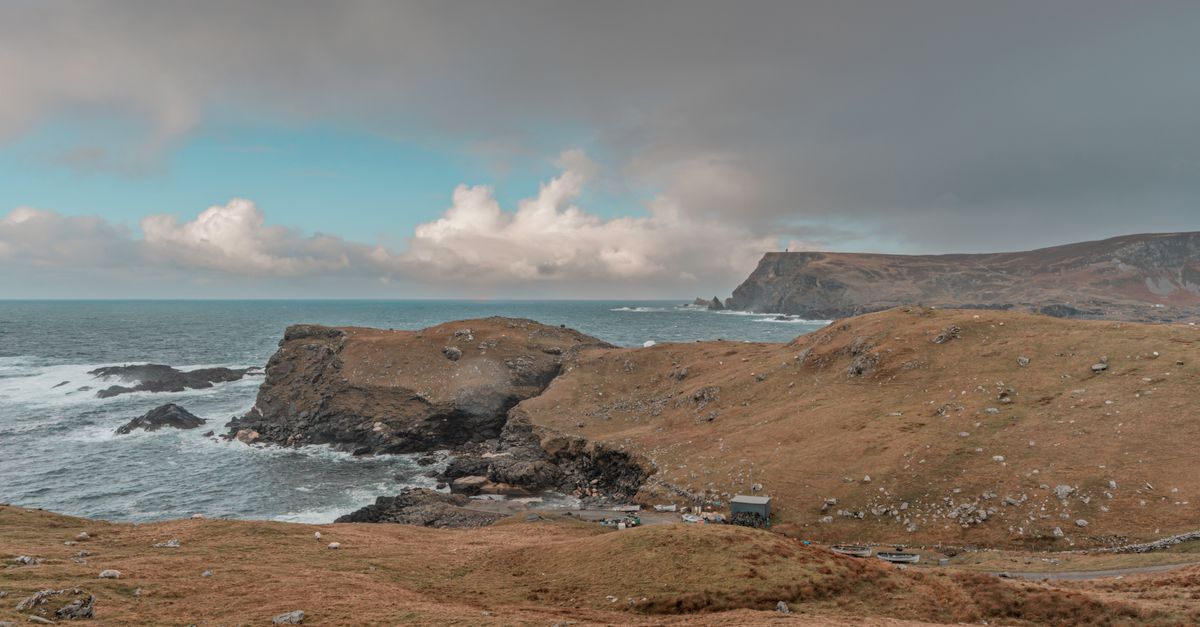
Most people experience Applecross as a road. The Bealach na Bà climbs from sea level to around 626m in a series of hairpins with gradients approaching 20%, and it is one of the most photographed drives in Britain. What that traffic mostly misses is that the peninsula behind it holds some of the emptiest and most dramatic corrie scenery in Scotland, almost none of which is visible from the car. This guide is based on desk research: the Scottish Outdoor Access Code, NatureScot and Highland Council guidance and Ordnance Survey mapping rather than first-hand testing. Below you will find where the good ground is, and how to camp here without adding to a real and growing pressure problem.
Quick Reference
| Area | Character | Notes |
|---|---|---|
| Coire nan Arr | Broad corrie under Beinn Bhàn | Accessible from the Bealach road |
| Beinn Bhàn eastern corries | Vast, cliff-ringed, empty | The reason to come |
| Applecross Bay / Sand | Coastal, sheltered, close to the village | Busy; croft land |
| The inland moor | Trackless, wet, entirely empty | Real solitude |
The Legal Position
The Land Reform (Scotland) Act 2003 makes responsible wild camping a statutory right, and Applecross has no camping byelaws — those apply only to seasonal zones in Loch Lomond and The Trossachs National Park.
Responsible under the Scottish Outdoor Access Code means lightweight, small-scale, short-duration: a small tent, a night or two, carried in on foot, well away from buildings and roads.
That last clause carries unusual weight here. The access right has never covered motorised camping — it applies to people arriving on foot, by bike or by boat. Campervans and cars are governed by ordinary parking and traffic law. Almost every complaint about “wild camping” on this peninsula is in fact about vehicles parked overnight in passing places, and the distinction matters if you want the actual right to survive.
Applecross is also A’ Chomraich — “the sanctuary” — a name going back to the monastery founded here in the seventh century, whose grounds held a right of refuge. It is a small, working crofting community at the end of a very hard road.
Where to Camp
Coire nan Arr. The broad corrie the Bealach road passes through on its way up. There is a lochan, running water and flat ground, and it puts you directly beneath Beinn Bhàn. The easiest genuinely good camp on the peninsula — but being close to the road it is also the one under most pressure, so walk in properly rather than pitching within sight of the tarmac.
Beinn Bhàn’s eastern corries. This is the real prize. Beinn Bhàn rises to around 896m and its eastern face is bitten into by a series of enormous cliff-ringed corries — Coire na Poite, Coire nan Fhamhair and their neighbours — that are among the most impressive in Scotland and almost never busy. Rough walking in, no paths worth the name, and superb.
Coire Attadale and the southern hills. Quieter still, with views south to the Cuillin across the Inner Sound.
Sand and the northern coast. Sheltered, beautiful, with beaches and a fine outlook to Skye and Raasay. Also close to the road and to croft land, so pitch well away and expect company in summer.
The inland moor. The interior of the peninsula is a trackless bowl of lochan and rough ground with essentially nobody in it. Hard going and genuinely remote for somewhere so close to a road.
The NC500 Problem
Applecross sits on the North Coast 500 and has absorbed a very large increase in visitors over a short period. The Bealach na Bà is a single-track road with passing places, blind hairpins and steep gradients, used daily by residents, delivery vehicles and the school run.
The practical consequences for anyone camping:
- Never park in or block a passing place. They are working infrastructure, not lay-bys.
- Get well away from the road before pitching. Twenty minutes of walking removes almost all the friction and gets you better ground anyway.
- Do not camp on the machair or the beach fringe near the village. It is croft land, it scars, and it is where the community lives.
- Take everything out. Waste disposal on the peninsula is limited and it is not the village’s job.
- No open fires. Peat burns underground and fire scars on thin coastal turf last for years.
Walk-in tent camping done properly is not the problem here and remains welcome. Roadside vehicle overnighting is the problem, and it is not covered by the access right.
Practical Notes
The Bealach is not always open. It is high, exposed and closes in snow and high wind. There is an alternative coast road north via Shieldaig and Applecross, which is longer, also single-track, and slower than it looks.
Ground is wet. Typical Wester Ross peat and lochan. Look for raised moraine and drier knolls rather than the flat green patches.
Facilities are minimal. The Applecross Inn and a small shop in the village; almost nothing else on the peninsula. Phone signal is patchy to absent inland.
Midges are severe from late May to September, worst in still, damp conditions at dawn and dusk and worst near the coast and standing water. Higher, breezier pitches in the corries are markedly better. Ticks are abundant in bracken and long grass.
Deer stalking runs roughly July to late October for stags. The access right continues but the Code asks you to take reasonable account of it.
FAQ
Can you wild camp at Applecross? Yes, on foot. Scotland’s Land Reform Act 2003 makes responsible wild camping a statutory right, and Applecross has no camping byelaws. What the right does not cover is sleeping in a vehicle — campervans and cars fall under ordinary parking law, and that, rather than tents, is the source of nearly all the local friction.
Where is the best wild camping in Applecross? Coire nan Arr, the corrie the Bealach na Bà passes through, is the most accessible good ground — walk in from the road rather than pitching beside it. For something far better and almost empty, head into Beinn Bhàn’s eastern corries, a series of huge cliff-ringed bowls with no real paths and very few people.
How steep is the Bealach na Bà? It climbs from sea level to roughly 626m with hairpin bends and gradients approaching 20%, which makes it one of the steepest and most demanding public roads in Britain. It is single-track with passing places, and it closes in snow and high winds — the longer coast road via Shieldaig is the alternative.
Is Applecross too busy to camp? The road corridor and the village are busy in summer thanks to the NC500, but the peninsula’s interior and the eastern corries are almost empty. The answer is simply to walk in — twenty minutes off the tarmac takes you away from the pressure, off croft land, and onto better ground.