The Best Camping Water Filter in the UK (2026): A Complete Buying Guide
Clean drinking water is the single most important logistical concern on any wild camping trip.
The Best Camping Water Filter in the UK (2026): A Complete Buying Guide
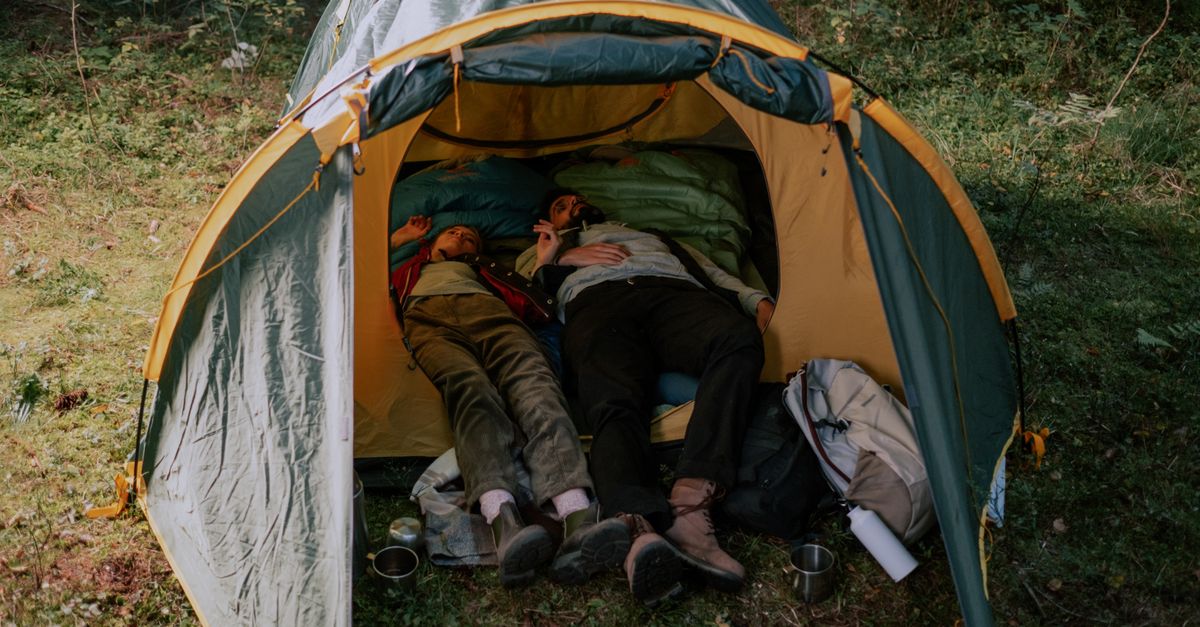
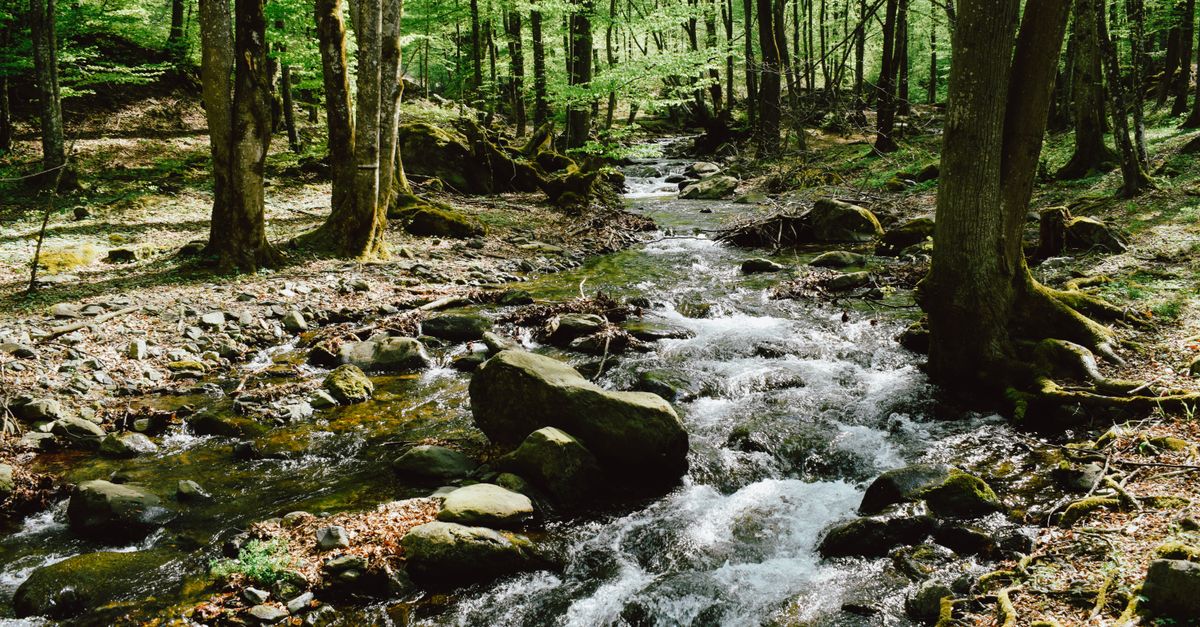
Clean drinking water is the single most important logistical concern on any wild camping trip. Whether you’re traversing the Cairngorms, wild camping in the Lake District, or walking the West Highland Way, the ability to turn any stream, loch, or river into a safe drinking source saves you from carrying heavy loads of bottled water and grants you genuine freedom on the trail. Finding the best camping water filter in the UK means navigating a specific set of local contaminants, from upland peat sediment to agricultural chemical run-off, and choosing a system that matches your group size and walking style.
This guide breaks down the top filters available in 2026, comparing manufacturer specifications, owner-review consensus, and independent field-test data to help you choose the right system for your next trip.
Quick Picks: Top Camping Water Filters at a Glance
If you need a rapid recommendation, here is a summary of the top models covered in this guide, along with their typical UK prices:
| Product | Best For | Typical UK Price |
|---|---|---|
| LifeStraw Peak Squeeze (650 ml) | Solo backpackers wanting a light, fast personal filter | Around £25–£35 |
| Sawyer Squeeze | Budget-conscious walkers wanting a lifetime filter | Around £35–£45 |
| Platypus GravityWorks 4L | Groups of 2–4 needing hands-free filtration | Around £90–£110 |
| Katadyn BeFree Gravity 6L | Base camps needing high-volume, fast gravity filtration | Around £70–£90 |
| Katadyn Hiker Pro | Walkers frequently dealing with silty upland water | Around £70–£90 |
| LifeStraw Go bottle | Day hikers wanting an all-in-one drinking solution | Around £35–£50 |
| MSR TrailBase 4L | Campers wanting dual-stage biological and chemical filtration | Around £100–£120 |
Understanding UK Water Contaminants: The Biological vs Chemical Gap
Choosing a water filter requires understanding exactly what it can and cannot remove. The sharpest angle overlooked by many buyers is the gap between biological and chemical filtration. UK agricultural land means that a standard hollow-fibre filter alone is often insufficient near farmland.
Hollow-fibre membranes with a 0.1- or 0.2-micron pore size are excellent at removing biological threats. They physically block Cryptosporidium, Giardia, and bacteria, providing safe drinking water from sources contaminated by animal faeces. However, they do absolutely nothing to agricultural chemical run-off such as nitrates, phosphates, and pesticides. If you are filtering water from a stream running through intensive farmland, a hollow-fibre membrane will not make it chemically safe.
To address this, you need a multi-stage approach. Carbon or activated-charcoal stages (such as the carbon capsule found in the LifeStraw Peak Series) partially address chemical taste and odour, improving the palatability of the water. However, for the only reliable chemical-purification backup, chlorine dioxide tablets (such as Katadyn Micropur or Aquatabs) are mandatory. A carbon stage combined with chlorine dioxide tablets creates a complete system capable of handling both biological and chemical threats.
UK campers also face specific biological and sediment threats. Upland peat sediment can clog filters rapidly, while Forestry Commission run-off introduces debris and organic matter into water sources. In the summer months, blue-green algae (cyanobacteria) is common in lowland UK lakes and lochs. It is critical to note that no filter makes cyanotoxin-contaminated water safe. If you encounter a blue-green algae bloom, you must find an alternative water source entirely.
Critical Warning: Freezing Conditions and Hollow-Fibre Membranes
For winter campers in the Cairngorms, Snowdonia, or the Lake District, understanding how cold affects your filter is a matter of safety. Hollow-fibre membranes crack if frozen. This causes permanent, invisible damage to the internal structure. There is no performance warning—the filter will not look broken, but it will simply fail to remove biological contaminants, leaving you unprotected.
In sub-zero conditions, you must store your filter inside your sleeping bag overnight to prevent the residual water inside the membrane from freezing. Furthermore, chemical tablets (such as the chlorine dioxide tablets mentioned above) are a mandatory backup in sub-zero conditions, as they cannot be damaged by freezing and provide a fail-safe if your membrane filter has been compromised by the cold.
How to Choose a Camping Water Filter
When comparing models, consider these key factors:
Filtration Rating (Pore Size): The micron rating determines what is physically blocked. A 0.1-micron filter (like the Sawyer Squeeze) catches slightly smaller particles than a 0.2-micron filter, though both effectively block bacteria and protozoa.
Flow Rate and Mechanism: Personal filters rely on squeezing or sucking, which takes effort. Pump filters like the Katadyn Hiker Pro offer around 1 L/min, while gravity systems like the Platypus GravityWorks offer manufacturer-stated flow rates of approximately 1.75 L/min without any physical exertion.
Capacity and Group Size: A 650 ml squeeze bottle suits a solo walker, but a 4-litre or 6-litre gravity system is vastly more efficient for a group base camp where multiple people need water for cooking and hydration.
Maintenance: Filters clog over time, especially in silty conditions. Some require backflushing with a syringe to maintain flow rate, while others have replaceable cartridges. Always check the manufacturer’s lifespan claims and whether replacement parts are readily available.
Where to Buy Camping Water Filters in the UK
While general outdoor retailers like Go Outdoors and Halfords stock basic models, serious wild campers typically source their gear from specialist retailers. Trekitt, Webtogs, and Ultralight Outdoor Gear consistently offer better specialist stock and a wider range of niche filtration systems.
It is worth noting the community consensus on r/UKCamping regarding importing from US Amazon. Many users accept the risk of importing budget buys because EU and US specifications are identical on most Sawyer and LifeStraw units. However, while importing is cheaper, it voids the UK distributor warranty. If you need after-sales support, buying from a UK retailer is the safer choice.
LifeStraw Peak Squeeze (650 ml)
Best for: Solo backpackers and fastpackers who need a light, personal filtration system.
Key specs: 0.2-micron hollow-fibre membrane. Removes 99.999999% of bacteria, 99.999% of protozoa, and 99.999% of microplastics per manufacturer specifications. 650 ml capacity.
What you get: The LifeStraw Peak Squeeze system includes the 650 ml bottle and the integrated hollow-fibre filter. It is typically found at Amazon UK or Trekitt for around £25–£35. Note that the £45–£60 bracket is the 1-litre Peak Series or the LifeStraw Go bottle—do not conflate these larger, more expensive models with the 650 ml squeeze.
Standout strength: Based on OutdoorGearLab’s ongoing independent field-test programme, the Peak Squeeze is highly regarded for its fast flow rate and excellent durability relative to its weight. The 0.2-micron membrane handles all standard UK biological threats effectively.
Caveat: As a squeeze system, it requires manual effort, and flow rate will degrade over time if not cleaned properly, particularly after filtering silty upland peat water.
Verdict: The best all-round personal filter for the solo UK walker.
Where to buy: Amazon UK, Trekitt.
Sawyer Squeeze
Best for: Budget-conscious campers and thru-hikers who want a filter that lasts indefinitely.
Key specs: 0.1-micron hollow-fibre membrane. Manufacturer lifetime claim with no replacement cartridge needed. Typically around £35–£45 in the UK.
What you get: The Sawyer Squeeze filter unit, a cleaning plunger (syringe) for backflushing, and a set of reusable pouches. The included syringe is essential for maintaining the flow rate by forcing clean water backwards through the membrane to clear trapped debris.
Standout strength: The manufacturer’s lifetime claim sets it apart. There is no replacement cartridge to buy, making it highly economical over the long term. The 0.1-micron pore size is marginally finer than the LifeStraw’s 0.2-micron rating, offering an extra layer of physical filtration.
Caveat: The pouches included by Sawyer are notoriously prone to splitting at the seams over time—a frequent complaint in owner reviews. Many users replace them with aftermarket Evernew or CNOC pouches.
Verdict: A proven, durable workhorse that offers the best long-term value for frequent users.
Where to buy: Amazon UK, specialist outdoor retailers.
Platypus GravityWorks 4L
Best for: Groups of 2–4 people or base camps where hands-free filtration is preferred.
Key specs: Gravity system featuring a 4-litre dirty water bag and a 4-litre clean water bag. Manufacturer-stated flow rate of approximately 1.75 L/min. Typically around £90–£110 in the UK.
What you get: The system includes the 4-litre dirty reservoir, the 4-litre clean reservoir, the hollow-fibre filter cartridge, and the connecting tubing. You fill the dirty bag from a stream, hang it from a branch, and let gravity pull the water through the filter into the clean bag.
Standout strength: The hands-free operation is transformative for group camping. At approximately 1.75 L/min, you can filter a full 4 litres of water in just over two minutes without pumping or squeezing. It allows one person to set up the system and move on to other camp tasks while the water filters itself.
Caveat: It is significantly heavier and bulkier than personal squeeze systems, making it overkill for solo backpackers where weight is a primary concern.
Verdict: The definitive group water filtration system for UK base camps.
Where to buy: Trekitt, Webtogs, Ultralight Outdoor Gear, Amazon UK.
MSR TrailBase 4L
Best for: Campers who want a gravity system with built-in chemical and taste reduction.
Key specs: Gravity system with a 4-litre capacity. Features a dual-stage filtration system: a hollow-fibre membrane paired with a carbon stage. Typically around £100–£120 in the UK.
What you get: The MSR TrailBase 4L includes the reservoir system, the hollow-fibre filter, and an integrated carbon stage. This dual-stage approach directly addresses the biological vs chemical filtration gap discussed earlier.
Standout strength: The hollow-fibre and carbon dual-stage design means it tackles both biological pathogens and chemical tastes/odours in a single pass. This makes it particularly useful in areas where agricultural run-off affects the taste of the water, even if it does not fully remove all chemical contaminants.
Caveat: The carbon stage requires periodic replacement, adding a small ongoing maintenance cost and effort that a purely mechanical filter like the Sawyer Squeeze avoids.
Verdict: A premium gravity alternative for campers prioritising water taste alongside biological safety.
Where to buy: Specialist outdoor retailers like Trekitt and Webtogs.
Katadyn BeFree Gravity 6L
Best for: Large groups or extended base camps needing maximum water volume.
Key specs: 6-litre gravity system. 0.1-micron hollow-fibre membrane. Typically around £70–£90 in the UK.
What you get: The system includes a 6-litre dirty water reservoir, the 0.1-micron BeFree filter, and the drinking/shut-off valve. The larger 6-litre capacity provides a substantial volume of clean water for cooking and hydration without needing to constantly refill the dirty bag.
Standout strength: The high 6-litre capacity combined with a competitive price point makes it an excellent high-volume option. The 0.1-micron filter provides robust biological protection, and the free-flowing gravity design requires zero effort to operate.
Caveat: The BeFree filter line is known in owner reviews for a slightly shorter lifespan than the Sawyer Squeeze if not cared for meticulously, particularly when exposed to heavy sediment.
Verdict: The best high-capacity gravity system for group base camps on a moderate budget.
Where to buy: Amazon UK, Ultralight Outdoor Gear, Webtogs.
Katadyn Hiker Pro
Best for: Walkers and campers who frequently encounter silty, debris-heavy UK upland water.
Key specs: Pump filter with a 0.2-micron cartridge and an integrated activated carbon stage. Manufacturer-stated pump rate of approximately 1 L/min. Typically around £70–£90 in the UK.
What you get: The Katadyn Hiker Pro includes the pump body, the 0.2-micron filter cartridge, the activated carbon stage, a pre-filter to screen out large debris, and connection hoses. The pump action physically pushes water through the membrane and carbon.
Standout strength: The combination of a pre-filter, a 0.2-micron membrane, and an activated carbon stage makes it uniquely suited to silty UK upland water. The pre-filter catches peat sediment and forestry run-off before it hits the main membrane, preventing immediate clogs, while the carbon stage strips out the earthy taste common in moorland water.
Caveat: Pumping is physically demanding compared to a gravity system. At approximately 1 L/min, filling large containers for a group requires sustained effort.
Verdict: The ideal choice for solo walkers prioritising taste and reliability in heavily sedimented water.
Where to buy: Trekitt, Amazon UK, Webtogs.
LifeStraw Go Bottle
Best for: Day hikers and casual campers who want an all-in-one drinking solution.
Key specs: Integrated bottle filter featuring a 0.2-micron hollow-fibre membrane and a carbon stage. Typically around £35–£50 in the UK.
What you get: The LifeStraw Go is a complete water bottle with a built-in filter straw. You fill the bottle from a stream and drink directly through the mouthpiece, which houses the 0.2-micron membrane and the carbon capsule.
Standout strength: The all-in-one design eliminates the need for separate pouches or gravity bags. The integrated carbon stage improves taste, making it a convenient grab-and-go option for day hikes where you might top up from a Lake District stream.
Caveat: As a direct-drink system, it is less practical for filtering large volumes of water for cooking or for supplying a group, limiting its utility for serious multi-day wild camping.
Verdict: A convenient, fuss-free filter bottle for day walks and light overnight trips.
Where to buy: Amazon UK, Go Outdoors, Halfords.
Frequently Asked Questions
Can a camping water filter remove agricultural chemicals from UK water sources?
No, standard hollow-fibre camping filters cannot remove agricultural chemical run-off such as nitrates, phosphates, and pesticides. They are designed to physically block biological threats like bacteria and protozoa. To address chemical contaminants, you need a carbon/activated-charcoal stage to partially reduce taste and odour, and chlorine dioxide tablets (like Katadyn Micropur or Aquatabs) as a reliable chemical-purification backup.
What should I do if I encounter blue-green algae in a UK lake or loch?
You must find an alternative water source. Blue-green algae (cyanobacteria) is common in lowland UK lakes and lochs during the summer months. No camping water filter can make cyanotoxin-contaminated water safe to drink. If you suspect a bloom, do not filter or drink the water, as the toxins pass straight through standard filtration membranes.
Will my water filter break if it freezes?
Yes, hollow-fibre membranes crack if frozen, causing permanent, invisible damage. There is no performance warning; the filter will simply fail to remove contaminants. If you are winter camping in the Cairngorms, Snowdonia, or the Lake District, you must store your filter inside your sleeping bag overnight to prevent freezing, and carry chemical tablets as a mandatory backup in sub-zero conditions.
Where should I buy a camping water filter in the UK?
While general retailers like Go Outdoors and Halfords stock basic models, serious wild campers typically source filters from specialist retailers like Trekitt, Webtogs, and Ultralight Outdoor Gear for better stock and expertise. Importing from US Amazon is cheaper and community consensus on r/UKCamping accepts the risk for budget buys, as EU/US specs are identical on most Sawyer and LifeStraw units, but be aware this voids your UK distributor warranty.
Is a gravity filter better than a squeeze filter?
It depends on your group size and walking style. Gravity filters, like the Platypus GravityWorks 4L, are ideal for groups or base camps because they filter large volumes of water hands-free (at approximately 1.75 L/min) while you set up camp. Squeeze filters, like the LifeStraw Peak Squeeze, are much lighter and more compact, making them far better for solo backpackers who need to minimise weight and only filter water as they need it.
How do I maintain flow rate on a hollow-fibre filter?
Flow rate degrades as debris and sediment build up inside the membrane. For filters like the Sawyer Squeeze, you must backflush the unit regularly using the included syringe to force clean water backwards through the pores and clear the blockage. For systems like the Katadyn Hiker Pro, a pre-filter catches larger debris before it reaches the main cartridge, but the cartridge and carbon stage will eventually need replacing to maintain optimal performance.