The Best Camping Gazebos in the UK for 2026: Air vs Poled, Compared
Ask any seasoned UK camper and they will tell you the same thing: the weather can turn in the time it takes to light a stove.
The Best Camping Gazebos in the UK for 2026: Air vs Poled, Compared
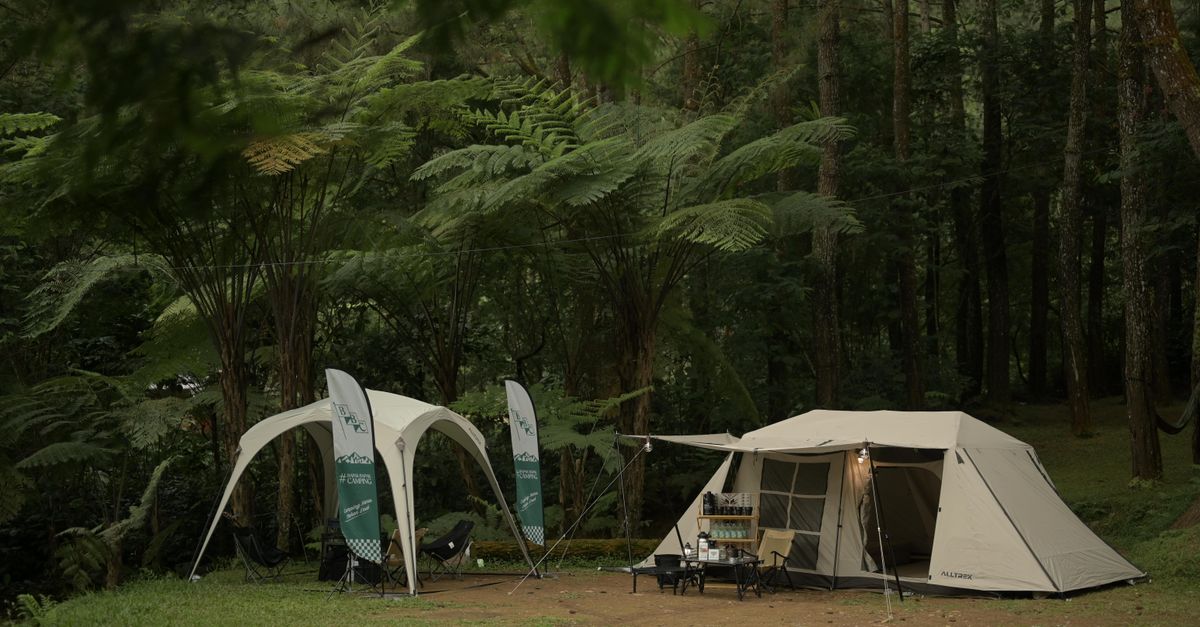
Ask any seasoned UK camper and they will tell you the same thing: the weather can turn in the time it takes to light a stove. A camping gazebo gives you a dry, shaded outdoor room for cooking, eating and escaping the midday sun — and in 2026, the choice has never been wider. From inflatable air-frame gazebos that pitch in minutes to budget poled canopies that cost less than a tank of fuel, there is a shelter for every trip and budget.
This guide is research-based. Every specification, price and recommendation below is drawn from manufacturer data, major UK retailer listings and aggregated owner-review consensus. All prices are approximate, hedged figures current to 2026 — treat them as a planning guide rather than a fixed quote.
Quick Picks
| Position | Product | Best For | Approximate Price |
|---|---|---|---|
| Best all-round air gazebo | Outdoor Revolution Cayman Air 420 | Exposed sites, family living | Around £400–£450 |
| Best wind resistance | Kampa Dometic Ace Air Pro 400 | Coastal and gusty conditions | Around £380–£430 |
| Best value air gazebo | Vango Capri Air 400 | Inflatable comfort on a budget | Around £350–£400 |
| Best festival / budget poled | Vango Kela V 400 | Festivals, garden use, short trips | Around £150–£180 |
| Best pop-up speed | Coleman Instant Up Canopy 3×3 | Quick day-trip shelter | Around £100–£130 |
| Cheapest entry point | Decathlon Quechua Base Seconds Fresh | Light, simple, occasional use | Around £70–£90 |
How to Choose the Right Camping Gazebo
Hydrostatic Head: The Most Important Number
Hydrostatic Head (HH), measured in millimetres, indicates how water-resistant a fabric is before moisture begins to penetrate under pressure. The higher the figure, the longer the gazebo can sustain rainfall before leaking. For summer UK use — meaning typical showery weather in sheltered inland campsites — the minimum standard to look for is 2,000mm HH. Anything below that will cope with a light drizzle but will eventually wet through in persistent rain. For the Lake District, the Scottish Highlands or coastal exposure, where wind-driven rain hits the fabric at force and storms can last hours rather than minutes, 3,000mm HH or above is strongly recommended.
The sharpest distinction in this category is not simply air-frame versus poled — it is fabric weight and HH together. A heavy-duty 600D (denier) polyester with a 4,000mm HH coating will outlast a 150D fabric with the same frame type by years, because the thicker material resists abrasion, UV degradation and seam stress. Denier refers to the weight and thickness of the fabric’s individual yarn threads: a 600D fabric is substantially more robust than a 70D or 150D equivalent, which matters when a gazebo is pitched repeatedly across multiple seasons.
Air Beams vs Steel Poles vs Fibreglass
Inflatable air-frame gazebos use pressurised PVC beams inflated by a hand or foot pump instead of rigid poles. The structure flexes in wind rather than resisting it rigidly, which is why owner consensus on Reddit’s r/uktravel and the UKCampsite.co.uk forums consistently reports air-beam gazebos surviving 30–40mph gusts that collapse steel-poled equivalents. The trade-offs are a higher purchase price and a marginally higher packed weight, along with the small but real risk of a puncture — though repair kits are typically included and the beams are surprisingly tough.
Steel-poled gazebos are cheaper, mechanically simpler and dominate the festival market. Steel is heavier than fibreglass, which makes it more stable in moderate gusts, but a rigid steel frame has no give in strong wind — it either holds or it bends. Fibreglass poles are the lightest and cheapest option, found on budget canopies, but they can splinter under heavy wind load. For occasional fair-weather use, poled frames are perfectly adequate; for exposed or changeable UK conditions, the flexibility of air beams is a genuine safety advantage.
Weighting: The Safety Gap Most Guides Omit
An unweighted 4m gazebo becomes a projectile above approximately 25mph wind speed. This is not a theoretical risk — it is the single most common cause of gazebo damage on campsites. Manufacturer weighting guidelines vary, but Coleman, for example, specifies a minimum of 11kg per leg via sandbags or weight bags when the gazebo is erected on hardstanding. Check individual model manuals for the exact figure, as requirements differ by frame type and canopy size.
On grass, the standard steel skewer pegs supplied with most gazebos are inadequate — they pull straight out of soft or wet ground under wind load. MSA (Motor Sports Association) and Camping & Caravanning Club guidance recommends 30cm screw pegs or rock pegs, which grip the soil mechanically rather than relying on friction alone. Screw pegs thread into the ground like a corkscrew; rock pegs are thick, hardened-steel spikes designed to be hammered into stony or hard ground where thin pegs would bend.
Cooking Safety Under Polyester
No gazebo in this class is fire-rated. The fabrics used — PU-coated polyester across all models covered here — will melt or ignite when exposed to direct flame or extreme radiant heat. Never use gas or petrol stoves directly beneath PU-coated polyester. If cooking under shelter is a priority, polycotton fabrics (used by brands such as Robens and Nordisk) are the safer alternative because the cotton blend chars rather than melts, but polycotton gazebos are rare and expensive in this format. The practical solution is to cook at the edge of the gazebo with the stove positioned outside the canopy’s drip line, or to use a dedicated screened cooking shelter.
Sides: Open, Half or Full
Open-sided canopies are the lightest and give the best airflow on still, hot days, but they offer zero protection from horizontal rain. Half sides block the worst of the weather while preserving a view. Full sides turn the gazebo into a proper outdoor room with windproofing, privacy and a changing space, at the cost of extra weight and more sail area in gusts. For year-round UK conditions, a model with sides — or one that accepts clip-in side panels — is strongly recommended.
Outdoor Revolution Cayman Air 420
Best for: Families and groups wanting a genuinely weatherproof all-round air-beam gazebo for exposed UK campsites.
The Cayman Air 420 offers an inflatable air-beam frame with a footprint of approximately 4m × 4.2m — enough space for a family dining table, chairs and a cooking area at the edge. The 4,000mm HH rating places it in the top tier for waterproofing in this guide, meaning it can sustain prolonged, heavy rainfall without wetting through. The fabric is 600D polyester, the heaviest fabric weight covered here, which means it resists abrasion, UV degradation and seam stress significantly better than the 150D or 70D fabrics found on cheaper models. Packed weight is approximately 18kg.
The standout strength is the combination of 600D fabric and 4,000mm HH — this is a gazebo built for multi-season use rather than fair-weather weekends. The air-beam frame provides the wind flexibility that owner consensus on UKCampsite.co.uk identifies as the key advantage over rigid poles in gusty conditions.
The honest caveat is weight: at around 18kg packed, this is not a shelter you carry far from the car. It is also one of the more expensive options in the category.
Where to buy: Typically stocked at Go Outdoors and Winfields, usually priced around £400–£450.
Verdict: The most complete all-round air-beam gazebo here — heavy-duty fabric, top-tier waterproofing and a proven frame design for exposed sites.
Vango Capri Air 400
Best for: Buyers who want inflatable convenience and strong waterproofing at a slightly lower price point than the Outdoor Revolution.
The Capri Air 400 uses Vango’s AirBeam technology — a pressurised beam system that replaces poles entirely and is inflated via a hand pump. The footprint is 4m × 4m, slightly smaller than the Cayman Air 420 but still generous for a family of four. The HH rating matches the Cayman at 4,000mm, meaning equivalent rain resistance. The fabric is 300D polyester — lighter than the Cayman’s 600D but still substantially more robust than the 150D found on budget steel models. Packed weight is approximately 16kg.
The standout strength is value within the air-beam category: you get 4,000mm HH and AirBeam technology at a price that typically undercuts the Cayman by around £50. The 300D fabric is a reasonable middle ground — durable enough for regular seasonal use, if not quite as abrasion-resistant as the heavier 600D alternative.
The honest caveat is that the 300D fabric, while serviceable, will show wear sooner than the 600D used on the Outdoor Revolution, particularly along seam lines and at high-friction contact points with the ground.
Where to buy: Available through major UK camping retailers, typically priced around £350–£400.
Verdict: A strong air-beam contender that matches the top tier on waterproofing while saving you money — provided you accept a lighter fabric weight.
Kampa Dometic Ace Air Pro 400
Best for: Campers pitching in coastal or high-wind locations where gust resistance is the single most critical factor.
The Ace Air Pro 400 features an inflatable air-beam frame with a 4,000mm HH rating, placing it alongside the Cayman and Capri at the top of the waterproofing range. Packed weight is approximately 17.5kg. The specific frame dimensions are not detailed in the spine, but it sits squarely in the 4m-class alongside its air-beam competitors.
The standout strength is wind performance. This model is frequently cited on UKCampsite.co.uk forums as having the best wind resistance among inflatable gazebos — a reputation built on the frame’s beam geometry and the way the canopy tensions under load. When Reddit’s r/uktravel and UKCampsite.co.uk contributors report air-beam gazebos surviving 30–40mph gusts that collapse steel-poled equivalents, the Ace Air Pro is one of the models most commonly named in those discussions.
The honest caveat is that it sits at a similar price point to the Vango Capri Air 400 without a meaningfully higher HH or heavier fabric — you are paying for frame engineering and wind performance rather than raw material specs.
Where to buy: Stocked by major UK camping retailers, typically around £380–£430.
Verdict: The wind-resistance specialist — choose it if your campsites are exposed, coastal or high-altitude, where gust survival matters more than anything else.
Vango Kela V 400
Best for: Festival-goers, casual campers and anyone who wants a large, functional gazebo without paying for air-beam technology.
The Kela V 400 uses a traditional steel-poled frame with a 4m × 4m footprint — the same floor area as the Vango Capri Air 400, but at roughly half the price. The HH rating is 3,000mm, which meets the threshold recommended for Lake District, Scottish Highlands and coastal exposure, though it sits below the 4,000mm of the air-beam models. The fabric is 150D polyester, which is lighter and less abrasion-resistant than the 300D or 600D options above but adequate for seasonal use. Packed weight is approximately 14kg — the lightest of the 4m-class gazebos in this guide.
The standout strength is dominance in the festival market. Steel frames are cheaper to replace if damaged, and the 3,000mm HH is genuinely respectable at this price point. The phrase “used in garden between trips” appears in the majority of 4-star-and-above Vango Kela reviews in the Go Outdoors verified buyer section, indicating that buyers find it versatile enough for home use as well as camping.
The honest caveat is that a rigid steel frame will not flex in strong gusts the way an air beam does — it will either hold or deform. In winds above approximately 25mph, this gazebo must be thoroughly weighted and pegged, or packed away entirely.
Where to buy: Typically available at Decathlon and Go Outdoors, priced around £150–£180.
Verdict: The best-value 4m gazebo for festivals, garden use and fair-weather camping — just respect its wind limits.
Coleman Instant Up Canopy 3×3
Best for: Day-trippers, beach visitors and anyone who values pitch speed above all else.
The Coleman Instant Up Canopy uses a steel frame with a pop-up mechanism — the pre-assembled scissor frame unfolds in seconds without needing to thread poles through sleeves. The footprint is 3m × 3m, smaller than the 4m-class models above, making it better suited to a couple or a small cooking area rather than a family dining space. The HH rating is 1,800mm, which means this is a summer and dry-use-only shelter — it will handle a brief shower but will wet through in sustained rain. The fabric is 150D polyester. Packed weight is approximately 9kg, making it the lightest steel-frame option here.
The standout strength is pitch speed. The pop-up mechanism genuinely delivers on its name — the frame deploys in a fraction of the time required to inflate air beams or assemble pole sections. At around 9kg, it is also light enough to carry from car to pitch without strain.
The honest caveat is weather resistance. The 1,800mm HH is the lowest in this guide, and owner consensus is blunt about the consequences: the Coleman Instant Up becomes unreliable at anything above Force 4 on the Beaufort scale (approximately 13–18mph sustained wind). The recurring complaint on UKCampsite.co.uk is clear — peg it down or pack it away when wind picks up. Coleman specifies a minimum of 11kg per leg via sandbags or weight bags on hardstanding, and that guidance should be treated as a floor, not a suggestion.
Where to buy: Stocked at Halfords and Amazon UK, typically priced around £100–£130.
Verdict: Fast, light and affordable for fair-weather day trips — but the 1,800mm HH and Force 4 wind limit mean this is not a shelter for changeable UK conditions.
Decathlon Quechua Base Seconds Fresh
Best for: Budget buyers who need occasional shelter for picnics, beach days or fair-weather camping at the lowest possible price.
The Quechua Base Seconds Fresh is a budget poled canopy with a 3m × 3m footprint. It uses a fibreglass pole frame — the lightest and cheapest frame type in this guide — and weighs approximately 7kg, the lowest packed weight of any model covered here. The HH rating is approximately 2,000mm, which meets the minimum threshold for summer UK use and, notably, exceeds the Coleman Instant Up’s 1,800mm rating at a lower price. The fabric is 70D polyester, the lightest in this guide, which means it is fine for occasional use but will degrade more quickly under repeated UV exposure and abrasion than heavier fabrics.
The standout strength is that the 2,000mm HH beats the Coleman’s 1,800mm at a lower price — making it the better budget choice if rain resistance matters more than pitch speed. The 7kg packed weight means it can genuinely be carried to a picnic spot or beach pitch without a second person.
The honest caveat is that 70D fabric is thin. It will serve well for occasional fair-weather use but is not built for repeated pitching across multiple seasons or for exposure to strong wind. The fibreglass poles are light but can splinter under heavy wind load — this is a shelter for calm conditions.
Where to buy: Available at Decathlon stores and online, typically priced around £70–£90.
Verdict: The cheapest entry point in the category — and, thanks to its 2,000mm HH, a better budget buy than the Coleman if you can accept slower pitch speed and thinner fabric.
UK-Specific Standards and Safety Notes
Wind, Weighting and Pegging
The most critical safety gap in gazebo camping is inadequate weighting. An unweighted 4m gazebo becomes a projectile above approximately 25mph, and the standard steel skewer pegs supplied with most models are insufficient on grass. MSA and Camping & Caravanning Club guidance recommends 30cm screw pegs or rock pegs, which mechanically grip the ground rather than relying on friction. On hardstanding — common at UK campsites and festivals — sandbags or weight bags are essential, with Coleman’s minimum of 11kg per leg serving as a useful benchmark even if you own a different brand. Always check your specific model’s manual for manufacturer guidance.
Cooking and Fire Safety
No polyester gazebo in this class is fire-rated. PU-coated polyester — the fabric used across every model in this guide — will melt or ignite when exposed to direct flame or extreme radiant heat. Never use gas or petrol stoves directly beneath the canopy. Polycotton fabrics (from brands such as Robens and Nordisk) are safer because the cotton blend chars rather than melts, but polycotton gazebos are rare and expensive in this format. The practical approach is to position stoves at the edge of the canopy, outside the drip line, or to use a dedicated screened cooking shelter.
Frequently Asked Questions
What Hydrostatic Head rating do I need for UK camping?
For summer use on sheltered inland campsites, the minimum is 2,000mm HH. For the Lake District, Scottish Highlands or coastal exposure where wind-driven rain hits the fabric at force, 3,000mm HH or above is strongly recommended. All three air-beam models in this guide offer 4,000mm HH, which provides the highest rain resistance available in the category.
Are inflatable air-beam gazebos worth the extra money?
If you camp on exposed sites or in changeable weather, yes. Owner consensus on UKCampsite.co.uk and Reddit’s r/uktravel consistently reports air-beam gazebos surviving 30–40mph gusts that collapse steel-poled equivalents. The flexible beams absorb wind load rather than resisting it rigidly. The trade-off is a higher purchase price — typically £350–£450 versus £150–£180 for a steel-poled equivalent — and a slightly higher packed weight.
How much weight do I need to hold down a camping gazebo?
Manufacturer guidelines vary, but Coleman specifies a minimum of 11kg per leg via sandbags or weight bags on hardstanding. For a 4m × 4m gazebo with four legs, that means at least 44kg of ballast total. On grass, 30cm screw pegs or rock pegs are required — the standard steel skewer pegs supplied with most gazebos are inadequate and will pull out under wind load. An unweighted 4m gazebo can become a projectile above approximately 25mph.
Can I cook under a camping gazebo?
Not directly beneath the canopy. No polyester gazebo in this class is fire-rated, and PU-coated polyester will melt or ignite when exposed to direct flame or radiant heat from a stove. Position gas or petrol stoves at the edge of the gazebo, outside the canopy’s drip line, or use a dedicated screened cooking shelter. Polycotton fabrics from brands such as Robens and Nordisk are safer but rare and expensive in gazebo format.
Which is the better budget buy: the Coleman Instant Up or the Decathlon Quechua?
It depends on your priority. The Decathlon Quechua Base Seconds Fresh offers a 2,000mm HH rating at approximately £70–£90, beating the Coleman’s 1,800mm HH at a lower price — making it the better choice if rain resistance matters. The Coleman Instant Up wins only on pitch speed, thanks to its pop-up steel mechanism, and is lighter at approximately 9kg versus the Quechua’s 7kg. However, the Coleman becomes unreliable above Force 4 winds, so neither is suitable for exposed or changeable UK conditions.
Can I use a camping gazebo in the garden between trips?
Yes — many buyers do exactly this. The phrase “used in garden between trips” appears in the majority of 4-star-and-above Vango Kela reviews on Go Outdoors’ verified buyer section, and garden use is a common theme across owner reviews for all models covered here. Just remember that even in the garden, the gazebo must be weighted and pegged according to manufacturer guidelines, and should be taken down if sustained winds are forecast to exceed approximately 25mph.