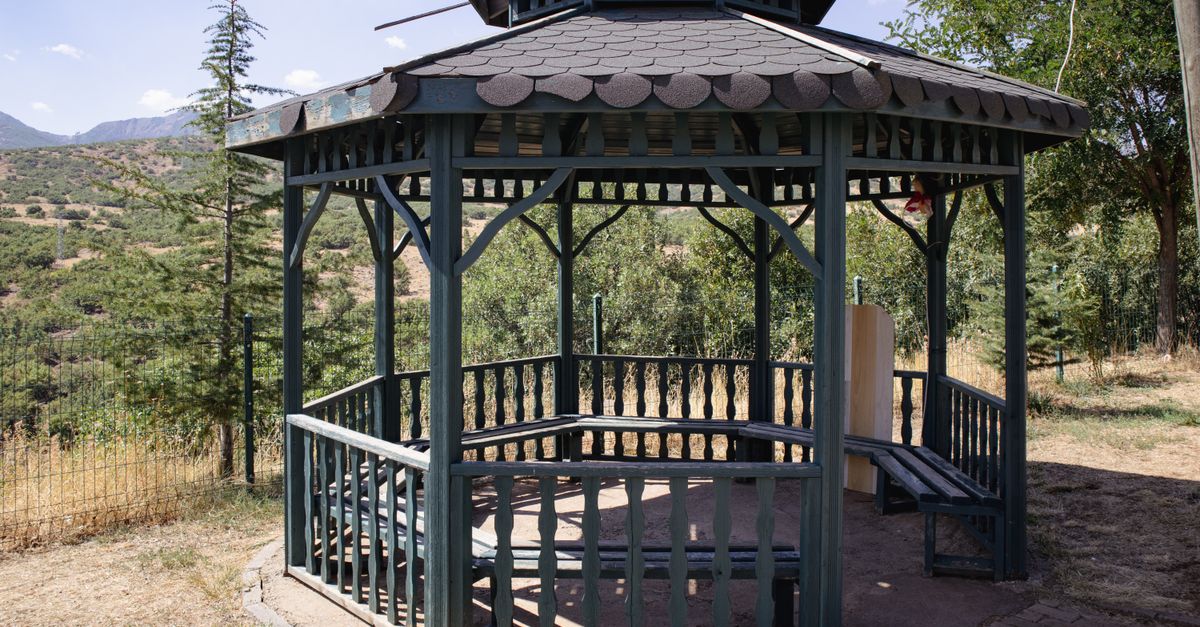
Best Camping Pods in the UK 2026: Timber, Glamping and Garden Pods Compared
A camping pod is one of the few purchases in the UK garden and tourism market where the difference between a good one and a poor one is almost invisible…

Best Camping Pods in the UK 2026: Timber, Glamping and Garden Pods Compared
A camping pod is one of the few purchases in the UK garden and tourism market where the difference between a good one and a poor one is almost invisible on the day you sign. Two pods quoted at similar money can hide completely different skeletons, cladding species and electrical certification behind the same cedar face — and it is those hidden decisions that determine whether you are still using the thing in fifteen years or patching it. This guide compares the leading camping pod options sold in the UK in 2026 for garden use and for commercial letting, sets out what each is built from according to published manufacturer specifications, gives hedged price expectations, and walks through the planning, licensing and hidden-cost questions that decide whether a pod turns out to be an asset or a liability.
Which side of this page are you on? (read this first)
The phrase “camping pods” splits the UK search results into two completely different markets. Pick your side before you read further, because nothing useful transfers between them.
- I want to book a night in a camping pod → You are a guest looking for somewhere to stay. The relevant names are booking platforms: Pitchup, Cool Camping, Canopy & Stars and Hoseasons.
- I want to buy or install a camping pod → You are a gardener, landowner, farmer or holiday-park operator. You are comparing manufacturers, specifications, planning rules and capital costs. This is the main body of the guide.
Quick Picks
| Pod | Best for | Standout spec | Typical price |
|---|---|---|---|
| Bridge Timber Garden Rooms Camping Pod | Best all-round build quality | Western Red Cedar cladding, double-glazed French doors, insulated for year-round use | around £12,000–£25,000 at the time of writing |
| Ekopod | Best design-led glamping | Curved, sculptural shell with bespoke interior layout | roughly £25,000–£70,000 at the time of writing |
| Podpads | Best for glamping businesses and event hire | Turnkey units plus festival and park hire | typically from a few hundred pounds per hire as of this year |
| Wigwam Holidays | Best-known name on the stay side | Largest UK pod operator and brand | booking rates vary by site, unit and season |
| Arctic Cabins (adjacent structure, not a camping pod) | Best for year-round garden use | Insulated cabin-pod hybrid with a cold-weather heritage | typically £10,000–£30,000 as of this year |
Affiliate disclosure: this page contains affiliate links. If you book a stay or submit an enquiry through one of them, we may earn a commission. It does not change what you pay, and it does not decide which manufacturers appear — inclusion is decided by whether a supplier publishes a full UK specification and price. Where a commercial or affiliate relationship exists with a named manufacturer, it is declared alongside that entry.
Price note: prices shown here were verified against manufacturer quote pages in 2026 and are quoted ex-VAT and ex-installation unless stated otherwise. Every figure is an approximation. Pod pricing depends on model, berth count and base specification, so treat all ranges as a starting point for a written quotation rather than a final number.
How to Choose a Camping Pod: The Specification Explained
Pod brochures are written to look alike. The differences that matter are structural, and they are all things you can ask a supplier to put in writing.
Structure and cladding
Cladding is where budgets are usually squeezed first, because it is the most visible component and the easiest to substitute without the customer noticing on delivery day.
Bridge Timber Garden Rooms publishes its build specification in unusual detail, which makes it a useful neutral benchmark for judging every other supplier — provided any commercial relationship is declared, as it is here. According to the manufacturer, the structural skeleton is precision-cut high-grade structural plywood, with structural tongue-and-groove panels used throughout the whole structure rather than just on the visible faces. That distinction matters: a pod whose structural skin exists only where you can see it behaves differently under load and settlement, and settlement is what shows up years later as doors that stick and joints that open.
The cladding species is the second decision. Western Red Cedar is chosen because its natural preservatives make it resistant to rot and decay without additional chemical treatment — a meaningful long-term maintenance saving that cheaper softwood-clad pods do not offer, since untreated or lightly treated softwoods need recoating on a much tighter cycle to stay watertight.
UK timber guidance sets durability out in classes under EN 350, and the classes buyers will see quoted are these: Western Red Cedar and larch generally sit in Class 2–3, classed as durable; thermowood is placed in Class 2; and pressure-treated pine is placed in Class 1 as a treated timber, meaning its durability is a function of the preservative treatment rather than the species — so its performance depends on the treatment being maintained. For service-life and maintenance-interval figures, TRADA and the Wood Protection Association are the two bodies worth reading before you specify.
Location changes the arithmetic. Met Office records put Honister Pass in Cumbria at around 3,500 mm of rain per year, against roughly 1,500 mm at Eskdalemuir. That is more than twice the rainfall for a pod on the western fells compared with one in the Scottish Borders, so cladding choice and re-coating intervals are a site-specific decision rather than a national one.
Glazing, doors and outdoor space
Bridge fits double-glazed windows and glazed wooden French doors, with custom paint colour options, and offers optional hardwood decking extending from the front of the pod. Two things to take from that list. First, glazing is where heat leaves and condensation forms, so single-glazed joinery quietly converts an all-year pod into a summer one. Second, French doors are the largest opening in the structure, which makes the frame quality the single biggest influence on how the pod ages. Decking is not decoration either: it extends usable floor area, keeps boots and mud outside the door, and protects the threshold from the splashback that rots the base of cheaper builds.
Electrical specification
Internally, the Bridge specification lists LED downlighters throughout and two double sockets, with the company noting that all electrical points are fitted by professionals and checked for safety and UK legislative compliance. On a pod sited away from a house, the electrics are usually an entirely new circuit, so the paperwork matters as much as the fittings: installation work is governed by BS 7671 (18th Edition), domestic electrical work is subject to Part P notification, and an EICR (Electrical Installation Condition Report) on completion is your evidence that the circuit was tested rather than merely wired. Ask for those certificates with the quotation. A quote that leaves them out is not cheaper — it has simply moved the compliance cost to you.
Insulation and year-round use
The Bridge specification states insulation for all-year-round use, not summer glamping only. This is the line that decides what the pod is worth to you. A summer-only pod is a seasonal asset; an insulated, double-glazed pod can be used, let or worked in through the winter. If a supplier will not put its insulation specification in writing, assume summer use.
Base and siting
Every pod needs a base, and the base is rarely in the quote. The three common options — a concrete raft, screw piles or ground screws — are ground-condition dependent, which is why no responsible manufacturer prices them blind. Ask what your ground conditions require before you compare quotations, because a quote that excludes the base is not comparable with one that includes it.
Anchoring a price to something real
A pod price means nothing until it is anchored to a named model, a berth count and a base specification, and until you know whether it is inc-VAT or ex-VAT and ex-installation or installed. As a standing rule, ask every supplier for those six facts in writing before you read the number.
The Main Options Compared
Bridge Timber Garden Rooms Camping Pod — best all-round build quality
Best for: buyers who want a published specification detailed enough to hold every other supplier to.
What the manufacturer specifies: Western Red Cedar cladding; precision-cut high-grade structural plywood skeleton; structural tongue-and-groove panels used throughout the whole structure; double-glazed windows and glazed wooden French doors; custom paint colour options; optional hardwood decking extending from the front of the pod; LED downlighters throughout; two double sockets; professional installation of all electrical points with checks for safety and UK legislative compliance; insulation specified for all-year-round use.
Standout strength: the level of published detail. It gives you a checklist you can carry to every other quotation — if a competitor cannot answer each line on it, that is your answer.
Honest caveat: the price band is wide, because the specification is configurable, and the entry point does not buy the top of the range. Establish the VAT and installation position before comparing it with anyone else’s headline figure.
Typical price: around £12,000–£25,000 at the time of writing.
Verdict: the benchmark build. Judge everything else against this list.
Where to buy: sold direct — enquire through the manufacturer’s quotation page, and ask for the specification in writing.
Ekopod — best design-led glamping
Best for: operators and landowners who need the pod itself to be the reason people book.
What the manufacturer specifies: a curved shell with a bespoke interior layout. Ekopod anchors its own quotations to a named model, berth count and base specification, and quotes ex-VAT and ex-installation — so its figures are transparent, provided you compare like with like.
Standout strength: the sculptural curved form. On a glamping site where the photography does the marketing, a pod that looks unlike a shed is a commercial asset rather than a cost.
Honest caveat: this is the widest price band on the page, and bespoke interiors are exactly the sort of specification that moves you from one end of it to the other. Never compare an Ekopod quote to a stock pod quote without checking model, berth count and base spec match.
Typical price: roughly £25,000–£70,000 at the time of writing.
Verdict: the design-led choice when the pod is the product.
Where to buy: direct from the manufacturer’s quote page.
Wigwam Holidays — the operator benchmark
Best for: anyone who wants to understand what UK guests already expect a camping pod to be.
Why it belongs here: Wigwam Holidays is the largest UK pod operator and brand. Leaving it out of a UK camping pod guide would be a conspicuous omission, because it is the name most people meet first on the stay side of the market.
Standout strength: scale and recognition. It sets the baseline of the pod experience in this country, which is genuinely useful context if you are building something to compete with or complement it.
Honest caveat: it is an operator brand rather than a manufacturer selling pods on a published specification sheet in the manner of a Bridge or an Ekopod, so it does not sit neatly beside the capex options above.
Typical price: booking rates vary by site, unit and season — this is a stay-side cost, not a purchase price.
Verdict: indispensable context, not a like-for-like purchase comparison.
Where to book: through the mainstream booking platforms — Pitchup, Cool Camping, Canopy & Stars and Hoseasons.
Podpads — hire rather than buy
Best for: glamping businesses and event organisers who want to test demand before committing capital.
What the model is: Podpads runs on a hire and operating-cost basis rather than a capital purchase — turnkey units plus festival and park hire. Rates come from Podpads’ published rate card, quoted per unit and per engagement, so they are not comparable to a purchase price in any meaningful way.
Standout strength: you can trade a season, learn your occupancy pattern and your guest mix, and then decide whether to spend capital at all. That is a genuinely low-risk way to enter the market.
Honest caveat: hire is opex, not capex — you never own the asset, and a strong season of hire fees does not build equity. Run the numbers against a purchase before you commit to a multi-year hire.
Typical price: typically from a few hundred pounds per hire as of this year, depending on unit and duration.
Verdict: the sensible first step if you have not yet proved there is demand.
Where to hire: direct from Podpads’ published rate card.
Arctic Cabins — an adjacent structure, not a camping pod
Best for: year-round garden use as a cabin-pod hybrid.
Why it sits apart: Arctic Cabins’ core product is a BBQ cabin / barrel grillkota, which is not a camping pod. It is a genuinely useful garden building with a cold-weather heritage and an insulated specification, but it belongs in the adjacent-structures category rather than in a like-for-like pod comparison — the use case, the interior and the way you would specify it are all different.
Honest caveat: if what you actually want is a lettable glamping unit, a BBQ cabin will not do that job, however good it is at what it does.
Typical price: typically £10,000–£30,000 as of this year.
Verdict: a strong garden building that should not be priced against glamping pods.
Where to buy: direct from the manufacturer.
Other Manufacturers Shortlisted Against Our Inclusion Criterion
Nine further names come up repeatedly in UK buyer research: Longcroft, Pinewood Pods, KOTO, Caban, Nordic Pods, Pod Space, Green Retreats, Hideaway Pods and My Escape. We have deliberately not ranked them, because our inclusion criterion is evidence rather than reputation: to appear in the comparison above, a manufacturer has to publish a full UK specification and a price.
That single test does a lot of filtering. Ask each of these suppliers for the same three documents:
- The full UK specification sheet — structure, cladding species, glazing, insulation, electrical fittings and berth count.
- A written quotation stating model, berth count and base specification, and stating clearly whether it is inc-VAT or ex-VAT and whether installation and delivery are included.
- The electrical certificates that will be issued on completion.
A supplier that cannot produce all three is not a comparable option, whatever the showroom looks like.
Booking a Camping Pod: The Stay Side
If you are looking for a night in a pod rather than a pod to buy, the four names that dominate the booking side of the UK market are Pitchup, Cool Camping, Canopy & Stars and Hoseasons. These are the platforms where pod stays are listed, and they are the correct starting point for a holiday booking.
Two practical notes. First, the affiliate disclosure above applies to booking links as well as manufacturer links. Second, none of the buying advice on this page — cladding classes, EICR certificates, ground screws — applies to a stay booking. The two halves of the market share a search term and nothing else.
Planning, Licensing and Regulation
This is the section that most pod buyers under-research, and it is where the largest unforeseen costs sit.
Domestic garden pods
A garden pod used as an outbuilding will often fall within permitted development, under the GOV.UK guidance covering outbuildings. But permitted development is conditional — it does not cover every footprint, position or height — and, importantly, a pod used for habitable sleeping accommodation may trigger building regulations rather than sitting comfortably under outbuilding rules. Check with your local planning authority before you order, not after the crane has left.
Commercial letting
Renting a pod out as holiday accommodation is a different regime entirely. A site used for this purpose will generally require a site licence under the Caravan Sites and Control of Development Act 1960, and full planning permission is typically needed as well. Neither is a formality, and both take time, so start the process before you commit to a delivery date.
Electrical compliance
Installation is governed by BS 7671 (18th Edition). Domestic electrical work triggers Part P notification, and an EICR on completion is the document that proves the installation was inspected and tested. Demand the certificate with the quotation — it is the difference between a compliant pod and an insurance problem.
Business rates
The 2023 revaluation affected glamping pods, so a pod used commercially may change your rating assessment. Check your position with the VOA (Valuation Office Agency) before you model your returns, because rates are a recurring cost, not a one-off.
The Hidden Costs That Sit Outside the Quote
Pod quotations are usually for the pod. Everything below has to be priced separately, and it is the reason two quotes for the same model can differ substantially.
- Groundworks. A concrete raft, screw piles or ground screws — which one you need depends on ground conditions, and it is not included in the pod quote.
- Crane and delivery access charges. If a lorry cannot reach the site or a crane is needed to lift the pod over a hedge or wall, that is an extra.
- Delivery radius limits. Many manufacturers price delivery inside a radius and charge beyond it. Confirm where your site falls.
- Water and electrical connection runs. The trench, the ducting and the cable or pipe run from the nearest supply to the pod.
- Lead times, deposits and cancellation terms. Get the delivery window, the deposit amount and the cancellation position in writing before you pay anything.
- Warranty scope. Ask precisely what is covered, for how long, and what is excluded — cladding and structure are not always treated the same way as fittings.
Commercial ROI: The Only Honest Way to Model Payback
If you are buying a pod to let, ignore any payback figure a supplier gives you that does not show its assumptions. Build your own model from four explicit inputs:
- Capex, taken from a written quotation — including the groundworks and connection costs listed above.
- Occupancy, taken from VisitEngland accommodation statistics or from Pitchup’s published booking data for comparable sites in your area.
- Nightly rate, from the same sources, ideally expressed as an average daily rate across the season rather than a peak-season price.
- Running costs — cleaning, utilities, platform commission and maintenance.
Only then divide. The Glamping Association, the UK trade body for the sector, is the sensible place to go for sector benchmarks rather than marketing claims. The discipline of writing all four assumptions down, rather than accepting a headline payback period, is what separates a business case from a pitch.
Frequently Asked Questions
Do I need planning permission to put a camping pod in my garden? Often not, if it qualifies as an outbuilding within permitted development under GOV.UK guidance — but permitted development has conditions on size, siting and height. If the pod is used for habitable sleeping accommodation, building regulations may also come into play. Confirm your specific position with your local planning authority before ordering.
Can I let a camping pod out as a holiday business? Generally you will need a site licence under the Caravan Sites and Control of Development Act 1960, and full planning permission is typically required as well. These are separate from any garden permitted-development rights, so treat the commercial route as a planning application rather than a formality.
What electrical paperwork should come with a camping pod? Installation should comply with BS 7671 (18th Edition), domestic work should carry Part P notification, and you should receive an EICR on completion confirming the installation was inspected and tested. Ask for all of it with the quotation — chasing certificates after the pod is on site is far harder.
How much should I expect a camping pod to cost in the UK? Published quote pages point to broad bands rather than fixed prices: roughly £12,000–£25,000 for a well-specified cedar-clad pod, and roughly £25,000–£70,000 for a bespoke, design-led shell. Always confirm whether a figure is inc-VAT or ex-VAT and whether installation is included, because those two variables move the number more than any other.
Will a camping pod affect my business rates? It can. The 2023 revaluation affected glamping pods, so a commercially used pod may change your rating assessment. Check with the VOA before you finalise your financial model, and remember that rates are a recurring annual cost rather than a one-off.
Is delivery, groundworks and connection work included in a pod quote? Usually not. Groundworks, crane and delivery access charges, delivery-radius surcharges, and water and electrical connection runs are typically quoted separately. So are lead times, deposit and cancellation terms and the exact scope of the warranty — get all of them in writing before paying a deposit.
Which cladding should I choose for a wet part of the UK? Under EN 350, Western Red Cedar and larch are generally classed as durable at Class 2–3, thermowood at Class 2, and pressure-treated pine at Class 1 as a treated timber whose performance depends on the treatment being maintained. Location matters as much as species: Met Office records put Honister Pass at around 3,500 mm of rain per year against roughly 1,500 mm at Eskdalemuir, so a pod in Cumbria will need a different maintenance cycle from one in the Borders. TRADA and the Wood Protection Association publish the service-life and maintenance-interval figures worth reading before you specify.
The Bottom Line
For most UK buyers the decision comes down to evidence. A camping pod is a capital purchase with a long service life, and the specification, the compliance certificates and the exclusions in the quote are what you are actually buying. Use the Bridge Timber Garden Rooms specification as a written checklist, hold every other supplier to it, confirm VAT and installation status on every figure, price the groundworks and connections separately, and settle the planning and licensing position before you sign anything. Do that and the pod you buy will still be doing its job long after the ones bought on a headline price have been patched, re-clad or sold on.