Best Citronella Insect Repellent 2026: Natural Sprays Compared for UK Buyers
A still, warm British evening in the garden or at the campsite is one of the pleasures of summer — until the biting insects arrive.
Best Citronella Insect Repellent 2026: Natural Sprays Compared for UK Buyers
A still, warm British evening in the garden or at the campsite is one of the pleasures of summer — until the biting insects arrive. As more UK outdoor enthusiasts look for plant-based alternatives to synthetic chemicals such as DEET, citronella insect repellent has become a fixture in camping aisles and online marketplaces alike. Yet the category is fraught with exaggerated claims and vague labelling. Some products are carefully formulated with genuine essential oils; others are little more than scented water.
This guide cuts through the marketing. We have researched the current 2026 market, compared manufacturer specifications, and analysed verified owner-review consensus to identify which citronella products are genuinely worth your money — and, just as importantly, what they can and cannot realistically do.
At a Glance: Quick Picks for 2026
| Product | Best for | Approximate price |
|---|---|---|
| BLEU JAUNE Citronella Spray (French Soaps) | Best all-round natural spray — 100% natural-origin, versatile for skin and fabric | Around £12 |
| Aroma Energy Citronella & Lemongrass Body Spray | Best budget buy — dual-oil essential blend in two travel-friendly sizes | Around £4 (10ml) / £10 (100ml) |
| incognito Insect Repellent | Best for serious biting-insect pressure — PMD + citronella blend with science credibility | Around £8–£10 (100ml) |
How Citronella Actually Works (and Where It Falls Short)
The mechanism: masking, not killing
Citronella essential oil is obtained by steam distillation — not cold pressing — from two closely related grass species: Cymbopogon nardus and Cymbopogon winterianus (the Java type). The Java variety is generally regarded as the higher-quality source because it contains greater concentrations of geraniol and citronellal, the two organic compounds primarily responsible for the oil’s insect-repelling properties.
Crucially, citronella does not kill insects. Instead, it works by masking the chemical cues that biting insects use to locate their hosts — principally carbon dioxide (CO₂), lactic acid, and body heat. To a mosquito or midge, a human wearing citronella simply smells less like a target. This masking effect is effective only at relatively close range and depends heavily on the concentration of oil in the air or on the skin.
The honest duration problem
Here is the limitation that most brands gloss over: pure citronella offers protection lasting between 20 minutes and 2 hours at most, depending on the concentration applied, ambient temperature, and how much the wearer sweats. No legitimate product in this category claims longer-lasting protection than that, and any brand suggesting “day-long” defence from citronella alone is not being truthful about the underlying science. Many disappointing owner reviews of natural repellents stem from buyers expecting eight-hour DEET performance from a plant oil. Used realistically — with frequent reapplication — citronella is a perfectly serviceable casual repellent for UK conditions.
How it compares: PMD
For buyers seeking a natural alternative that is clinically stronger, PMD (para-menthane-3,8-diol), derived from lemon eucalyptus, is the EPA-endorsed natural option that consistently outperforms citronella in clinical trials. PMD is the ingredient to look for when biting-insect pressure is high and you want plant-based efficacy without resorting to DEET. One of the products in our lineup combines PMD with citronella for exactly this reason.
UK-specific pests and the extended biting season
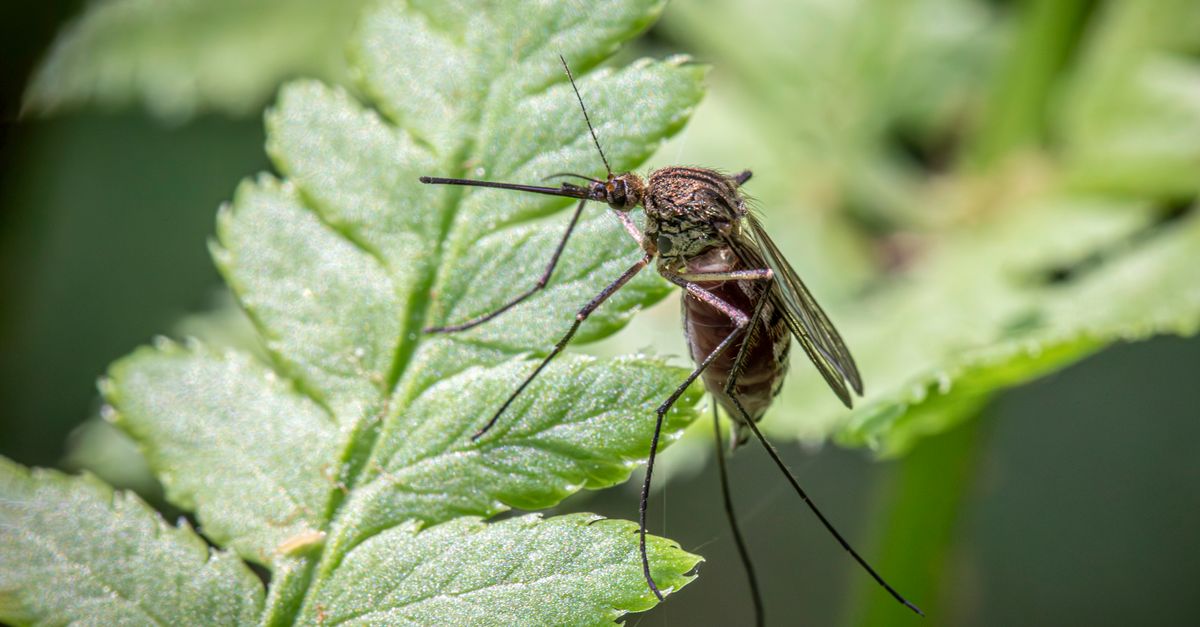
The key biting insects relevant to UK buyers are the Highland midge (Culicoides impunctatus), the Culex mosquito, and the Blandford fly. Citronella’s masking effect can be reasonably effective against midges and mosquitoes in casual outdoor settings. However, it is important to state clearly that citronella offers minimal protection against ticks — if tick-borne disease prevention is your priority, citronella is the wrong tool, and a DEET-based or PMD-based product should be used instead.
Rising UK temperatures have extended the biting season, which now stretches from spring well into autumn. This longer window means more consumers are seeking repellents for use beyond the traditional peak summer weeks — making honest information about efficacy and reapplication more important than ever.
Critical Safety Caveats Before You Buy
Citronella is natural, but natural does not mean risk-free. Several safety considerations are particularly relevant for UK outdoor users:
- Toxicity to pets: Citronella essential oil is toxic to cats and dogs. This is a critical concern for anyone using citronella sprays or candles in enclosed spaces such as tents, campervans, or caravans where animals are present. Even residual oil on bedding or fabric can pose a risk to companion animals.
- Skin irritation and phototoxicity: Citronella can be a skin irritant at high concentrations, and there is a phototoxic risk if undiluted essential oil is applied to skin that is then exposed to sunlight. Always use properly diluted products, not raw essential oil.
- Indoor candle use: Citronella candles produce carbon monoxide (CO) as a combustion by-product. Using them indoors without adequate ventilation carries a real CO build-up risk in enclosed spaces. They are designed for outdoor use.
- Children and babies: There is no robust UK regulatory approval for using citronella on children under 2 years old. Consult NHS guidance before applying any insect repellent to infants and young children.
How to Choose a Citronella Repellent
When evaluating products in this category, the most important trust-building factor is ingredient transparency. Neither of the two pure-citronella sprays in our 2026 lineup discloses the exact percentage of active essential oil in their formulations — and we state this explicitly rather than glossing over it. When a manufacturer does not publish concentration data, buyers must rely on verified owner-review consensus for real-world potency indications rather than marketing claims.
Key considerations when choosing:
- Oil source: Java citronella (C. winterianus) is generally preferred over C. nardus for its higher geraniol and citronellal content.
- Format: Sprays offer the most versatile application for skin and fabric; candles provide ambient area protection but are strictly for outdoor, ventilated use.
- Additional oils: Some products blend citronella with other essential oils such as lemongrass, which adds a further odour-masking layer — though no specification data confirms that such blends are inherently more potent than single-oil formulations.
- PMD inclusion: For higher-risk situations, a product combining PMD with citronella offers stronger, clinically supported protection than citronella alone.
The Best Citronella Insect Repellents Reviewed
The following reviews are based on manufacturer specifications, verified owner-review consensus, and expert commentary. This is a research-based site; we do not claim hands-on testing.
BLEU JAUNE Citronella Spray — French Soaps (Yorkshire)
The best all-round natural citronella spray of 2026.
Sourced from the Provence-based soapmaker BLEU JAUNE and sold in the UK by Yorkshire-based retailer French Soaps, this spray is positioned as a premium, artisanal option. Its active ingredient is Java citronella oil (Cymbopogon winterianus) — the variety regarded as richest in the active compounds geraniol and citronellal that deter insects. The formulation is 100% natural-origin with no synthetic additives, which will appeal to buyers who want to avoid chemical formulations entirely.
Key specifications and what’s included:
- Active ingredient: Java citronella oil (C. winterianus)
- Formulation: 100% natural-origin, no synthetics
- Format: Spray bottle
- Applications: Suitable for skin, bedding, and fabric — making it particularly useful for tent and camping use, where treating sleeping bags or inner-tent fabric can add a layer of ambient deterrence
On ingredient transparency: The manufacturer does not disclose the exact percentage of citronella oil in the formulation. We highlight this explicitly rather than reproducing any brand marketing suggesting “day-long” protection. Based on the science of citronella’s masking mechanism, reapplication every approximately 2 hours is the realistic expectation, and this is the usage pattern we recommend regardless of any brand claims to the contrary. For potency, we rely on owner-review consensus, which is strongly positive.
Verified rating: 4.9 out of 5 from 27 reviews on the French Soaps website (2026).
Price and availability: Around £12 from the French Soaps website, with shipping at approximately £3.95. Free next-day delivery is available on orders over approximately £50, so it may be worth bundling with other products if you want to offset the delivery cost.
Safety note: The pet-toxicity caveat is especially relevant here. Because this spray can be applied to bedding and fabric — a major selling point for campers — it is essential to ensure that treated textiles are not accessible to dogs or cats. Ventilation remains important even when the product is used as a fabric spray rather than a candle.
Standout strength: The 100% natural-origin formulation and versatility for both skin and fabric use make it the most flexible pure-citronella option in this guide.
Honest caveat: The lack of disclosed active-ingredient percentage means buyers cannot independently verify potency, and the reapply-every-2-hours reality is less convenient than the brand’s implied longevity suggests.
Verdict: A genuinely natural, pleasantly scented, and versatile spray that earns its premium positioning — provided you reapply diligently and keep it away from pets.
Where to buy: French Soaps website (Yorkshire-based retailer).
Aroma Energy Citronella & Lemongrass Body Spray
The best budget buy for 2026 — a genuine essential-oil blend at an accessible price.
Aroma Energy differentiates itself from the BLEU JAUNE spray by using a dual-oil blend: citronella combined with lemongrass essential oil. Lemongrass adds a secondary odour-masking layer to the formulation, complementing citronella’s CO₂ and lactic-acid masking with its own distinct aromatic profile. However, it is important to note that no specification data is available to confirm that this dual-oil blend is inherently more potent than a single-oil citronella formulation — the lemongrass adds a different scent and additional masking, not necessarily superior deterrence.
Key specifications and what’s included:
- Active ingredients: Citronella oil + lemongrass oil blend
- Exact percentage of active oils: Not disclosed by manufacturer — we state this explicitly
- Formats available: 10ml travel size and 100ml full-size bottle
- Application: Body spray
Pricing: The 10ml travel size is approximately £4, and the 100ml bottle is approximately £10, both available on Amazon UK. Free tracked 24-hour shipping is available when ordering direct from Aroma Energy. The travel size makes this an excellent option for walkers, festival-goers, and campers who want a lightweight bottle for a rucksack pocket.
Ingredient transparency: As with BLEU JAUNE, the exact active-ingredient percentages are undisclosed. We rely on owner-review consensus for real-world potency feedback, which is generally positive regarding the product’s scent and casual-use effectiveness.
Standout strength: The combination of genuine essential oils (rather than synthetic fragrance) at a genuinely affordable price point, with a useful travel-size option.
Honest caveat: Without disclosed concentration data, it is impossible to compare this formulation’s potency directly against the BLEU JAUNE spray on a like-for-like basis, and the lemongrass addition is a scent and masking benefit rather than a proven potency upgrade.
Verdict: A solid, affordable essential-oil blend that is ideal for casual UK outdoor use — particularly good value in the 10ml travel format.
Where to buy: Amazon UK, or direct from Aroma Energy with free tracked 24-hour shipping.
incognito Insect Repellent
The best option for serious biting-insect pressure — where science credibility matters.
incognito is a UK-developed brand that takes a different and more scientifically robust approach than the pure-citronella products above. Rather than relying on citronella alone, incognito contains a blend of PMD (para-menthane-3,8-diol) and citronella. As covered above, PMD is the EPA-endorsed natural alternative that clinically outperforms citronella, making this formulation a more credible choice for situations where insect pressure is high — such as evenings near standing water, woodland camping, or travel to regions with aggressive mosquito populations.
Key specifications and what’s included:
- Active ingredients: PMD (para-menthane-3,8-diol) + citronella blend
- DEET-free formulation
- Format: 100ml spray bottle
- Endorsed in travel-health contexts
DEET-free with science credibility: The inclusion of PMD gives incognito stronger scientific standing than pure-citronella products. PMD has been clinically evaluated and endorsed by the EPA as a biopesticide repellent, meaning there is published evidence supporting its efficacy — something that pure citronella, with its 20-minute-to-2-hour protection window, cannot match. The citronella in the blend complements the PMD rather than carrying the primary repellent burden.
Price and availability: Approximately £8–£10 for the 100ml spray. incognito is widely accessible in the UK, stocked at Boots and Amazon UK, making it easy to purchase alongside other camping or travel essentials.
Standout strength: The PMD + citronella combination gives this product genuine clinical credibility that pure-citronella sprays lack, making it the most defensible choice for buyers who need reliable protection rather than just a pleasant natural scent.
Honest caveat: While incognito is DEET-free and plant-derived, the PMD component means it is not a “pure citronella” product — buyers specifically seeking only citronella should choose BLEU JAUNE or Aroma Energy instead.
Verdict: The most scientifically credible option in this guide, and the one to choose when you need natural repellency that genuinely works — not just something that smells nice.
Where to buy: Boots stores and Amazon UK.
UK Practical Notes for 2026
The extended biting season — now running from spring through to autumn — means that citronella products are relevant for a longer portion of the year than many buyers assume. Whether you are dealing with Highland midges on a Scottish camping trip in May, Culex mosquitoes in a southern English garden in July, or Blandford fly activity near rivers in early summer, the same principles apply: citronella masks insect cues but does not kill, protection is short-lived, and reapplication is essential.
For tent and campervan use specifically, remember the dual risks of pet toxicity (citronella oil is toxic to cats and dogs) and the need for ventilation. Spraying bedding or fabric is a useful ambient-deterrence strategy, but treated textiles should be kept away from companion animals, and any enclosed space should be ventilated even when using spray formulations rather than combustion-based candles.
For tick prevention — increasingly relevant as the UK biting season lengthens — citronella is not an appropriate choice. Use a PMD-based or DEET-based product and perform physical tick checks after walking in grassy or woodland areas.
Frequently Asked Questions
Is citronella safe for children and babies?
There is no robust UK regulatory approval for using citronella on children under 2 years old. Citronella essential oil can be a skin irritant, particularly at higher concentrations, and there is a phototoxic risk if undiluted oil is applied to skin before sun exposure. Always consult NHS guidance before applying any insect repellent to infants, and for young children, consider whether a PMD-based product with clinical backing might be a more defensible choice.
Does citronella repel ticks?
The evidence for citronella repelling ticks is minimal. Citronella works by masking the CO₂, lactic acid, and body-heat cues that mosquitoes and midges use to find hosts, but ticks do not rely on the same olfactory cues in the same way. If tick protection is your priority — for example, when walking in long grass or woodland areas where Lyme disease is a concern — a DEET-based or PMD-based product is strongly preferred over any citronella formulation.
Can citronella candles be used indoors?
Citronella candles are designed for outdoor use. Burning any candle indoors produces carbon monoxide (CO), and in enclosed or poorly ventilated spaces such as tents or campervans, there is a real risk of CO build-up. If you must use a citronella candle in a semi-enclosed space such as a gazebo or well-ventilated tent porch, ensure there is substantial airflow. Additionally, remember that citronella essential oil is toxic to cats and dogs, so indoor use around pets carries a separate health risk.
How often should you reapply citronella spray?
Pure citronella spray should be reapplied approximately every 2 hours at most, and potentially as frequently as every 20 minutes in hot conditions or when sweating heavily. The protection window depends on the concentration of essential oil in the formulation (which, as noted, is not always disclosed by manufacturers), ambient temperature, and individual perspiration levels. Any brand claiming longer-than-2-hour protection from citronella alone is not supported by the available evidence.
Is citronella toxic to pets?
Yes — citronella essential oil is toxic to both cats and dogs. This is a particularly important consideration for campers and caravanners who may use citronella sprays on bedding, fabric, or skin in enclosed spaces where pets are present. Even residual oil on treated textiles can pose a risk if an animal ingests it through grooming. If you are travelling with pets, consider a non-citronella alternative, and never apply citronella products directly to an animal’s skin or coat.