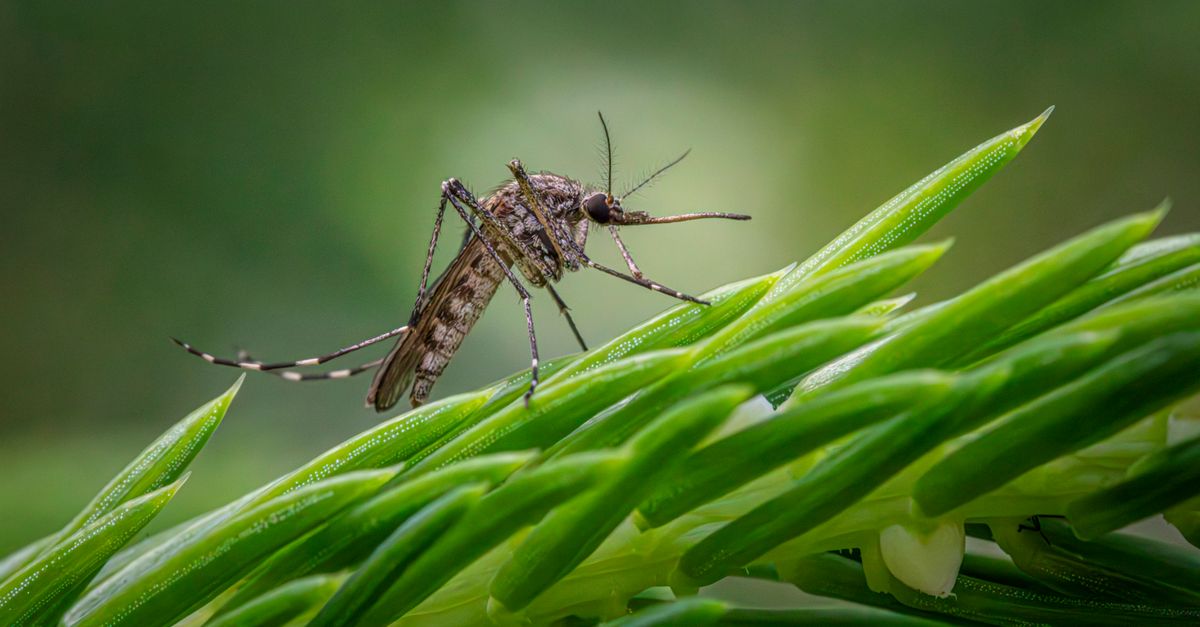
doTERRA Insect Repellent: Is TerraShield Worth Buying in the UK?
There is one fact about doTERRA insect repellent that should shape your decision before you look at price, scent or bottle size.
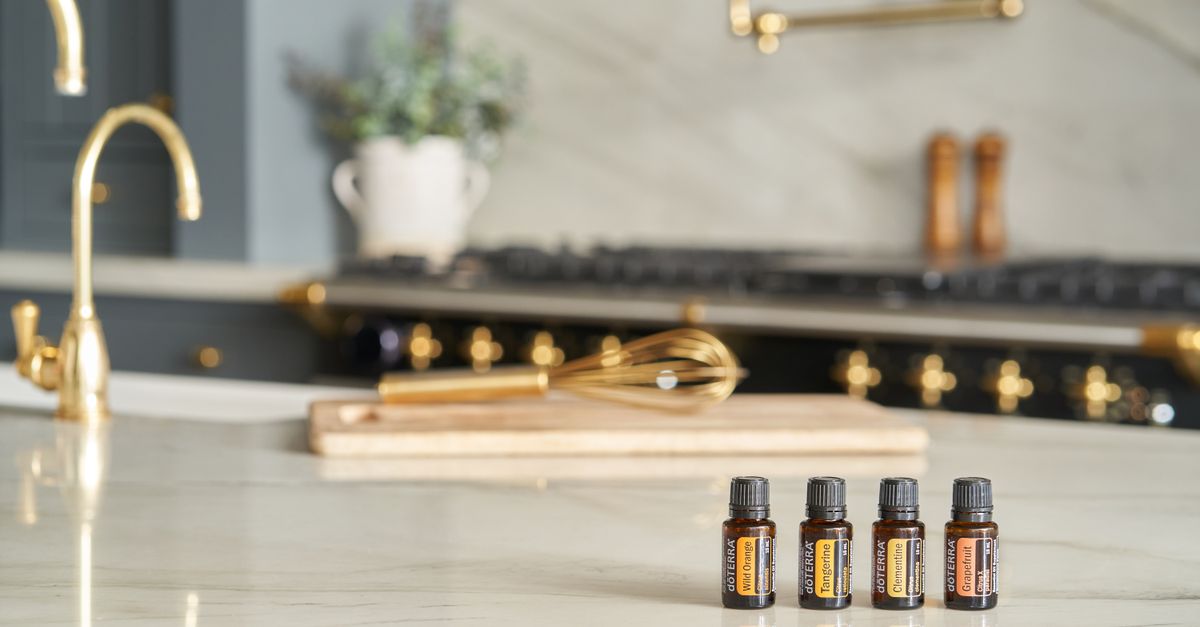
doTERRA Insect Repellent: Is TerraShield Worth Buying in the UK?
There is one fact about doTERRA insect repellent that should shape your decision before you look at price, scent or bottle size. In Great Britain, a product may only be sold with insect-repellent efficacy claims — wording that says it repels biting insects, or states how long it keeps working — if it holds a biocidal product authorisation on the GB Biocidal Products Register, maintained by the Health and Safety Executive and searchable at hse.gov.uk/biocides/gbpr. doTERRA’s UK product pages for TerraShield do not carry that authorisation. They use language such as “Outdoor Blend” and “aromatic”, which is the vocabulary of a cosmetic rather than a biocide.
That does not make TerraShield worthless. It does mean you are buying it on entirely different terms from Smidge, Mosi-guard Natural or Lifesystems Expedition 50 — all of which are authorised and publish the percentage of active ingredient their protection claims rest on. Everything else follows from that one distinction: what the label is legally allowed to promise, what you pay per millilitre, how it should be handled around children, pets and sunlight, and whether it is the right bottle to pack for a damp evening in the Highlands or a fortnight in the Mediterranean. This guide covers the three TerraShield formats, UK pricing in 2026, and how the range compares with the authorised alternatives.
Quick picks: the six options at a glance
| Product | Best for | Typical price |
|---|---|---|
| doTERRA TerraShield Outdoor Blend (15 ml) | The most flexible formats — decant, dilute or pair with a carrier spray | Around £25 |
| doTERRA TerraShield Spray (30 ml) | Ready-to-use convenience with no dilution maths | Typically £25–£40 |
| doTERRA TerraShield Touch (10 ml) | A pre-diluted roll-on for pockets and pulse points | Typically £15–£25 |
| Mosi-guard Natural (75 ml) | An authorised PMD-based repellent, the closest comparator to a lemon-eucalyptus blend | Around £11 |
| Smidge (75 ml) | Scottish midges in particular; 20% icaridin | Around £11 |
| Lifesystems Expedition 50 (100 ml) | Higher-risk destinations and long days outdoors; 50% DEET | Around £12 |
If documented, long-lasting protection is the priority, the authorised options below deliver it at a small fraction of the cost per millilitre. The full breakdown is further down.
How to choose an insect repellent in the UK: what actually matters
The regulatory gate
The GB Biocidal Products Register is the first filter worth applying to any repellent, before you read a single ingredient. Authorisation means the manufacturer has submitted efficacy and safety data to the HSE and the product has been assessed as a biocide. It is not a marketing badge — it is the legal permission to make a repellency claim at all. A product that is regulated as a cosmetic can still be sold and used outdoors; it simply cannot tell you it repels anything, because in law it has not demonstrated that it does.
Northern Ireland is a separate case worth knowing if you travel or order across the Irish Sea: NI follows the EU Biocidal Products Regulation rather than the GB register, so authorisation status for the same product can differ depending on where in the UK you are.
The actives that UK public health guidance actually names
UKHSA’s guidance on ticks and Lyme disease names four recommended active ingredients: DEET, icaridin, IR3535 and PMD (p-menthane-3,8-diol). Essential oil blends are not covered by that list. If your concern is tick bites rather than nuisance insects, that gap matters more than any aromatic description on the bottle — see the safety and UK context section below.
Concentration, not just the ingredient
An authorised repellent declares the percentage of its active on the label, because that figure is what its protection-time claim is built on. Smidge, for example, is an authorised repellent whose active is 20% icaridin — also known as picaridin or KBR 3023 — per the manufacturer’s label and its GB register entry. Lifesystems Expedition 50 is authorised on the basis of DEET at 50%. That number is the single most useful thing on a repellent label, because it tells you how the product compares, drop for drop, with everything else on the shelf.
Cost per 100 ml and format
Repellents are sold in wildly different pack sizes, from 10 ml roll-ons to 100 ml sprays, so headline prices are misleading. Converting to a cost per 100 ml is the only fair comparison — and, as the table below shows, the gap between an essential oil blend and an authorised repellent is very large indeed.
Format follows use
A 15 ml bottle you dilute yourself suits someone who wants to control the carrier and the strength. A ready-to-use spray suits a rucksack. A roll-on suits a jacket pocket. None of those choices changes the regulatory position — only the practicalities.
What is doTERRA TerraShield — and what’s in the blend?
doTERRA describes TerraShield as an Outdoor Blend: a proprietary essential oil mixture sold for outdoor use rather than as an authorised insecticide. It is one of the company’s best-known non-supplement products, sitting alongside the wider doTERRA range of single oils and blends sold through the UK site and through independent Wellness Advocates.
The blend, according to doTERRA
doTERRA’s own ingredient page lists the TerraShield blend as containing ylang ylang flower, Nootka wood, cedarwood wood, catnip plant, lemon eucalyptus, litsea fruit, arborvitae wood and tamanu seed oils. It is worth separating those eight ingredients by evidential weight rather than treating them as one blend.
Catnip is the interesting one: it contains nepetalactone, which has peer-reviewed repellency data behind it, including work by Bernier et al. The others are more mixed. Cedarwood, ylang ylang and arborvitae have no robust repellency evidence — that is worth stating plainly rather than dressing up. Lemon eucalyptus is the ingredient most buyers will recognise, and it is genuinely the basis of authorised repellents sold in the UK, but only in a specific form.
OLE ≠ PMD: the distinction that decides everything
Oil of lemon eucalyptus (OLE) is the crude oil. PMD (p-menthane-3,8-diol) is the isolated or synthesised active that authorised products standardise, refined from OLE. Public health bodies and academic reviews have examined PMD closely, and Mosi-guard Natural is an authorised PMD-based repellent whose active is precisely that. Registered OLE/PMD products declare the percentage of active on the label; their protection-time claims are built on it. doTERRA does not publish the concentration of lemon eucalyptus, or of any other oil, in the TerraShield blend. Without that figure there is no way to judge how the product compares, drop for drop, with a formulated repellent.
The evidence gap
There is no published efficacy data for the TerraShield blend specifically — not from the manufacturer, and not from any third party. That is not an accusation; it is simply the state of the record, and it is the honest reason this guide cannot tell you how long TerraShield works on a midge-heavy evening.
doTERRA TerraShield Outdoor Blend (15 ml)
Best for: buyers who want the most adaptable format — the version you can dilute, decant into your own sprayer, or combine with a carrier oil.
What’s included: a single 15 ml bottle of the undiluted essential oil blend. Dilution guidance varies by format and market, so follow the instructions on the bottle you actually receive rather than assuming it arrives as a ready-to-wear spray. It is also the format most often bundled into doTERRA kits and starter collections, which is how many customers first end up with TerraShield.
Standout strength: flexibility, and the lowest entry price of the three formats at typically around £25. Because you control the carrier, it is the version that suits someone already comfortable working with essential oils.
Honest caveat: it is also the most expensive way to buy the blend by volume — £25 for 15 ml works out at roughly £167 per 100 ml, against roughly £12–£15 per 100 ml for the authorised repellents below. And because no concentration is declared, diluting it yourself means adjusting an already unquantified product.
Where to buy: the doTERRA UK site, doterra.com/gb, at either the retail price or the lower wholesale/PV price if you hold a Loyalty Rewards or Wellness Advocate account. Note that doTERRA does not officially authorise third-party Amazon UK resellers — check doterra.com/gb’s own terms before buying through a marketplace seller, because authenticity and returns support may be affected.
Verdict: the pick of the three formats if you want to control the carrier and you accept that you are buying an aromatic outdoor oil, not a documented repellent.
doTERRA TerraShield Spray (30 ml)
Best for: anyone who wants zero fuss — the one to keep in a rucksack, a car door pocket or with a picnic blanket.
What’s included: a 30 ml ready-to-use spray. No dilution maths, no decanting, no separate carrier to buy, which is the whole point of the format.
Standout strength: convenience, and a pack size that is genuinely practical for a day outdoors. It is the format most people picture when they search for a doTERRA insect repellent.
Honest caveat: typically £25–£40, so the per-millilitre economics sit between the Outdoor Blend and the Touch roll-on — still an order of magnitude above the authorised options. And the same evidence gap applies: a spray format is easier to use, but it does not make the blend’s performance any more documented.
Where to buy: doterra.com/gb, at retail or wholesale/PV pricing with a Loyalty Rewards or Wellness Advocate account.
Verdict: the most usable TerraShield format, and the one to choose if you simply want a spray bottle rather than a project.
doTERRA TerraShield Touch (10 ml)
Best for: travel and pulse points — the bottle that fits a jacket pocket or a wash bag.
What’s included: a 10 ml roll-on, pre-diluted with fractionated coconut oil and designed for pulse points and smaller areas rather than for spraying over a whole arm or leg.
Standout strength: the smallest, most portable format, and the cheapest entry point at typically £15–£25. Pre-dilution also removes the guesswork about carrier ratios, which is a real advantage for anyone new to essential oils.
Honest caveat: it is a roll-on, so it covers far less skin per use than a spray, and 10 ml does not go far if you intend to treat ankles, wrists and a neckline every evening. As with the other two formats, no active concentration is declared and no efficacy data is published.
Where to buy: doterra.com/gb, retail or wholesale/PV price with the relevant account.
Verdict: the format to buy for a handbag or a carry-on, provided you accept the coverage limits of a roll-on.
Mosi-guard Natural — the authorised lemon-eucalyptus alternative
Best for: anyone drawn to a plant-derived repellent but who wants a product with an actual authorisation behind it.
What’s included: a 75 ml pack, typically around £11. Its active is p-menthane-3,8-diol (PMD), refined from oil of lemon eucalyptus, and it holds a GB Biocidal Products Register entry.
Standout strength: it is the closest authorised comparator to a lemon-eucalyptus blend — the same botanical family of active, but standardised, declared and assessed. At roughly £15 per 100 ml it also costs a small fraction of TerraShield’s roughly £167 per 100 ml.
Honest caveat: PMD is not the right choice for every household. The CDC and the EPA advise against PMD and OLE use on children under three — check the current threshold at cdc.gov/westnile or the EPA’s repellent pages, since guidance can be updated — so a DEET or icaridin product may be the more suitable option for younger children, on advice from a pharmacist or GP.
Where to buy: Boots, Amazon UK and Nomad Travel.
Verdict: if you want a lemon-eucalyptus repellent rather than a lemon-eucalyptus-scented oil, this is the one to put in the basket.
Smidge — the Scottish midge specialist
Best for: Scottish midge season in particular, and UK hillwalking, camping and garden evenings generally.
What’s included: a 75 ml pack, typically around £11, with 20% icaridin (also called picaridin, or KBR 3023) as its active, per the manufacturer’s label and GB register entry. Smidge is specifically formulated and tested against Culicoides impunctatus — the Scottish biting midge — according to the manufacturer’s product page.
Standout strength: that species-specific positioning is genuinely useful information rather than marketing flourish. The Scottish midge season typically runs May to September, and the Scottish Midge Forecast at smidgeup.com is the practical way to check activity levels before you commit to a camping weekend.
Honest caveat: icaridin is a conventional active, so if the entire reason you are looking at TerraShield is a preference for essential oils, Smidge is not that product. It is also specifically orientated towards Scottish midges, so if ticks are your concern, check the UKHSA position on actives rather than assuming any one repellent covers everything.
Where to buy: Go Outdoors, Amazon UK, or direct from the manufacturer.
Verdict: the most targeted UK buy for midges, at roughly £15 per 100 ml.
Lifesystems Expedition 50 — DEET for higher-risk travel
Best for: higher-risk destinations, long humid days, and travellers who want a high-concentration conventional active.
What’s included: a 100 ml pack, typically around £12, with 50% DEET as its active, per the manufacturer’s label, and an authorisation on the GB register.
Standout strength: it carries the highest declared active concentration of the products compared here, at a cost of roughly £12 per 100 ml — the lowest cost per millilitre in this comparison. DEET is one of the four actives named in UKHSA’s tick and Lyme disease guidance.
Honest caveat: DEET at 50% is a strong formulation, and some people find the smell or the feel on skin off-putting; it is also worth reading the label instructions on application to clothing, plastics and children carefully before you rely on it.
Where to buy: it is typically stocked by outdoor and travel-health retailers rather than listed here as a specific named seller.
Verdict: the value-per-millilitre benchmark, and the obvious pick if your trip involves genuine bite risk rather than a British barbecue.
Cost per 100 ml: the numbers side by side
Pack sizes vary so much that headline prices mislead. Converting everything to a cost per 100 ml makes the comparison honest — and the result is a very wide gap between the doTERRA formats and the authorised repellents.
| Product | Pack | Approx. price | Approx. per 100 ml |
|---|---|---|---|
| doTERRA TerraShield Blend | 15 ml | Around £25 | Roughly £167 |
| Mosi-guard Natural | 75 ml | Around £11 | Roughly £15 |
| Smidge | 75 ml | Around £11 | Roughly £15 |
| Lifesystems Expedition 50 | 100 ml | Around £12 | Roughly £12 |
Put plainly: Smidge and Mosi-guard Natural come in at roughly £15 per 100 ml and Lifesystems at roughly £12, while the TerraShield Outdoor Blend works out at roughly £167 per 100 ml. That is not a small premium for the format — it is a different order of cost entirely, and it is the figure to weigh against the fact that TerraShield publishes no concentration and has no published efficacy data. Prices are approximate and move with promotions and account tiers, so treat these as planning figures for 2026 rather than fixed shelf prices.
Buying doTERRA in the UK: retail tier, PV tier and the Amazon question
doTERRA UK runs two pricing tiers. There is the standard retail price, and a lower wholesale/PV price available if you hold a Loyalty Rewards or Wellness Advocate account. Both tiers should be quoted directly from doterra.com/gb, and it is worth dating your check when you compare, because tier pricing changes.
The second thing to understand is the marketplace. doTERRA does not officially authorise third-party Amazon UK resellers, so check the current position in doterra.com/gb’s own terms before buying through a marketplace listing — if that remains the case, it carries real implications for authenticity and for returns support if something goes wrong. Buying a 15 ml essential oil blend from an unauthorised seller is a different transaction from buying an authorised repellent from Boots or Go Outdoors, where the supply chain is straightforward.
Safety and UK-specific considerations
Every point here has a named source behind it, because these are the questions that matter most once the bottle is in your hand — regardless of whether the product is a biocide or a cosmetic.
Children. The CDC and the EPA advise that PMD and OLE are not for children under three. Verify the current threshold at cdc.gov/westnile or the EPA’s repellent pages, as this guidance is periodically reviewed.
Pets. Essential oils — including lemon eucalyptus and cedarwood — are toxic to cats. The ASPCA Animal Poison Control is the reference point in the US, and in the UK the Veterinary Poisons Information Service (VPIS) is the body to consult. If you have a cat, treat any essential oil blend as a household hazard rather than a garden product, and take veterinary advice immediately if exposure is suspected.
Sun exposure. Phototoxicity is a flagged risk with litsea and some citrus-adjacent oils — meaning some oils can make skin react more strongly to sunlight. Read the label’s sun-exposure guidance before applying and heading outdoors.
Ticks. UKHSA’s tick and Lyme disease guidance names DEET, icaridin, IR3535 and PMD as recommended actives. Essential oil blends are not covered by that list, so if you are walking in tick habitat, choose on that basis rather than on scent.
Midges. The Scottish biting midge, Culicoides impunctatus, is a different problem from mosquitoes, with a season typically running May to September. The Scottish Midge Forecast at smidgeup.com is the practical planning tool, and Smidge is formulated and tested against that species per the manufacturer’s claim.
Northern Ireland. NI follows the EU Biocidal Products Regulation rather than the GB register, so authorisation status can differ depending on where in the UK you are buying or using the product.
Frequently asked questions
Is doTERRA TerraShield authorised as an insect repellent in the UK? No. In Great Britain, repellent efficacy claims require a biocidal product authorisation listed on the GB Biocidal Products Register, and TerraShield’s UK pages use terms such as “Outdoor Blend” and “aromatic” instead. That means it is regulated as a cosmetic, not a biocide, and it cannot legally make claims about repelling insects or about how long protection lasts.
How do I check whether any repellent is authorised? Search the GB Biocidal Products Register at hse.gov.uk/biocides/gbpr, which is maintained by the Health and Safety Executive. You can check the specific product name and see its authorised active and concentration. If you are in Northern Ireland, remember that the EU Biocidal Products Regulation applies instead, so the entry you need may differ.
Does TerraShield protect against ticks or Scottish midges? There is no way to answer that from the record. No efficacy data has been published for the TerraShield blend, by the manufacturer or by any third party. By contrast, UKHSA’s tick guidance names DEET, icaridin, IR3535 and PMD as recommended actives and does not cover essential oil blends, and Smidge is formulated and tested against Culicoides impunctatus per the manufacturer’s claim.
Why does TerraShield cost so much more per 100 ml? Because the pack sizes are small and the pricing is tiered. At typically around £25 for 15 ml, the Outdoor Blend works out at roughly £167 per 100 ml, against roughly £12–£15 per 100 ml for Smidge, Mosi-guard Natural and Lifesystems Expedition 50. Holding a Loyalty Rewards or Wellness Advocate account gets you the lower wholesale/PV price instead of retail, which narrows but does not close the gap.
Is it safe to buy doTERRA from an Amazon UK third-party seller? doTERRA does not officially authorise third-party Amazon UK resellers, so check doterra.com/gb’s own terms before buying from a marketplace listing. If that position holds, marketplace purchases sit outside the brand’s authorised channel, which can affect both product authenticity and your ability to get returns support. For repellents specifically, Boots, Go Outdoors, Nomad Travel and the manufacturers’ direct sites are unambiguous supply chains.
Can I use lemon eucalyptus or PMD products on children, and are they safe around pets? The CDC and EPA advise against PMD and OLE for children under three — verify the current threshold at cdc.gov/westnile or the EPA’s repellent pages. Separately, essential oils including lemon eucalyptus and cedarwood are toxic to cats, so consult the ASPCA Animal Poison Control or the UK’s Veterinary Poisons Information Service if exposure occurs. Litsea and some citrus-adjacent oils also carry a phototoxicity risk, so read sun-exposure guidance on the label before applying.
Bottom line
doTERRA TerraShield is a well-known aromatic outdoor blend sold in three formats — the 15 ml Outdoor Blend at typically around £25, the 30 ml ready-to-use Spray at typically £25–£40, and the 10 ml pre-diluted Touch roll-on at typically £15–£25. It contains catnip, which has peer-reviewed repellency data behind its nepetalactone content, alongside lemon eucalyptus, litsea, Nootka wood, cedarwood, ylang ylang, arborvitae and tamanu. It is legal to sell, pleasant to use and widely recommended within its own community.
What it is not, in Great Britain, is an authorised insect repellent. It declares no active concentration, publishes no efficacy data, and costs roughly £167 per 100 ml at the Outdoor Blend format — against roughly £12–£15 per 100 ml for Smidge, Mosi-guard Natural and Lifesystems Expedition 50, all of which hold a place on the GB Biocidal Products Register and name their actives on the label. If you want the blend for its scent and its ritual, buy it knowing exactly what it is. If you want documented protection against midges, mosquitoes or ticks — and particularly if you are buying for a child under three or you share a home with a cat — the authorised alternatives are the more defensible purchase.