How to Avoid Ticks When Hiking UK: Prevention, Removal and Lyme Disease
Ticks and Lyme disease are the real hazard of British hillwalking. How to avoid bites, remove a tick correctly, and what the bullseye rash means.
How to Avoid Ticks When Hiking UK: Prevention, Removal and Lyme Disease
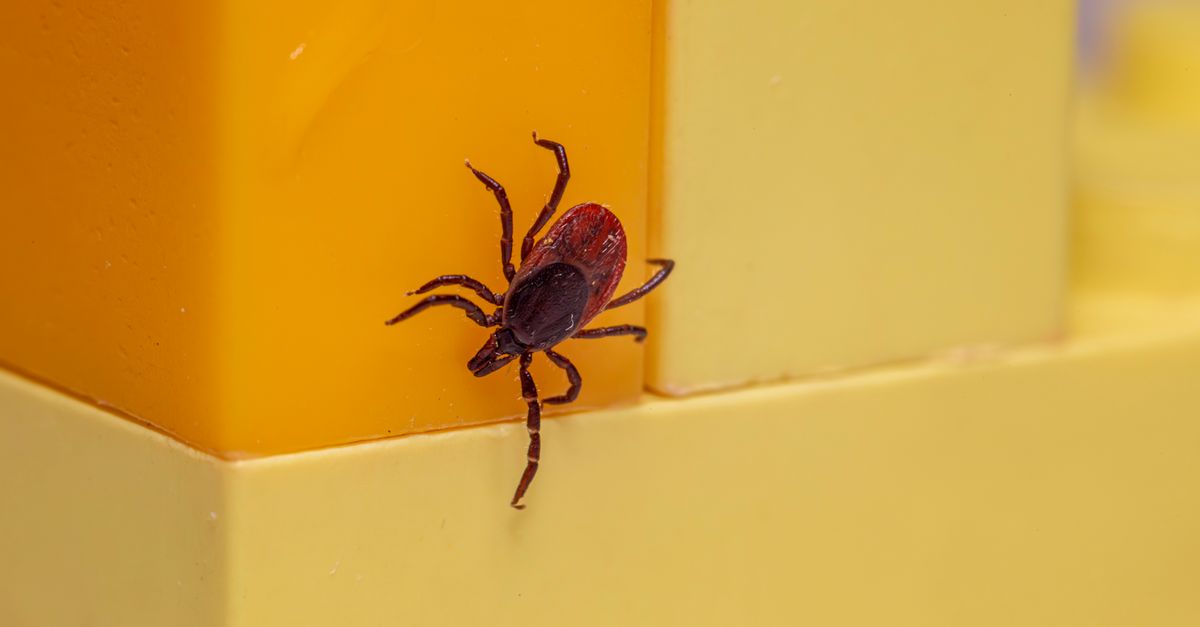
Ticks are the most likely thing on a British hill to actually make you ill. Not the weather, not the terrain — a parasite a few millimetres across that you probably will not feel. The good news is that prevention is mostly about clothing and habit, and correct removal takes about fifteen seconds once you know how. This guide is based on desk research: NHS and UK Health Security Agency guidance, and outdoor-sector material rather than first-hand testing. Below you will find where ticks actually live, how to keep them off, how to remove one properly, and what to watch for afterwards.
Quick Reference
| Main UK species | Ixodes ricinus, the sheep or deer tick |
| Peak season | Spring to autumn, with a spring and late-summer peak |
| Worst habitat | Bracken, long grass and woodland edge, especially where deer graze |
| Main risk | Lyme disease (borreliosis) |
| Removal | Fine-tipped tweezers or a tick tool, steady upward pull |
Where Ticks Actually Are
Ticks do not jump or fly. They quest — climb a grass stem or bracken frond, hold out their front legs, and wait for something to brush past. That single fact tells you almost everything about avoiding them.
High-risk ground: bracken, long grass, heather edges, woodland margins and rides, and anywhere deer or sheep concentrate. The Scottish Highlands, the Lake District, the New Forest, Exmoor, Thetford Forest and much of Wales are all well-known hotspots, but ticks are present across most of the UK including urban parks.
Low-risk ground: short grazed turf, bare rock, high stony summits, and the middle of a well-made path.
The practical version: the tick is at knee height in the vegetation beside the path, not on the path.
Keeping Them Off
Stay on the path. The simplest and most effective measure. Brushing through bracken is where bites come from.
Cover your legs. Long trousers beat shorts by a wide margin. Tucking trousers into socks looks ridiculous and works — it removes the direct route to skin.
Wear light colours. Not because ticks avoid them, but because you can see a dark tick on pale fabric before it reaches you.
Use repellent on skin. DEET-based repellents are effective against ticks as well as midges. Apply to ankles, lower legs and anywhere clothing gaps.
Consider permethrin-treated clothing. Permethrin kills ticks on contact and is applied to fabric rather than skin. Treated trousers and socks are common among people who spend a lot of time in bracken. Follow the product instructions — it is for clothing only, and it is harmful to cats while wet.
Brush off before you sit down. Ticks often wander for a while before attaching. A quick sweep of trousers and a check before lunch catches many of them.
Keep dogs treated. Dogs collect ticks readily and bring them into the tent and the car.
Checking Yourself
Do this every day in tick country, and again when you get home. Ticks in the nymph stage are the size of a poppy seed and easy to miss.
Check especially:
- Behind the knees
- Groin and waistband
- Armpits
- Around the navel
- Behind the ears and along the hairline
- Between the toes
A mirror or a companion helps for the places you cannot see. In the shower is the easiest moment to do it thoroughly.
Removing a Tick Correctly
The method matters, because a badly removed tick is more likely to transmit infection.
Use fine-tipped tweezers or a purpose-made tick removal tool. A tick tool costs a couple of pounds and lives on a keyring; it is the single best thing to add to a first aid kit for British hillwalking.
- Grasp the tick as close to the skin as possible, at the head, not the body.
- Pull steadily upwards. Do not jerk or twist — with a hooked tick tool a gentle twist is what the design intends, so follow the tool’s instructions.
- Clean the bite with antiseptic or soap and water afterwards.
- Note the date and where on your body it was.
Do not burn the tick, smother it in petroleum jelly, cover it with alcohol, or squeeze its body. All of these can make it regurgitate into the wound, which is precisely what you are trying to avoid.
If mouthparts break off and stay in the skin, that is not a disaster — treat it like a splinter and let it work out, keeping the area clean.
Prompt removal matters. Transmission risk rises with the length of time a tick stays attached, which is why the daily check is worth more than any single precaution.
Lyme Disease: What to Watch For
Most tick bites do not transmit anything. But Lyme disease is a real and reasonably common UK infection, and it is very treatable when caught early.
The classic sign is a spreading circular rash around the bite — erythema migrans — often described as a bullseye, appearing days to weeks after the bite and typically expanding over time. It is usually not itchy or painful, which is one reason it gets ignored.
Not everyone gets the rash. Other early symptoms are flu-like: fever, headache, fatigue, muscle and joint pain, and neck stiffness.
See a GP if you develop a spreading rash after a tick bite, or unexplained flu-like symptoms in the weeks after being in tick country. Tell them you have been bitten and when — it changes what they look for. Early Lyme disease is treated with antibiotics and the outlook is good; untreated, it can cause more serious joint, heart and neurological problems later.
Do not send yourself into a spiral over it. Check daily, remove properly, and know the rash.
FAQ
What is the best way to remove a tick? Fine-tipped tweezers or a purpose-made tick removal tool, gripping as close to the skin as possible at the tick’s head, then pulling steadily upward — following the tool’s instructions if it is a hooked type. Clean the bite afterwards and note the date. Never burn the tick, smother it in jelly, or squeeze its body; those can make it regurgitate into the wound.
When is tick season in the UK? Ticks are active from roughly spring through autumn, with peaks in spring and again in late summer, though mild winters mean they can be active year-round in some places. The season broadly overlaps the main hillwalking months, so the daily check should just be part of the routine from March to November.
Do I need to see a doctor after every tick bite? No. Most bites transmit nothing. See a GP if you develop a spreading circular rash around the bite — which can appear days to weeks later — or unexplained flu-like symptoms such as fever, headache, fatigue or joint pain in the following weeks. Tell them about the bite and the date, because it changes what they test for.
Does insect repellent work against ticks? DEET-based repellents applied to skin do help, particularly on ankles and lower legs where most bites happen. For heavy bracken, permethrin applied to clothing is more effective still, since it kills ticks on contact — but it is for fabric only, never skin, and it is harmful to cats while wet. Neither replaces covering your legs and checking daily.