The Best Mosquito Repellents for the UK in 2026: Stop the Bites for Good
UK mosquitoes are worse in 2026 — compare DEET, Picaridin, and Thermacell options ranked by real-world owner feedback, with NHS-aligned recommendations.
The Best Mosquito Repellents for the UK in 2026: Stop the Bites for Good
UK Mosquitoes in 2026: What You’re Actually Dealing With
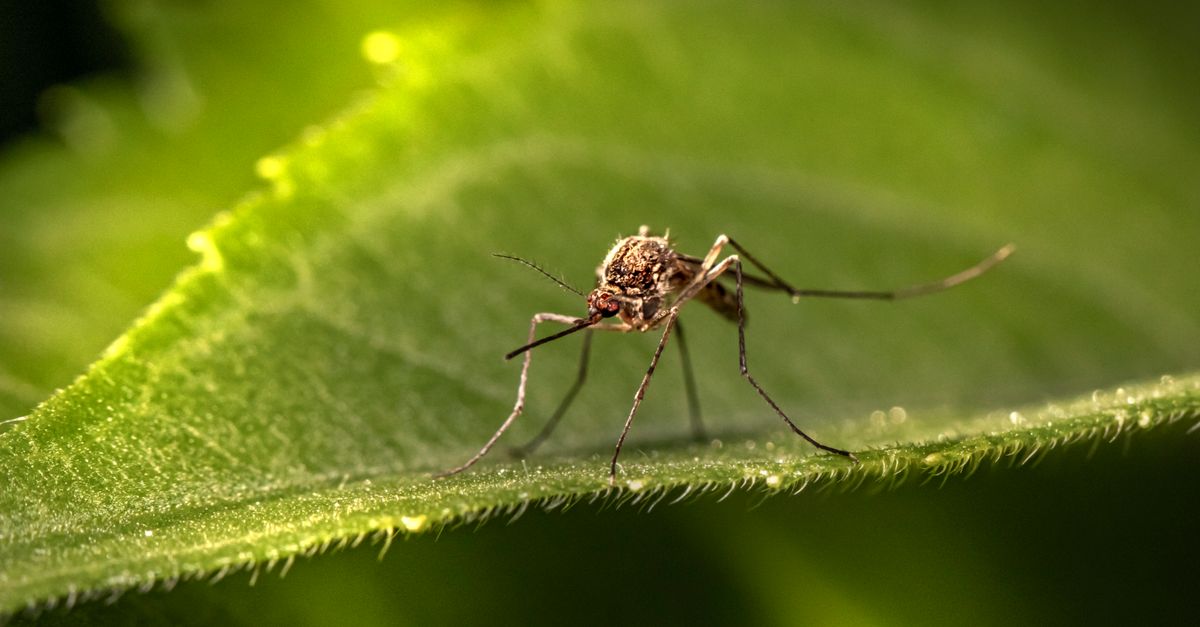
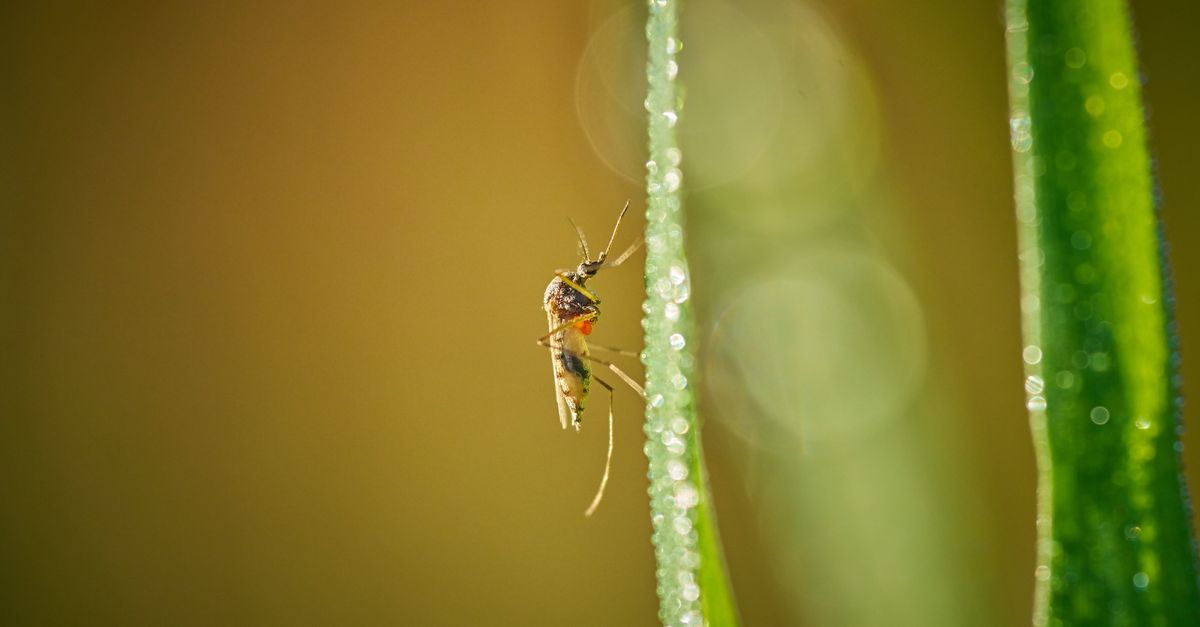
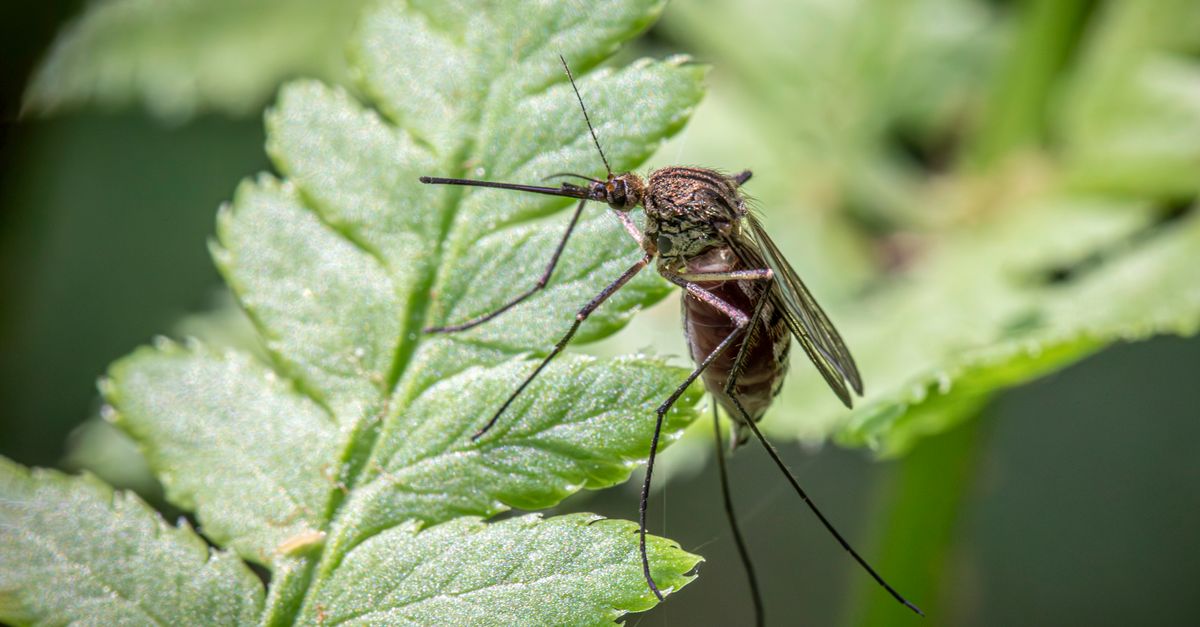
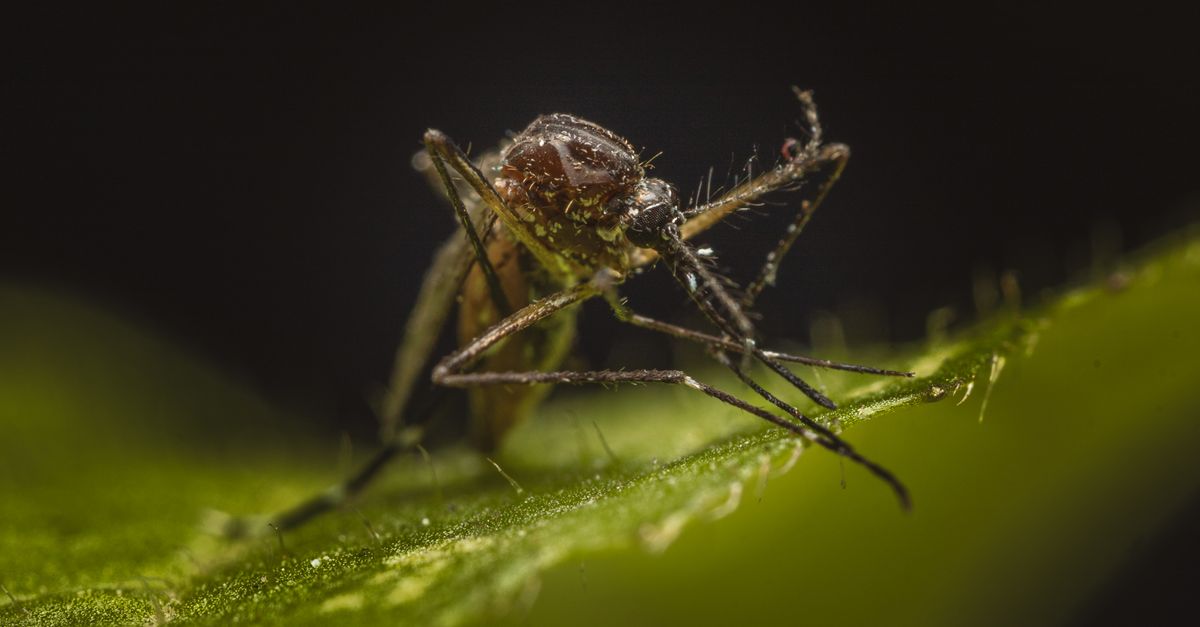
Before reaching for a repellent, it helps to know your enemy. The UK is home to around 34 mosquito species, but most biting nuisance comes from a handful of them. Culex pipiens (the common house mosquito) is responsible for most bedroom and garden bites, while Aedes vexans (the floodwater mosquito) surges in numbers after heavy rainfall and is particularly aggressive in low-lying areas.
More significantly for 2026, the UK Health Security Agency (UKHSA) mosquito surveillance programme has flagged Aedes albopictus — the Asian tiger mosquito — as an emerging concern in southern England. Unlike the predominantly dusk-and-dawn activity of Culex pipiens, tiger mosquitoes are daytime biters that target the lower legs and ankles, which changes how you need to protect yourself. UKHSA publishes annual surveillance reports tracking the spread of this species, and its presence in the UK is now documented rather than theoretical.
Bite season in the UK typically runs May through October, peaking in July and August. Regional hotspots include the East Anglian fens, the Thames estuary, and low-lying areas of Kent and Somerset — anywhere with standing water, slow-moving waterways, or regular flooding. The UK Centre for Ecology & Hydrology (UKCEH) links wetter-than-average winters and springs to elevated mosquito populations the following summer; after the wet conditions of 2024–2025, 2026 is shaping up to be a notably active season in these regions.
The good news: UK mosquitoes do not currently transmit malaria or dengue in mainland Britain. The risk is discomfort, not disease — but that’s still enough to ruin a camping trip or a summer evening in the garden.
If you live in the UK, you probably don’t think about mosquitoes very often. Then, one warm, humid evening in July, you step outside for five minutes and wake up the next morning with three angry, itchy welts on your ankle. While we don’t have the disease-carrying species found in the tropics, the UK’s native mosquitoes can still ruin a summer evening, a camping trip, or a night’s sleep with the window open.
The good news is that the UK market is packed with solutions. The challenge is filtering the genuinely effective products from the gimmicks. You don’t need a full hazmat suit; you need a strategy that works for your specific situation — whether that’s a garden BBQ, a tent in the Lake District, or a bedroom that’s become a feeding station.
To build this guide, we reviewed manufacturer specifications, cross-referenced NHS and UKHSA guidance, and drew on owner-review consensus from Amazon UK, Go Outdoors, and UKCampsite.co.uk forums — one of the most active UK-specific outdoor communities, where Thermacell and Smidge discussions regularly attract dozens of detailed owner reports. Here is everything you need to know about keeping mosquitoes at bay in the UK in 2026.
Quick Picks: The Best Mosquito Solutions at a Glance
If you want a fast, no-nonsense answer, here are the three best products for different UK scenarios:
| Product | Best For | Key Reason | Approx. Price |
|---|---|---|---|
| Smidge Insect Repellent | All-day personal protection | The 20% Icaridin (Saltidin/Picaridin) formula is odourless, non-greasy, and won’t melt plastics or synthetic fabrics. | £8–£10 |
| Thermacell Patio Shield MR150 | Sitting in the garden or camping | Creates a 15-foot (4.5m) protection zone per Thermacell’s manufacturer specifications, using a heat-activated repellent mat — no spray, no smell on skin. | £30–£40 device; £8–£12 per refill pack |
| Boots Pharmaceuticals Insect Repellent | Budget-conscious buyers | High-street availability and NHS-recognised active ingredients. Verify the current DEET concentration on the Boots product page before purchase, as formulations are updated periodically. | £5–£7 |
A Note on UK Regulatory Compliance
All insect repellents sold legally in the UK must be registered under the UK Biocidal Products Regulation (UK BPR), administered by the Health and Safety Executive (HSE). Repellents fall under PT19 (repellents and attractants) product type. When evaluating any repellent — especially lesser-known brands — look for an HSE registration number on the packaging. This confirms the product has been assessed for both safety and efficacy under UK law. The HSE maintains a publicly searchable biocides register at hse.gov.uk. This is a straightforward way to distinguish legitimate products from unregistered imports, which are increasingly common on marketplace platforms.
How to Choose the Right Mosquito Repellent for the UK
Before diving into specific products, it helps to understand the two main categories of mosquito defence: personal repellents (what you put on your skin or clothes) and area repellents (devices that clear a space around you). The best approach for most people is a layered one — use a personal repellent as your primary defence and an area repellent as a backup when you’re static.
When and Where Are Mosquitoes Worst in the UK?
Protection needs vary by location and time of year. In the East Anglian fens and Thames estuary, mosquito pressure can be genuinely intense from late May through September, comparable to parts of northern continental Europe. The Somerset Levels, parts of coastal Kent, and low-lying areas of the Scottish Highlands near lochs also see elevated activity. If you are camping or spending evenings outdoors in these areas between June and August, treat repellent as essential kit rather than optional. In urban settings elsewhere in the UK, nuisance biting is typically lower but increases significantly in warm, humid weather following rainfall.
For Aedes albopictus (tiger mosquito) specifically, protection needs to extend through daylight hours — particularly in the morning and late afternoon — and should focus on lower legs and ankles, which this species preferentially targets.
Personal Repellents: DEET vs. Picaridin vs. Natural
DEET (Diethyltoluamide) is the gold standard. It has been used for decades and is proven to work against a wide range of biting insects. The NHS and UKHSA recommend DEET for preventing insect bites. Concentrations of 50% DEET offer several hours of protection. The downsides: it can damage plastics, synthetic fabrics, and watch straps, and some people dislike the strong smell and greasy feel. Important: if you are considering a Boots own-brand repellent with a specific DEET concentration, verify the current formulation directly on the Boots website or product packaging before purchase. Own-brand formulations are periodically updated, and the DEET percentage on shelf may differ from older listings online.
Picaridin is the common US name for the compound whose International Nonproprietary Name (INN) is Icaridin. Saltidin is the brand name owned by Saltigo (Lanxess) — they are all the same active ingredient. UK product labels typically use “Icaridin,” so if you see “Saltidin” on a bottle and “Picaridin” in an article, they refer to the same thing. The WHO and the CDC consider Icaridin as effective as DEET when used at the right concentration (20% is the sweet spot). It is virtually odourless, non-greasy, and won’t damage gear — making it the go-to choice for campers and hikers who don’t want to ruin an expensive waterproof jacket or tent seam sealant.
Natural options (citronella, lemon eucalyptus, lavender) have a place but are generally less reliable. The CDC’s published guidance on repellent efficacy notes that plant-based alternatives typically provide significantly shorter protection windows than DEET or Icaridin — often under an hour for many formulations. They are fine for a quick trip to the bins, but not for a long evening in the garden or a full day on the fens.
Area Repellents: Heat, Light, and Chemical
Thermacell devices use a small butane cartridge to heat a mat infused with d-allethrin, a synthetic version of a natural insecticide found in chrysanthemums. They are silent, odourless to humans, and according to Thermacell’s manufacturer specifications, create a 15-foot (4.5-metre) protection zone. Owner reviews on UKCampsite.co.uk and Amazon UK consistently corroborate effective performance in calm, still conditions — the most commonly reported real-world limitation is reduced effectiveness in exposed, windy locations, where the repellent plume is dispersed before forming a stable zone. For sheltered patios, camping gazebos, and fishing trips, the consensus is strongly positive. Bear in mind the total cost of ownership: the device costs approximately £30–£40, with refill packs (mat plus butane cartridge) running £8–£12 and typically covering around 12 hours of use per mat.
Plug-in vapourisers (such as Boots or Superdrug own-brand diffusers) work well indoors. They heat a liquid or tablet containing a pyrethroid insecticide (usually transfluthrin or prallethrin). These are the best option for keeping mosquitoes out of a bedroom overnight. A single refill can last 30–45 nights.
Zappers and UV traps are largely ineffective against biting mosquitoes. The American Mosquito Control Association (AMCA) has published position statements noting that UV light traps attract and kill large numbers of non-target insects while having minimal impact on biting mosquito populations, which locate hosts primarily via carbon dioxide and body heat rather than light. Avoid these unless you want to kill moths.
The Best Mosquito Repellents for the UK in 2026 (Detailed Reviews)
1. Smidge Insect Repellent
Best for: All-day personal protection without damaging gear
If you only buy one product from this list, make it Smidge. This is the UK’s most popular Icaridin-based repellent, and for good reason. The active ingredient is 20% Saltidin — Saltigo’s brand name for Icaridin (also called Picaridin in the US) — which the manufacturer claims provides up to 8 hours of protection. It is registered under the UK BPR, odourless enough to wear comfortably all day, and safe on synthetic fabrics, making it the practical choice for anyone spending extended time outdoors in mosquito-prone areas. Owner feedback across Amazon UK and UKCampsite.co.uk forums is consistently positive, with users in East Anglian and Scottish Highland locations specifically noting its effectiveness during peak season. For daytime protection against Aedes albopictus, pay particular attention to lower-leg application. Full ingredient details are available on the Smidge manufacturer’s website and the Saltigo/Lanxess Saltidin product data sheet.