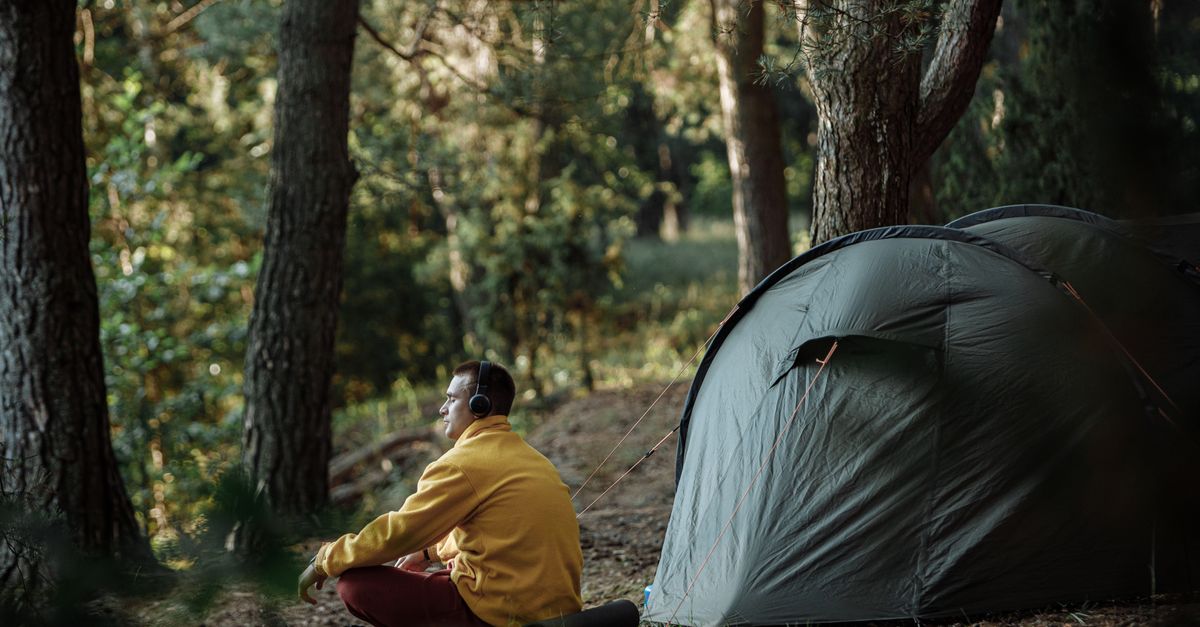
Shell Island Camping 2026: The Complete Guide to the UK's Biggest Campsite
A 2026 guide to Shell Island camping in North Wales: the tidal causeway, first-come pitches, facilities, dog rules and gear for exposed coastal pitches.
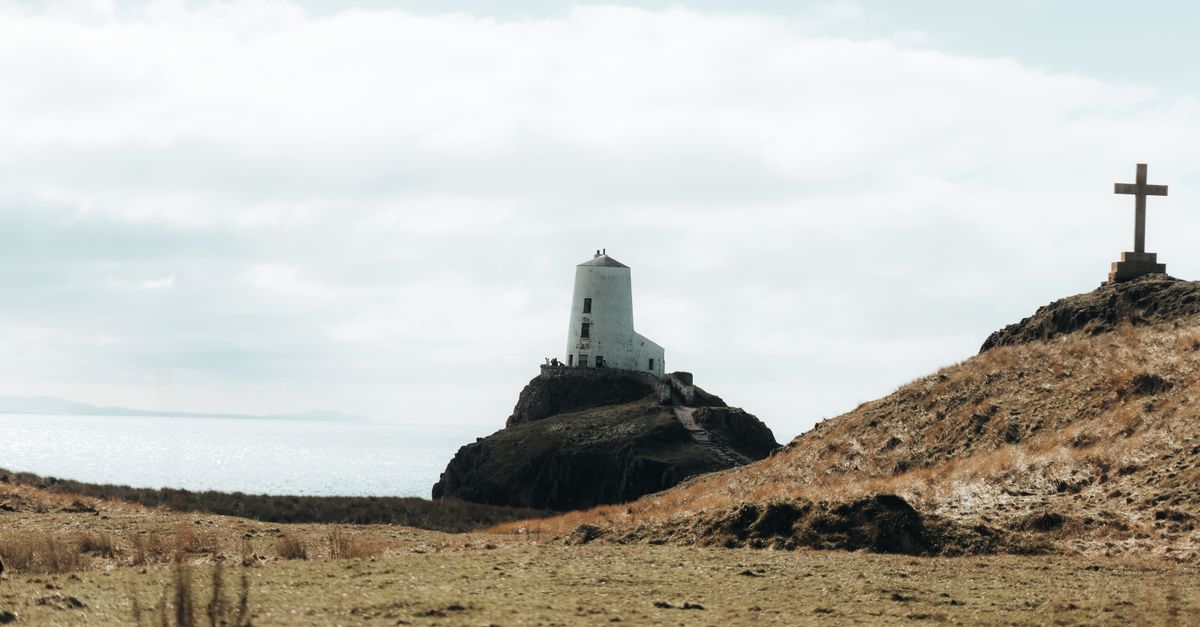
Shell Island Camping 2026: The Complete Guide to the UK’s Biggest Campsite
If you’ve ever dreamed of camping where the sea meets the sand dunes, where the tide dictates your arrival, and where the pitches stretch for hundreds of acres, Shell Island is the destination. Shell Island is the English name; the Welsh name, Mochras (pronounced approximately “Mock-rass”), refers to the same peninsula and is worth knowing for Welsh-language signage and local searches. Nestled along the stunning coastline of North Wales, this massive, no-frills campsite is accessible only via a tidal causeway, making every visit feel like a genuine adventure.
Shell Island’s own website describes it as the UK’s largest campsite, citing approximately 320 acres of pitchable land across the site (the total estate is larger). Because Shell Island operates a non-allocated pitch system rather than pre-assigned numbered pitches, any specific pitch count is inherently approximate — the campsite’s own information pages suggest the site can accommodate several hundred units depending on pitch spacing and seasonal conditions. Check Shell Island’s official website for current capacity guidance before booking.
With that scale comes unique challenges: a tidal timetable to work around, a pitch system that rewards early arrivals, and a need for robust, reliable gear. Whether you’re a seasoned wild camper or a family looking for a seaside escape, this guide covers everything you need to know for a successful trip in 2026, including booking, facilities, dog policy, and gear recommendations backed by manufacturer specifications and named publication reviews.
Quick Picks: Best Gear for Shell Island Camping
| Product | Best For | Key Reason | Price Guide |
|---|---|---|---|
| Vango AirBeam 600XL | Families / Groups | Quick, wind-resistant inflatable tunnel tent — ideal for exposed coastal pitches. | Check current price at Go Outdoors |
| Robens Klondike Grande | Couples / Small Families | Heavy-duty polycotton tunnel tent with a wood-stove-ready flue — superb for cooler evenings. | Check current price at Robens |
| Jetboil Flash 2.0 | Fast meals & drinks | Boils 500ml in approximately 100 seconds under controlled conditions — compact and wind-resistant. | Check current price at Cotswold Outdoor |
| Rab Neutrino Pro 400 | Warmth & packability | 800-fill goose down sleeping bag — comfort rating approx. +1°C, lower limit -4°C. | Check current price at Rab |
| Berghaus Supalite II 60+10 | Day hikes from the island | Lightweight (1.85kg) yet durable rucksack — well-suited for day hikes into the nearby Rhinog mountains. | Check current price at Berghaus |
Booking Shell Island in 2026: What You Need to Know
Shell Island operates a first-come, first-served system for most of the site — there is no pre-allocation of individual pitches. However, the campsite does accept advance bookings for certain areas and periods via its official website. For peak summer weekends (late July through August), arriving early on the first day of a tidal window is strongly advisable, as popular spots near the beach fill quickly.
For current 2026 nightly rates, availability windows, and any changes to the booking system, check Shell Island’s official booking page directly. Pricing and policies are updated seasonally and any figures quoted in third-party guides — including this one — may not reflect the most current rates. User reviews on UKCampsite.co.uk and Pitchup.com provide dated visitor accounts that can give a realistic sense of recent peak-season costs and availability.
Getting to Shell Island: The Tidal Causeway
Shell Island is not an island you can drive onto at any hour. The tidal causeway is the only vehicle access point and is submerged for a significant portion of each day. Always use the tidal timetable published on Shell Island’s official website for your specific travel date — do not rely on generalised figures, as tidal windows vary by season, weather conditions, and sandbar changes. The causeway timetable is published well in advance and updated regularly.
- Vehicle access: Causeway opening times are published daily on Shell Island’s official website. Check the exact times for your travel date before departure.
- Pedestrian access: Walking across at low tide is possible but involves a long crossing from the mainland.
- Top tip: Aim to arrive early in the tidal window to secure a good pitch without rushing — popular coastal spots near the beach go first.
- Fuel stop: The nearest petrol station is in Llanbedr village, approximately 1.5 miles from the causeway entrance. Fill up before attempting the crossing rather than relying on finding fuel on the island.
According to the campsite’s own guidance, you cannot leave your vehicle on the mainland side overnight without prior arrangement. Plan your journey around the tides, and do not rely on a sat-nav that doesn’t account for the sea.
Where to Pitch: Understanding the Site Layout
Shell Island does not allocate pitches. You drive onto the island, find a spot that is at least 15 metres from another tent, and set up. The sand dunes provide natural privacy — use them considerately. The site is broadly divided into several zones, each with its own character:
- Main Beach Area: The most popular zone, with direct access to the vast sandy beach. Can be windy and exposed — bring a windbreak.
- Dune Fields: More sheltered, with natural windbreaks. Favoured by smaller tents and those seeking quieter surroundings.
- Inland Meadows: Quieter, with more grass and fewer crowds. Better for larger groups who want space.
Mobile signal: Visitor accounts on UKCampsite.co.uk forums consistently report that mobile signal is weak to non-existent across much of the island, particularly in the dune fields and inland meadow areas. All major UK networks are affected. Download offline maps and any tidal timetables before you cross the causeway.
Campfire rules: Shell Island’s rules page states that campfires are permitted in designated areas — verify current fire rules directly with Shell Island before arrival, as policies change seasonally. As of information available at the time of writing, open ground fires are not permitted across the general site. Check the official rules page at Shell Island’s website for the current position and any 2026 updates before your trip.
Facilities at Shell Island
Facilities are a primary decision factor for most visitors, and Shell Island’s offering is more comprehensive than its “wild camping” reputation might suggest:
- Toilets and showers: On-site toilet and shower blocks are available. Visitor reviews on UKCampsite.co.uk note that facilities can become stretched during peak August weekends — arriving early in the tidal window gives you first access to cleaner facilities.
- Electric hookups: Electric hookup pitches are available in designated areas of the site. These are typically bookable in advance — check Shell Island’s official facilities page for current hookup availability and surcharge.
- On-site shop and café: A shop stocking basics (food, gas canisters, firewood) and a café operate on site during the main season. Hours vary — confirm current opening times with the campsite directly.
- Chemical disposal: Chemical disposal points for motorhomes and caravans are available on site.
- Wi-Fi: Wi-Fi is not reliably available across the site. Do not plan your trip around an internet connection.
For the most current and complete facilities list, consult Shell Island’s official website or recent dated reviews on UKCampsite.co.uk.
Dogs at Shell Island
Shell Island is dog-friendly, making it a popular choice for owners searching “Shell Island camping with dogs.” Dogs are permitted on site, though specific rules around leads, beach access, and restricted areas apply and are subject to seasonal change — for example, nesting bird activity in the dune areas (overseen by Natural Resources Wales) may result in temporary access restrictions during spring and early summer. Verify the current dog policy directly with Shell Island before arrival, as rules can change between seasons. Shell Island’s website carries the current guidance.
For Families vs. Solo and Minimalist Campers
Shell Island suits both family groups and solo or minimalist campers, but the experience — and the gear you need — differs significantly.
If you’re coming as a family: Prioritise a spacious, wind-resistant tent (see the Vango AirBeam 600XL below), electric hookup availability if you need it, and proximity to the shower blocks. The inland meadow areas offer more shelter and grass underfoot, which is easier for younger children. The on-site shop means you don’t need to over-pack food for shorter stays.
If you’re a solo or minimalist camper: The dune fields offer the most characterful pitches and the strongest sense of coastal isolation. A lightweight shelter, a quality sleeping bag rated for coastal temperature drops, and a compact stove are your priorities. Bear in mind that Shell Island’s non-allocated system means you can always move pitch on subsequent nights if your first choice doesn’t work out.
Best Tents for Shell Island’s Coastal Conditions
The Welsh coast can be notoriously windy, even in summer. A tent that performs well in a sheltered woodland will struggle on Shell Island’s exposed dunes. The recommendations below are based on manufacturer specifications and reviews published by named gear publications including Outdoors Magic and Camping Magazine.
Vango AirBeam 600XL – Best for Families
The Vango AirBeam 600XL is a perennial favourite among UK family campers. Its inflatable AirBeam system means no fiddling with poles in the wind — you simply pump up the beams and the tent is ready in approximately 10 minutes. The tunnel shape is naturally more aerodynamic than a dome, handling gusts better than most comparable family tents.
- Capacity: 6-person (comfortable for a family of 4–5 with gear).
- Packed weight: Check the exact figure for your specific variant (2025 or 2026 model year) on Vango’s official product page, as specs vary by configuration. Published figures for recent variants have been in the 22–23kg range depending on included accessories.
- Key feature: Tension Band System (TBS) for extra stability in high winds.
- Price: Check current price at Go Outdoors or Amazon UK.
Visitor accounts on UKCampsite.co.uk forums frequently reference the AirBeam range’s resilience in coastal conditions, with multiple reviewers noting it held up during overnight gales that caused problems for cheaper dome tents. The large living area also makes it a practical base during rainy days. For a detailed technical review, see Outdoors Magic’s coverage of the Vango AirBeam range.
Robens Klondike Grande – Best for Couples and Small Families
If you prefer a more traditional camping aesthetic with modern durability, the Robens Klondike Grande is a polycotton tunnel tent built to last. Its heavy-duty polycotton canvas (a cotton-polyester blend — confirm the exact material composition on Robens’ official product page as the range is updated regularly) breathes well in summer and provides good insulation on cooler evenings. It is compatible with a wood-burning stove via a flue port, making it well-suited to Shell Island’s cooler shoulder-season nights.
- Capacity: Suited to couples or small families.
- Key feature: Stove-ready flue port; robust polycotton construction.
- Price: Check current price at Robens or Cotswold Outdoor.
Verify the current model name and specification on Robens’ website before purchasing, as the brand updates its range annually.
Best Stove for Shell Island: Jetboil Flash 2.0
The Jetboil Flash 2.0 is one of the most efficient compact stoves available for UK coastal camping. According to Jetboil’s official product specifications, it boils 500ml in approximately 100 seconds under controlled lab conditions. Real-world performance on an exposed coastal site will vary — wind is the primary factor. Verified owner reviews on Cotswold Outdoor’s product listing note that the integrated push-igniter and recessed burner provide reasonable wind resistance compared to open-burner alternatives, though a windshield is still advisable on Shell Island’s exposed pitches.
- Boil time: ~100 seconds for 500ml (Jetboil official spec).
- Fuel: Jetboil-compatible isobutane-propane canisters (available from the on-site shop during main season — confirm availability before relying on this).
- Price: Check current price at Cotswold Outdoor.
Best Sleeping Bag: Rab Neutrino Pro 400
The Rab Neutrino Pro 400 is a high-performance 800-fill goose down sleeping bag suited to the temperature range you’ll encounter on Shell Island, particularly during spring and autumn visits when coastal nights can drop sharply.
Understanding the EN 13537 temperature rating is important for choosing the right bag for your trip:
- Comfort rating: Approximately +1°C (the temperature at which a standard adult woman can sleep comfortably).
- Lower limit: Approximately -4°C (the temperature at which a standard adult man can sleep in a curled position without waking from cold).
For a family audience, the comfort rating of +1°C is the more relevant figure. The lower limit is not a general-use rating. Confirm the exact figures for the current model year on Rab’s official spec sheet before purchasing.
- Fill power: 800-fill European goose down.
- Price: Check current price at Rab or Cotswold Outdoor.
Best Rucksack for Day Hikes from Shell Island: Berghaus Supalite II 60+10
The Berghaus Supalite II 60+10 is listed here for day hiking rather than campsite load-carrying — Shell Island operates a drive-to-pitch system, so there is no significant walk from a car park to your pitch. The rucksack earns its place for visitors who want to explore beyond the island itself: the Rhinog mountains begin less than 10 miles from the causeway, offering serious hillwalking terrain that rewards a capable pack. The Supalite II’s 1.85kg packed weight and 70-litre capacity make it a practical choice for a full day out from a Shell Island base camp.
- Capacity: 60+10 litres.
- Weight: 1.85kg.
- Price: Check current price at Berghaus or Go Outdoors.
Frequently Asked Questions
Can you book Shell Island in advance?
Shell Island operates primarily on a first-come, first-served basis with no pre-allocated pitches for most of the site. Advance booking may be available for specific areas or hookup pitches — check Shell Island’s official booking page for current 2026 availability and any changes to the system.
What time does the causeway open?
Causeway opening times depend on the tidal cycle for your specific travel date and are published on Shell Island’s official website. Do not rely on generalised figures — always check the official tidal timetable before you travel.
Does Shell Island have electric hookups?
Yes, electric hookup pitches are available in designated areas. Availability and surcharges vary — confirm current details on Shell Island’s official facilities page or via the campsite directly.
Is Shell Island dog friendly?
Yes, dogs are permitted at Shell Island, subject to site rules that can change seasonally. Verify the current dog policy — including any lead requirements and restricted zones — directly with Shell Island before your visit.
Does Shell Island have showers and toilets?
Yes. Shower and toilet blocks are on site. Visitor reviews on UKCampsite.co.uk note that facilities can be busy during peak August weekends. Arriving early in the tidal window is advisable.
Is there mobile signal at Shell Island?
Mobile signal is weak to non-existent across much of the site, based on consistent visitor reports on UKCampsite.co.uk. Download offline maps and tidal timetables before crossing the causeway.
All campsite rules, facilities, pricing, and policies referenced in this guide should be verified directly with Shell Island before your visit, as information changes seasonally. For tidal causeway times, always use the timetable published on Shell Island’s official website for your specific travel date.