The Best Mosquito Repellent for the UK in 2026: Top Sprays, Lotions, and Wipes
The best mosquito repellents for the UK, from DEET and Picaridin sprays to natural options, compared by active ingredient, duration and price.
The Best Mosquito Repellent for the UK in 2026: Top Sprays, Lotions, and Wipes
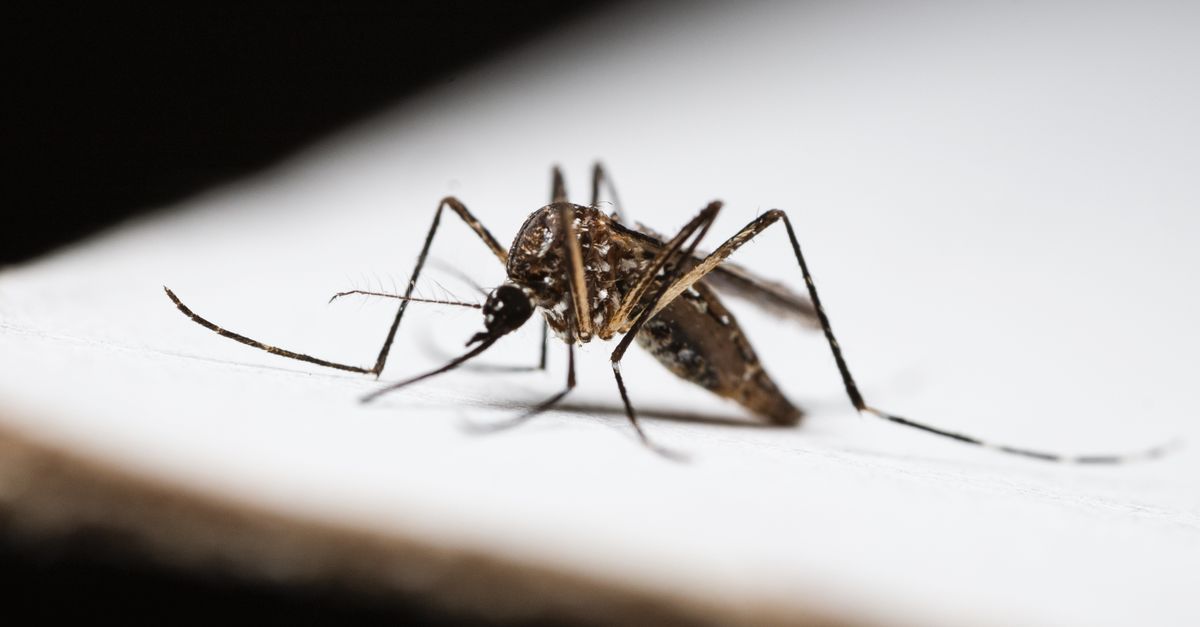
Nothing ruins a balmy British evening quite like the high-pitched whine of a mosquito in your ear. Whether you’re camping in the Lake District, enjoying a barbecue in the garden, or heading abroad on a summer holiday, a reliable mosquito repellent is non-negotiable. The UK market is flooded with options, from heavy-duty DEET formulations to modern Picaridin sprays and natural alternatives. The wrong choice can leave you smelling like a chemistry set or, worse, covered in itchy welts.
After researching dozens of products, cross-referencing manufacturer specifications, and drawing on verified purchase reviews from Amazon UK — including Sawyer Picaridin’s 4.4★ rating from over 1,200 ratings as of mid-2026 — alongside expert guidance from sources including NaTHNaC and the WHO, we’ve narrowed down the best mosquito repellents for different needs. This guide covers the strongest protection, the most pleasant to wear, and the best value for money, all available from UK retailers such as Amazon UK, Go Outdoors, and Boots.
Quick Picks: The Best Mosquito Repellents at a Glance
| Product | Active Ingredient (%) | Duration (hrs) | Approx. UK Price | Where to Buy | Best For |
|---|---|---|---|---|---|
| Sawyer Products 20% Picaridin | Picaridin 20% | Up to 8 hrs (mosquitoes) | Around £10–£15 | Amazon UK, Cotswold Outdoor | Overall best all-rounder |
| Jungle Formula Maximum Strength | DEET 50% | Up to 9 hrs | Around £8–£12 | Boots, Amazon UK, Go Outdoors | High-risk travel areas |
| Lifesystems EX4 Anti-Insect Spray | Picaridin 20% | Up to 8 hrs | Around £9–£13 | Go Outdoors, Cotswold Outdoor | Everyday UK use and light travel |
| Smidge Insect Repellent | Picaridin 20% | Up to 8 hrs | Around £8–£11 | Amazon UK, Go Outdoors, Smidge direct | UK midges and mosquitoes |
Why You Can Trust Our Recommendations
This site is a research-based review platform. We do not claim to have personally tested any product in a lab or on a hiking trip. Instead, we have conducted extensive desk research, comparing official manufacturer specifications, analysing verified customer feedback from UK retailers, and consulting guidance from trusted sources including NaTHNaC (the UK’s National Travel Health Network and Centre), the UK Health Security Agency (UKHSA), and the World Health Organization. Where duration or efficacy claims are made, they are attributed to specific manufacturer labelling, EPA registration data, or named public health guidance documents. Our goal is to provide honest, data-driven advice so you can make an informed purchase.
The UK Mosquito Situation: What You Actually Need to Know in 2026
Understanding the domestic and travel context is essential before choosing a repellent.
In the UK itself, the most common species is Culex pipiens, the common house mosquito. According to the UKHSA’s Exotic Mosquito Surveillance Programme — which has monitored for invasive species at UK ports of entry since 2012 — UK mosquitoes are not currently significant vectors of disease for the general population. Peak activity runs from around May through September, with the worst biting typically occurring at dusk and dawn in areas near standing water.
However, climate trends are shifting the picture. The UK Centre for Ecology & Hydrology has documented expanding mosquito habitats as wetter, milder winters allow populations to persist longer into autumn. The UKHSA continues to monitor for Aedes albopictus (the Asian Tiger Mosquito), which has established itself across much of Southern and Central Europe. Unlike Culex pipiens, Tiger Mosquitoes are daytime biters, meaning standard dusk-and-dawn protection strategies are insufficient for travellers to affected regions of France, Italy, Spain, and the Balkans. This matters for repellent choice: you need a longer-duration product applied in the morning, not just at sunset.
For UK travellers heading to malaria or dengue-risk zones, NaTHNaC (Travel Health Pro) recommends DEET concentrations of 20–50% or Picaridin (Icaridin) at 20%, applied to all exposed skin. Their guidance document, available at travelhealthpro.org.uk, specifies that higher-concentration DEET (50%) is appropriate for areas with significant malaria risk or heavy vector pressure. The WHO’s Guidelines for Malaria (2022, WHO/UCN/GMP/2022.01) similarly list DEET and Picaridin as first-line topical repellents for travellers.
For Scottish Highlands and midge-prone areas, Culicoides midges (technically not mosquitoes but equally maddening) require the same active ingredients. Smidge Insect Repellent, formulated specifically for Scottish conditions, is addressed in the product section below.
How to Choose the Best Mosquito Repellent for You
DEET (Diethyltoluamide)
DEET has been the gold standard for decades. It is highly effective against mosquitoes, ticks, and other biting flies. The concentration determines how long it lasts, not how potent a single application feels. According to Jungle Formula’s product labelling, their 50% DEET Maximum Strength formulation offers protection for up to 9 hours. This makes it well-suited to long days in high-risk environments. However, DEET has documented drawbacks: it can degrade synthetic fabrics and plastics, it has a strong chemical smell, and some people find it greasy or irritating on sensitive skin.
Age guidance: The NHS advises that DEET-based repellents should be used with caution on young children. Some formulations are not recommended for children under two years old — check individual product labelling and consult the NHS or a pharmacist for age-appropriate options. NaTHNaC provides specific paediatric guidance at travelhealthpro.org.uk.
Picaridin (Icaridin)
Picaridin is a newer synthetic repellent that has become the preferred choice of many outdoor specialists. It is virtually odourless, non-greasy, and — unlike DEET — does not damage plastics or synthetic fabrics, according to Sawyer Products’ own product documentation. At a 20% concentration, Sawyer’s label states protection of up to 8 hours against mosquitoes, which aligns with standard manufacturer labelling for this concentration class. It is widely considered the best balance of efficacy and wearability.
Natural Alternatives (Citronella, PMD, Eucalyptus)
Natural repellents based on citronella, lemongrass, or eucalyptus oil typically provide protection for under 2 hours and are not recommended for high-risk environments. Products containing PMD (para-menthane-3,8-diol), derived from the lemon eucalyptus tree, are the only plant-based repellent recommended by the CDC for efficacy — their guidance is available at cdc.gov/mosquitoes. Important safety note: The CDC explicitly states that PMD and OLE (oil of lemon eucalyptus) products should not be used on children under 3 years old. For serious protection in the UK or abroad, synthetic repellents remain far more reliable.
The Best Mosquito Repellents Reviewed in Detail
1. Sawyer Products 20% Picaridin Insect Repellent – The Overall Best
Best for: Anyone who wants effective, long-lasting protection without the downsides of DEET.
The Sawyer Products 20% Picaridin is widely regarded as one of the best mosquito repellents available to UK buyers. The formula is a 20% Picaridin (Icaridin) available in lotion or pump spray form, EPA-registered for safety and efficacy. Verified purchase reviewers on Amazon UK — where the product holds a 4.4★ rating from over 1,200 ratings as of mid-2026 — consistently highlight its lack of odour and non-greasy feel compared to traditional DEET sprays.
According to Sawyer Products’ own product documentation and FAQ, the formulation is safe to use on synthetic fabrics as listed in their manufacturer guidance — an important advantage for campers and hikers concerned about gear damage. The pump spray bottle is widely praised for even, controlled application.
Sawyer’s product label states protection of up to 8 hours against mosquitoes at the 20% concentration.
Price: Typically around £10 to £15 depending on retailer and bottle size, available from Amazon UK and Cotswold Outdoor. It is available in a 6oz (177ml) pump spray.
The Verdict: If you want a single repellent that works from the garden to the tropics, this is the most comfortable and well-documented option for UK buyers.
2. Jungle Formula Maximum Strength (50% DEET) – Best for High-Risk Travel
Best for: Travellers heading to malaria zones, dengue-risk regions, or anywhere with intense mosquito pressure.
Jungle Formula Maximum Strength is one of the most widely available high-DEET repellents in the UK, stocked at Boots, Go Outdoors, and Amazon UK. Its active ingredient is 50% DEET (Diethyltoluamide), and according to Jungle Formula’s product labelling, it provides protection for up to 9 hours — making it appropriate for full-day coverage in high-risk environments.
NaTHNaC’s Travel Health Pro guidance supports the use of 50% DEET for areas with significant malaria or dengue risk, and Jungle Formula Maximum Strength sits squarely within that recommended concentration range.
The trade-offs are well-documented: DEET at this concentration can degrade certain plastics, synthetic fabrics, and coatings, so avoid contact with watch straps, synthetic clothing, and tent materials. The scent is noticeable and the texture heavier than Picaridin alternatives.
Age guidance: Check Jungle Formula’s labelling for age restrictions. The NHS recommends caution with DEET in young children, and some formulations are not suitable for children under two years old.
Price: Typically around £8 to £12 for a standard spray, widely available at Boots, Amazon UK, and Go Outdoors.
The Verdict: The go-to choice for serious travel to high-risk destinations. Less comfortable for everyday UK use than Picaridin alternatives, but unmatched for maximum-duration coverage.
3. Lifesystems EX4 Anti-Insect Spray – Best for Everyday UK Use and Light Travel
Best for: UK summers, European travel, and anyone wanting a widely available Picaridin option from a recognised British outdoor brand.
Lifesystems EX4 Anti-Insect Spray uses 20% Picaridin (Icaridin) as its active ingredient, as listed on the Lifesystems product page. It is stocked by Go Outdoors and Cotswold Outdoor, giving it strong UK retail availability. Like other 20% Picaridin formulations, it provides protection of up to 8 hours against mosquitoes per the manufacturer’s labelling, is non-greasy, virtually odourless, and safe on synthetic fabrics and plastics.
Lifesystems is a well-established British outdoor brand, and the EX4 is a straightforward, no-compromise Picaridin option for buyers who want a recognisable UK retailer product rather than importing Sawyer from the US.
Price: Typically around £9 to £13 for a standard spray, available at Go Outdoors and Cotswold Outdoor.
The Verdict: An excellent alternative to Sawyer for buyers who prefer purchasing from UK outdoor retailers directly. Identical active ingredient and concentration, strong retail availability.
4. Smidge Insect Repellent – Best for UK Midges and Mosquitoes
Best for: Walkers, campers, and outdoor enthusiasts in Scotland and other midge-prone parts of the UK.
Smidge is a Scottish-made insect repellent that has earned a strong following among UK outdoor users, particularly those tackling the Scottish Highlands where Culicoides midges can be relentless. Its active ingredient is 20% Picaridin (Icaridin), as listed on the Smidge manufacturer product page, and it is specifically formulated and marketed for UK conditions including midges, mosquitoes, and clegs (horseflies).
Smidge is notably absent from US-centric repellent guides like Wirecutter, which gives it genuine information value for UK buyers. It is widely stocked across UK outdoor retailers including Go Outdoors and Amazon UK, and is available directly from the Smidge website. Owner reviews on Amazon UK frequently cite its effectiveness in Scottish Highland conditions and its pleasant, non-intrusive scent compared to DEET alternatives.
Per the manufacturer’s labelling, Smidge provides protection for up to 8 hours and is safe on synthetic fabrics and plastics — consistent with 20% Picaridin formulations generally.
Price: Typically around £8 to £11 for a standard spray, available from Amazon UK, Go Outdoors, and direct from the Smidge website.
The Verdict: The most relevant UK-specific repellent recommendation on this list. If you are walking or camping anywhere in the British Isles, particularly Scotland, Smidge deserves serious consideration.
Frequently Asked Questions
Is DEET safe to use on skin? Yes, when used as directed. DEET has been approved for skin use by regulatory bodies including the EPA and the UK HSA for decades. The NHS recommends avoiding high-concentration DEET on young children and advises applying to clothing rather than directly to the face. Always follow individual product labelling for age and application guidance.
What percentage DEET do I need for malaria areas? NaTHNaC (Travel Health Pro) recommends DEET concentrations of 20–50% for areas with malaria or dengue risk. Their guidance, available at travelhealthpro.org.uk, specifies that 50% DEET is appropriate for high-risk zones with significant vector pressure. A 20% Picaridin formulation is considered an equivalent alternative by the same guidance.
Is Picaridin better than DEET? For most users, 20% Picaridin offers comparable protection duration to high-concentration DEET — up to 8 hours against mosquitoes per manufacturer labelling — with a significantly more comfortable wear experience: no strong odour, no greasy texture, and no damage to synthetic fabrics or plastics. For the highest-risk travel environments, 50% DEET remains a well-documented choice supported by NaTHNaC guidance.
Can I use mosquito repellent on children? This depends on the active ingredient and concentration. The CDC explicitly states that PMD (para-menthane-3,8-diol) and OLE products should not be used on children under 3 years old. The NHS advises caution with DEET-based repellents for children under two years old. Always check individual product labelling and consult a pharmacist or GP for children’s repellent choices. NaTHNaC provides specific paediatric travel health guidance at travelhealthpro.org.uk.
Do mosquito repellents work against midges in Scotland? Yes. The same active ingredients — DEET and Picaridin — that repel mosquitoes are effective against Culicoides midges. Smidge Insect Repellent (20% Picaridin) is specifically formulated and marketed for Scottish Highland conditions and is one of the most frequently recommended options in UK outdoor communities for midge protection.