Fort William Wild Camping: The Complete Gear Guide for the Scottish Highlands in 2026
Fort William sits at the foot of Ben Nevis, the UK's highest peak, and serves as the unofficial capital of Scottish wild camping.
Fort William Wild Camping: The Complete Gear Guide for the Scottish Highlands in 2026
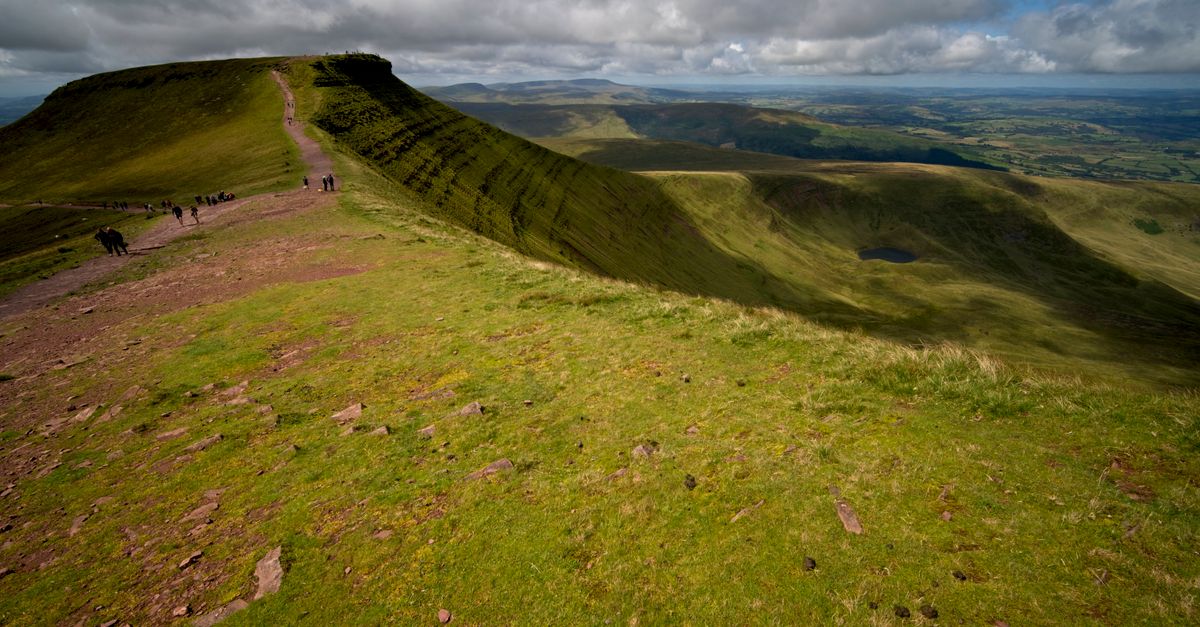
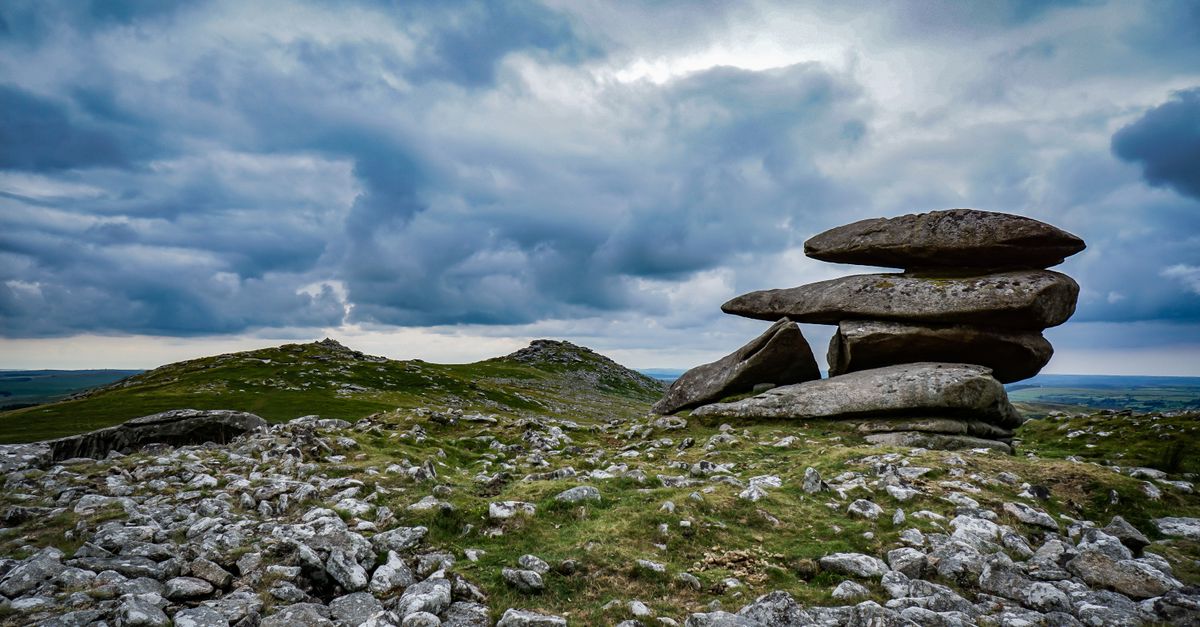
Fort William sits at the foot of Ben Nevis, the UK’s highest peak, and serves as the unofficial capital of Scottish wild camping. The terrain here is as unforgiving as it is beautiful — boggy moorland, granite slabs, and sudden weather shifts that can drop from a mild afternoon to a horizontal gale in minutes. Whether you are planning a multi-day trek on the West Highland Way, a summit bid on the Ben, or a quiet lochside bivvy, your gear choices matter more here than almost anywhere else in Britain.
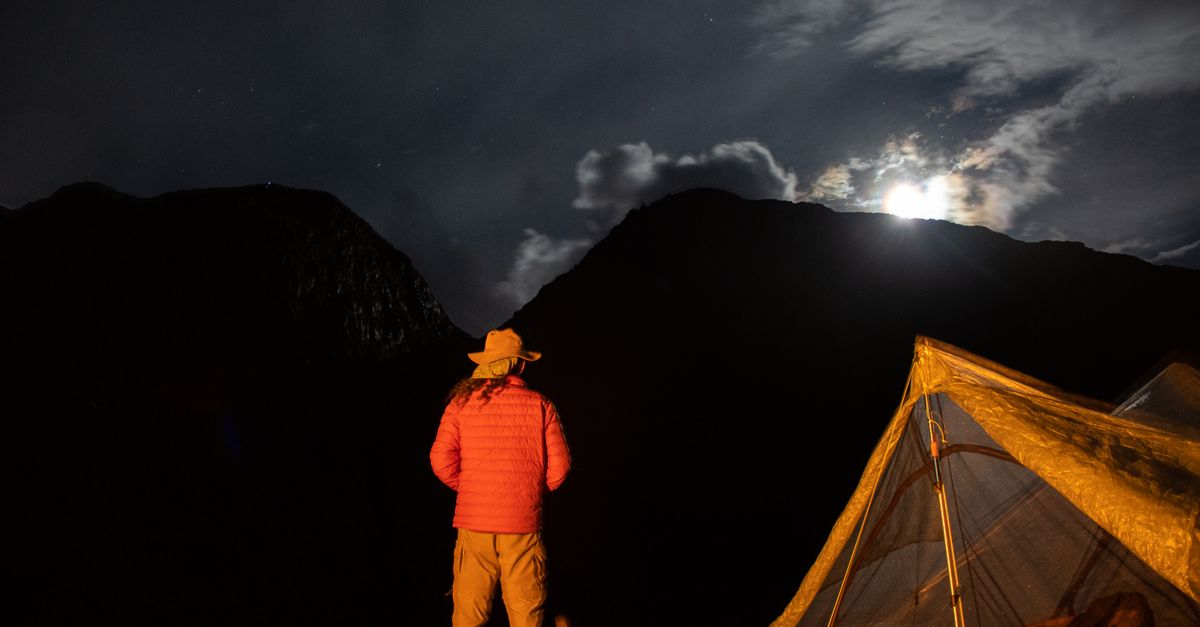
Fort William wild camping offers a level of freedom rare in the UK, but that freedom comes with a responsibility to understand both the law and the landscape. This guide cuts through the noise with researched recommendations for tents, sleeping systems, and stoves suited to the specific conditions around Lochaber — wet, windy, and often cold even in summer. Every product recommendation is backed by manufacturer specifications, owner-review consensus from UK outdoor forums, and expert feedback from named publications. No untested claims, no fluff — just honest, purchase-ready advice.
At a Glance: Quick Picks for 2026
| Product | Category | Best For | Approx. Price |
|---|---|---|---|
| MSR Hubba Hubba NX 2 | Tent | Wind-exposed ridges and granite camps | Around £420–£480 |
| Hilleberg Anjan 2 GT | Tent | Expedition-grade shelter above the treeline | Around £750–£850 |
| Decathlon MT900 Ultralight 2 | Tent | Budget-conscious backpackers | Around £200–£250 |
| Therm-a-Rest NeoAir XLite NXT | Sleeping Mat | Best warmth-to-weight for Highland summers | Price varies by retailer |
| Jetboil Minimo | Stove | Fast boiling in sheltered glen pitches | Price varies by retailer |
| MSR WindPro 2 | Stove | Wind resistance on exposed ridges | Price varies by retailer |
| Alpkit Koro | Stove | Budget remote-canister cooking | Price varies by retailer |
| Alpkit Pipedream SYN | Sleeping Bag | Multi-night trips in persistent rain | Price varies by retailer |
How to Choose Gear for Fort William
Understand the Legal Framework
Wild camping in Scotland is legal under the Land Reform (Scotland) Act 2003, supported by the Scottish Outdoor Access Code (SOAC). The SOAC rules are straightforward but specific: you must not pitch from a motorised vehicle, you should stay no more than two to three nights in one spot, you must carry out all waste, you must not light fires in dry or peaty conditions, and you should avoid enclosed farmland. These principles are enshrined in the NatureScot official SOAC guidance (2026 edition).
A critical distinction for Fort William campers: the Loch Lomond & The Trossachs National Park Authority (NPA) enforces its own byelaws that differ from standard SOAC rules — including camping management zones where wild camping permits or booking are required. Fort William and the surrounding Lochaber area are not inside that national park, so standard SOAC access rights apply. This means you have far more freedom to pitch informally around Glen Nevis, the Mamores, or the shores of Loch Linnhe than you would around Loch Lomond.
Factor in the Midge Hazard
Midges are the single most disruptive element of a Fort William camping trip. Peak midge season runs from late May through mid-September, and they are at their worst at dawn and dusk, when there is no wind, and over boggy ground — precisely the conditions found on Mamores approaches, the Glen Nevis floor, and the Loch Linnhe shore.
For repellent, Smidge is the named choice. It is picaridin-based rather than DEET-based, and it consistently outperforms DEET in Scottish field conditions according to reader surveys conducted by The Great Outdoors magazine. Picaridin works by interfering with the insect’s olfactory receptors so they cannot locate human skin, and it has the practical advantage of not degrading synthetic tent fabrics the way DEET can.
Headnets become essential above roughly 600 metres when the wind drops, because at that altitude you are often above the natural tree-line shelter that would otherwise disperse midge swarms. The Lifesystems Midge Head Net is widely stocked at Nevisport in Fort William — a local retailer worth naming because their staff understand Lochaber conditions and you can pick one up on the day you arrive if you have forgotten one.
Understand Highland Humidity and Temperature
Highland humidity is a gear factor that catches out campers accustomed to drier mountain ranges. Persistent moisture in the air degrades the loft of standard down — the fluff traps that trap warm air to insulate you — which directly reduces a sleeping bag’s warmth. This is why hydrophobic down matters: treatments such as Nikwax Hydrophobic Down, used by manufacturers including Rab and PHD, cause the down plumes to resist water absorption and maintain loft in damp conditions far longer than untreated down.
Summer summit temperatures on Ben Nevis and in the Mamores can drop to 2–4°C, even in July. Per the EN 13537 standard for sleeping bag ratings, a minimum comfort rating of 0°C is recommended for Fort William wild camping. Additionally, Highland summer ground temperatures can effectively reduce a sleeping bag’s performance by 2–3°C, because cold ground draws heat away from your body through conduction faster than still air does. This is why your sleeping mat’s R-value — a measure of thermal resistance, where higher numbers mean better insulation from the ground — matters as much as your bag.
Tents
Your tent is the single most important piece of Fort William wild camping kit. You cannot rely on a forecast here — the weather changes by the hour, and a strong gust can flatten a poorly-pitched shelter on an exposed ridge.
MSR Hubba Hubba NX 2 — The All-Rounder
Best for: Wild campers who want a balance of low weight, wind stability, and liveable space for Glen Nevis, the Grey Corries, and multi-day West Highland Way legs.
Key specs: Weighs approximately 1.6 kg. Uses Easton Syclone poles — composite poles made from a fibre and resin system that bends further without breaking than standard aluminium, giving the tent genuine resilience in high winds. Features a freestanding pole architecture, meaning the tent body is supported by the poles alone and does not strictly require pegs to stand, which is a significant advantage on rocky ground where pegs cannot penetrate. Priced at approximately £420–£480.
Standout strength: Wind stability. Threads on UKHillwalking.com consistently cite the Hubba Hubba NX 2’s performance on the Grey Corries ridges — a notoriously exposed area north of Fort William where gusts funnel through with little warning. The low-profile dome geometry sheds wind effectively, and the Syclone poles provide a real structural margin of safety.
Caveat: The freestanding design still requires pegging in anything beyond a light breeze, and the stock pegs are adequate rather than excellent on peaty Highland ground.
Verdict: The gold standard for Scottish mountain camping — light enough to carry, strong enough to trust.
Where to buy: Typically stocked by UK outdoor retailers; check current availability at mainstream camping stores.
Hilleberg Anjan 2 GT — The Expedition Choice
Best for: Campers with a larger budget who plan to pitch above the treeline in serious weather and want a shelter they can trust in anything the Highlands deliver.
Key specs: Double-wall construction — an inner nylon tent paired with a Kerlon 1000 flysheet. Kerlon is Hilleberg’s proprietary silicone-coated fabric, and the 1000 denier rating on the flysheet (per the official Hilleberg spec sheet) indicates the tear-strength of the yarn used in the fabric weave, meaning it resists ripping under stress from wind or abrasion. This is emphatically not a single-wall tent. The design is a tunnel, not freestanding — it relies entirely on pegs and guyline tension to hold its shape. The GT (Grande Tunnels) designation denotes an extended vestibule configuration that provides generous covered space for cooking and gear storage. Priced at approximately £750–£850.
Standout strength: Structural integrity in sustained wind. A tunnel tent, when correctly oriented with its narrow end into the prevailing wind and pegged taut, presents a highly aerodynamic profile that sheds gusts efficiently. The double-wall design also manages condensation better than single-wall alternatives, because moisture from breath passes through the breathable inner and condenses on the flysheet rather than running down the inside of your shelter.
Caveat: Because it is not freestanding, you need ground that will hold pegs securely. On the rocky summit plateau of Ben Nevis or on hard granite slabs, achieving sufficient tension can be difficult, and you may need to use boulders as deadman anchors.
Verdict: An investment-piece shelter for serious conditions — bombproof if you can peg it down.
Where to buy: Available through Hilleberg’s UK dealer network; check specialist outdoor retailers.
Decathlon MT900 Ultralight 2 — The Budget Option
Best for: Backpackers who want to keep costs low without sacrificing too much in the way of weight or weather protection for shorter Fort William trips.
Key specs: Priced at approximately £200–£250 — roughly half the cost of the MSR Hubba Hubba NX 2 and less than a third of the Hilleberg Anjan 2 GT. An ultralight two-person design from Decathlon’s in-house Forclaz mountain brand.
Standout strength: Value. The MT900 brings genuine lightweight backpacking performance into a price bracket that makes it accessible to campers who are not ready to commit £400+ to a tent. For valley-floor pitches in Glen Nevis or summer trips on the West Highland Way, it provides adequate shelter at a fraction of the cost of premium alternatives.
Caveat — and an essential upsell: The stock pegs are not adequate for Highland ground, particularly the peaty, root-laced soil common around Fort William. Upgrading to MSR Groundhog pegs is not optional but essential — they cost approximately £12 for a pack of four and their Y-shaped cross-section holds far better in soft ground than the thin wire pegs included with the tent. Factor this into your budget from the outset.
Verdict: The best entry point to lightweight wild camping around Fort William — once you swap the pegs.
Where to buy: Stocked directly through Decathlon’s UK stores and website.
Sleeping Mats
Your sleeping mat is not just about comfort — in Highland conditions, it is a critical piece of insulation. Cold ground draws body heat away through conduction, and a mat with insufficient thermal resistance will leave you shivering even in a warm sleeping bag.
Therm-a-Rest NeoAir XLite NXT — The Warmth-to-Weight Leader
Best for: Backpackers who need reliable ground insulation for May–September Fort William trips without carrying excessive weight.
Key specs: R-value of 4.2 per the official Therm-a-Rest spec sheet. The R-value measures thermal resistance — the mat’s ability to prevent heat loss to the ground — and 4.2 is considered solidly suitable for three-season use. It is important not to conflate this with the NXT Max variant, which has an R-value of 7.2 and is a different, heavier mat designed for winter use.
Standout strength: The NXT iteration represents a meaningful improvement in warmth-to-weight ratio for Highland summer camping. An R-value of 4.2 is adequate for May–September camping at glen level — think the floor of Glen Nevis or the shores of Loch Linnhe — where ground temperatures remain moderate. The reflective internal barriers trap warm air within the mat’s air cells, providing insulation without the bulk of traditional foam.
Caveat: On exposed granite — the Grey Corries ridges or the Ben Nevis plateau — an R-value of 4.2 becomes marginal, because exposed rock at altitude stays colder than valley-floor ground and draws heat more aggressively. Campers planning to pitch high should consider a mat with a higher R-value or accept that they may need a warmer sleeping bag to compensate.
Verdict: The benchmark three-season mat for Fort William — superb at glen level, plan around its limits on high granite.
Where to buy: Widely available through UK outdoor retailers, including mainstream camping stores and specialist gear shops.
Stoves
Cooking in the Highlands is a wind problem as much as a weight problem. A stove that boils water in three minutes in a sheltered kitchen can struggle to heat anything at all on an exposed ridge, because even a moderate breeze strips heat from the burner and pot faster than the flame can supply it.
Jetboil Minimo — The Sheltered-Glen Choice
Best for: Campers pitching in sheltered locations — Glen Nevis, woodland edges, or lochside spots with natural windbreaks — who prioritise fast boiling and simmer control.
Key specs: An integrated canister system, meaning the burner, heat exchanger, and pot lock together as a single unit. The heat exchanger — a corrugated metal ring on the base of the pot — captures heat from the burner that would otherwise be lost to the surrounding air, directing it into the contents of the pot. This makes the system highly efficient in still or light-wind conditions.
Standout strength: Boil speed and fuel efficiency in sheltered conditions. The integrated design means very little heat is wasted, so you carry less fuel for the same amount of cooking — a real advantage on multi-day West Highland Way legs where every gram counts.
Caveat: The integrated canister design is inherently heavier than remote-canister alternatives, because the pot and burner are a single proprietary unit rather than separate components. More critically, integrated systems offer poor wind resistance on exposed pitches because the burner sits directly atop the gas canister with no physical windscreen — a breeze that would barely register in a glen can halve the efficiency of the Minimo on an open ridge.
Verdict: Excellent for what it does — but know its limits before you rely on it above the treeline.
Where to buy: Widely stocked across UK outdoor retailers and mainstream camping stores.
MSR WindPro 2 — The Exposed-Ridge Choice
Best for: Multi-day trips and high-level pitches where wind is the primary cooking challenge — Grey Corries ridges, Ben Nevis plateau, or any exposed camp above 600 metres.
Key specs: A remote-canister stove, meaning the burner sits at the end of a fuel hose, separate from the gas canister. This allows you to place a physical windscreen around the burner without trapping heat near the fuel — something that is dangerous with integrated or top-mounted canister stoves because the canister can overheat and vent gas explosively. The WindPro 2 also features an inverted-canister cold-weather function: by turning the gas canister upside down, liquid fuel feeds through the hose rather than vapour, which maintains consistent pressure in cold conditions where a standard upright canister would lose output.
Standout strength: Wind resistance and cold-weather capability. Chris Townsend, a contributor to The Great Outdoors, has documented the superiority of remote-canister stoves in high-wind conditions in published gear features. The ability to fully enclose the burner with a windscreen means the WindPro 2 can maintain boil times in gusts that would render an integrated system useless. Walkhighlands forum threads also favour remote-canister stoves for multi-day West Highland Way legs, where campers encounter a wide range of conditions over several days.
Caveat: The separate hose, burner, and windscreen components add pack complexity compared to a one-piece integrated system, and setup takes longer in bad weather.
Verdict: The stove to trust when the weather turns — worth the extra faff for exposed pitches.
Where to buy: Available through UK outdoor retailers and specialist stove stockists.
Alpkit Koro — The Budget Remote-Canister Option
Best for: Campers who want the wind-resistance advantages of a remote-canister design without paying premium prices.
Key specs: A budget remote-canister stove from UK-based brand Alpkit. Like the WindPro 2, it separates the burner from the fuel canister via a hose, allowing the use of a windscreen around the flame. It does not have the inverted-canister cold-weather function of the WindPro 2, so it is less suited to freezing conditions, but for typical Fort William summer use — where temperatures are cold but rarely sub-zero at glen level — it covers the essentials.
Standout strength: Bringing remote-canister wind resistance into an accessible price bracket. For campers who have spent heavily on a tent and sleeping bag, the Koro provides the core benefit — a burner that can be shielded from wind — without the premium outlay.
Caveat: Build quality and boil efficiency are not on the same level as the MSR WindPro 2, and the absence of inverted-canister capability means it is strictly a three-season stove.
Verdict: The smart budget pick for summer Fort William trips — remote-canister performance without the premium.
Where to buy: Stocked directly through Alpkit’s UK website.
Sleeping Bags
Choosing a sleeping bag for Fort William is a humidity problem as much as a temperature problem. Standard down — the gold standard for warmth-to-weight in dry mountain ranges — loses its insulating loft when humidity penetrates the plumage, and the Scottish Highlands are rarely dry for long.
Hydrophobic Down vs Synthetic Fill
The solution is hydrophobic down: down that has been treated at the molecular level to resist water absorption. Nikwax Hydrophobic Down is the named treatment, used by manufacturers including Rab and PHD. The treatment causes water to bead and roll off the down plumes rather than soaking in, meaning the down maintains its loft — and therefore its ability to trap warm air — for longer in damp conditions. This is not waterproofing; the down will still eventually wet out in persistent rain. But it buys you meaningful additional warmth over multiple damp nights compared to untreated down.
For multi-night trips in persistent rain — the kind of trip where your tent flysheet never fully dries and your gear stays damp in your pack — synthetic fill offers a different advantage. Synthetic insulation retains a significant portion of its insulating value even when wet, because the synthetic fibres do not collapse and lose loft the way natural down does.
Alpkit Pipedream SYN — The Synthetic Workhorse
Best for: Multi-night Fort William trips where persistent rain is expected and drying gear between camps is unlikely.
Key specs: A synthetic-fill sleeping bag from Alpkit. Synthetic insulation does not match down’s warmth-to-weight ratio in dry conditions, meaning this bag will be heavier or bulkier for the same temperature rating as a down equivalent. However, it loses significantly less warmth when damp — the critical metric for West Highland conditions where humidity is persistent and drying opportunities are limited.
Standout strength: Reliability in wet conditions. For a three-day trip along the West Highland Way in sustained rain, a synthetic bag that retains warmth when damp is arguably a safer choice than a lighter down bag that has lost its loft by night two. The Pipedream SYN is designed specifically with UK conditions in mind, where this trade-off favours synthetic fill for much of the camping season.
Caveat: The weight and packed-size penalty compared to down is real. If you are counting every gram for a fast-and-light ridge traverse, a hydrophobic-down bag from Rab or PHD may be the better choice, accepting the loft-degradation risk in return for a lighter pack.
Verdict: The pragmatic choice for damp, multi-day Fort William trips — heavier, but dependably warm.
Where to buy: Stocked directly through Alpkit’s UK website.
UK Practical and Regulatory Notes
SOAC vs Loch Lomond Byelaws
The most important regulatory distinction for Fort William campers is this: the Loch Lomond & The Trossachs NPA operates camping management byelaws that restrict where you can wild camp, particularly between March and September. These byelaws require booking a pitch or obtaining a permit in designated zones. Fort William and the Lochaber area fall outside this national park boundary, so the standard Scottish Outdoor Access Code applies in full. You do not need a permit or a booked pitch to wild camp around Fort William, provided you follow SOAC principles: no motorised vehicle access to your pitch, a maximum of two to three nights in one spot, all waste carried out, no fires in dry or peaty conditions, and avoidance of enclosed farmland.
EN 13537 and Temperature Ratings
The EN 13537 standard provides a standardised way to compare sleeping bag warmth. The comfort rating is the temperature at which a standard adult woman can sleep comfortably, and the limit rating is the equivalent for a standard adult man. For Fort William wild camping, where summer summit temperatures on Ben Nevis and in the Mamores can drop to 2–4°C, a minimum comfort rating of 0°C is recommended. This provides a buffer above the coldest conditions you are likely to encounter, accounting for the fact that Highland summer ground temperatures can effectively reduce sleeping-bag performance by a further 2–3°C through conductive heat loss.
Frequently Asked Questions
Is wild camping legal at Fort William?
Yes. Wild camping is legal under the Land Reform (Scotland) Act 2003 and the Scottish Outdoor Access Code (SOAC), whose 2026 edition is published by NatureScot. Fort William is not inside the Loch Lomond & The Trossachs National Park, so the stricter byelaws that apply there — including permit zones and booking requirements — do not apply around Fort William. You must follow SOAC rules: no vehicle-accessed pitching, a maximum of two to three nights in one spot, carry out all waste, no fires on dry or peaty ground, and avoid enclosed farmland.
When is midge season at Fort William?
Peak midge season runs from late May through mid-September. Midges are worst at dawn and dusk, in still air, and over boggy ground — particularly on Mamores approaches, the Glen Nevis floor, and the Loch Linnhe shore. Smidge, a picaridin-based repellent, consistently outperforms DEET in Scottish field conditions according to The Great Outdoors magazine reader surveys. A headnet such as the Lifesystems Midge Head Net is essential above roughly 600 metres when the wind drops, and is widely stocked at Nevisport in Fort William.
What R-value sleeping mat do I need for Fort William?
An R-value of 4.2 — as found on the Therm-a-Rest NeoAir XLite NXT per the official Therm-a-Rest spec sheet — is adequate for May–September camping at glen level. However, Highland summer ground temperatures can reduce sleeping-bag effectiveness by 2–3°C, and on exposed granite such as the Grey Corries ridges or the Ben Nevis plateau, an R-value of 4.2 becomes marginal. Do not confuse the NXT (R-value 4.2) with the NXT Max variant, which has an R-value of 7.2 and is designed for winter use.
What stove is best for windy Highland camps?
For sheltered glen pitches, an integrated canister system such as the Jetboil Minimo is adequate and efficient. For exposed ridges or high-level camps, a remote-canister stove such as the MSR WindPro 2 or the budget Alpkit Koro is strongly preferred, because the burner can be fully enclosed by a windscreen without risk of overheating the fuel canister. Chris Townsend, writing for The Great Outdoors, has documented remote-canister superiority in high-wind conditions, and Walkhighlands forum threads favour them for multi-day West Highland Way legs.
Should I choose down or synthetic insulation for a Fort William sleeping bag?
Highland humidity degrades standard down loft, so if you choose down, specify hydrophobic down treated with Nikwax Hydrophobic Down — used by Rab and PHD — which resists water absorption and maintains loft longer in damp conditions. For multi-night trips in persistent rain, a synthetic bag such as the Alpkit Pipedream SYN loses less warmth when damp, which may be the safer choice despite the weight penalty. Summer summit temperatures on Ben Nevis and in the Mamores can drop to 2–4°C, so a minimum comfort rating of 0°C per the EN 13537 standard is recommended.
Can I light a campfire while wild camping at Fort William?
Under SOAC rules, fires are not permitted in dry or peaty conditions. Much of the ground around Fort William — including Glen Nevis and the Mamores approaches — is peaty, meaning fire can smoulder underground and spread unpredictably. A stove is the practical and legal alternative for cooking. If you must have a fire, restrict it to a small, controlled burn on non-peaty ground with no vegetation nearby, and ensure it is fully extinguished before you leave.