Best Gas Stove Tops (Gas Hobs) in 2026: Expert UK Buyer's Guide
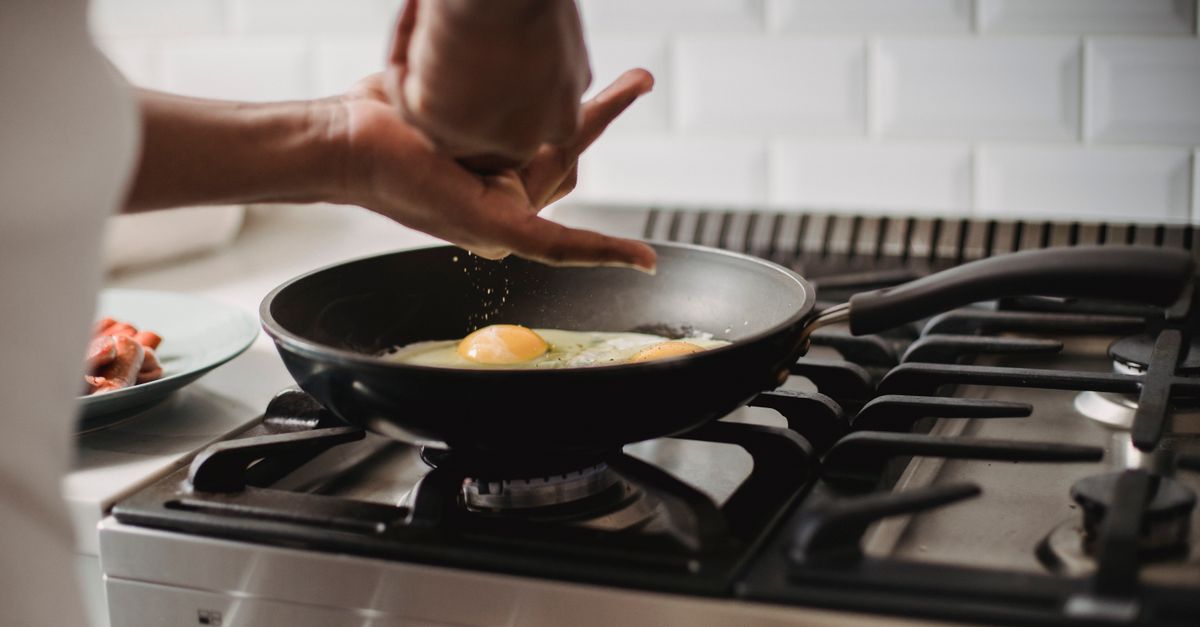
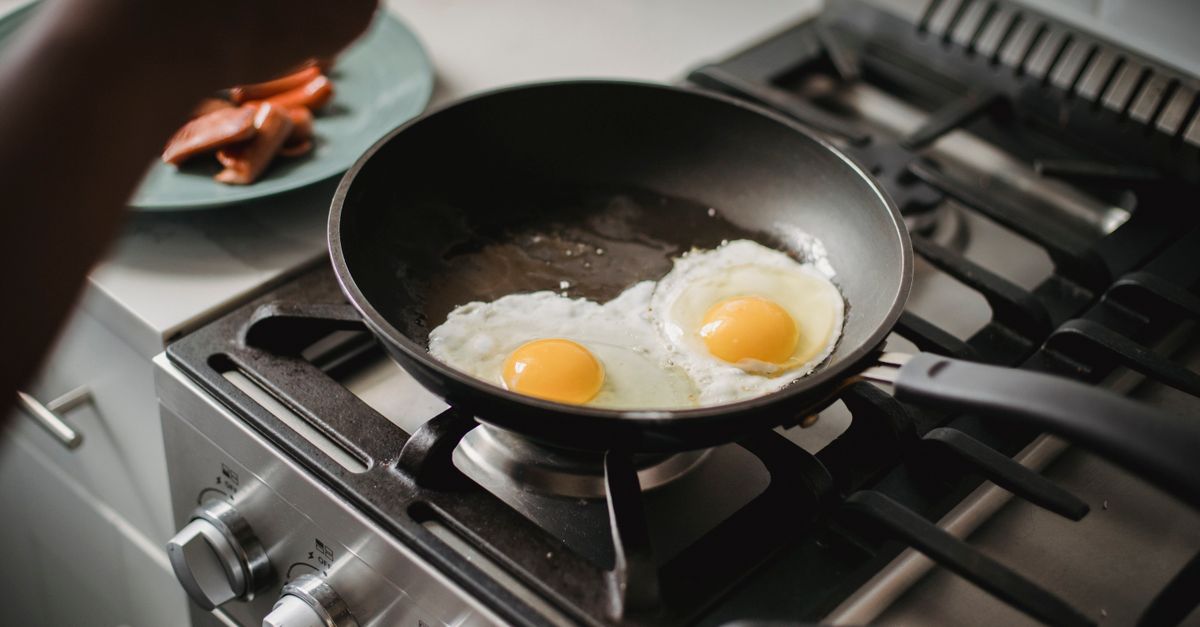
If you're serious about cooking, few things rival the instant, visible heat of a gas stove top.
Best Gas Stove Tops (Gas Hobs) in 2026: Expert UK Buyer’s Guide
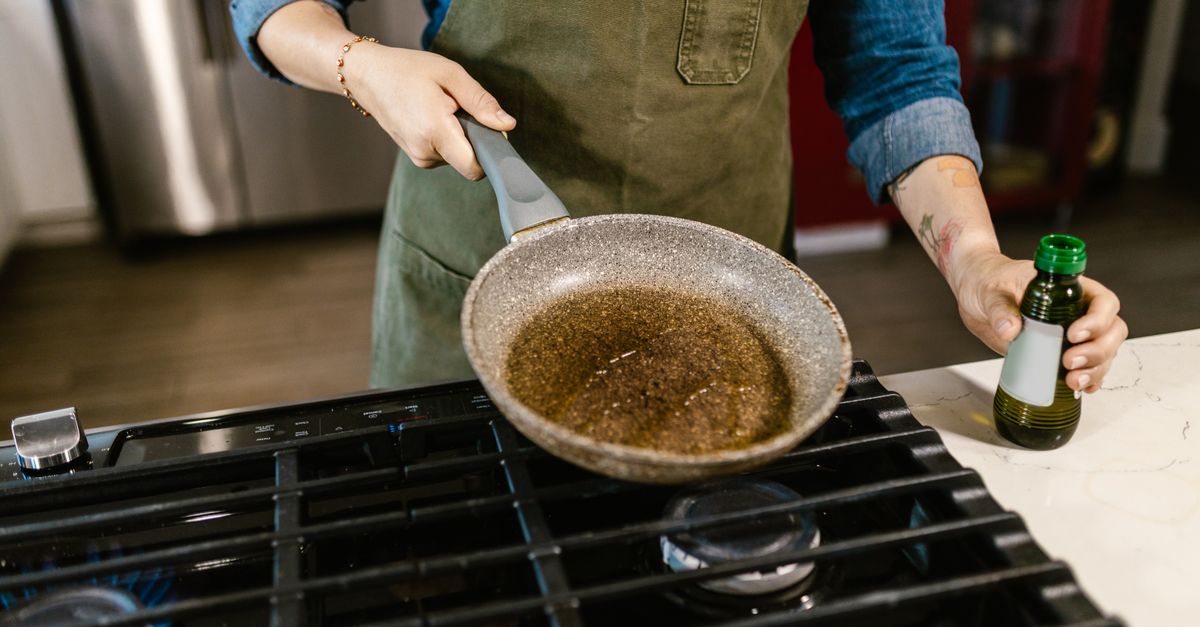
If you’re serious about cooking, few things rival the instant, visible heat of a gas stove top. For UK buyers, the phrase “gas stove top” is simply the American terminology for what is universally sold in Britain as a gas hob — and this guide covers exactly that category, translating US-origin research and models into the UK-specific context that actually matters when you’re standing in a kitchen showroom or clicking “buy” online.
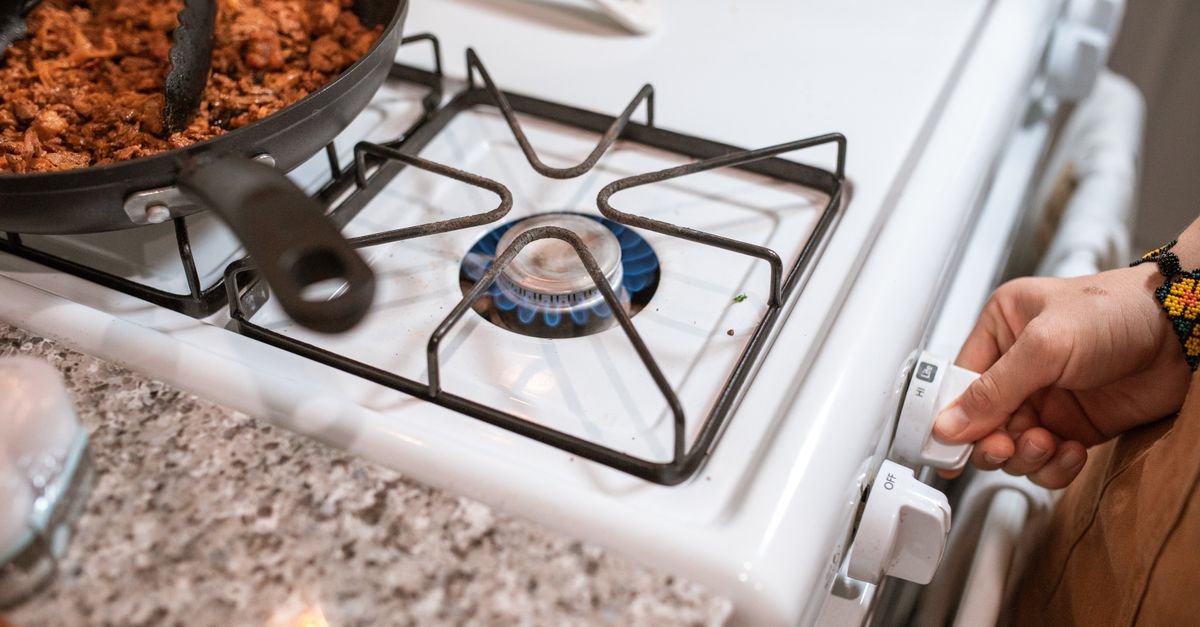
Gas remains the fuel of choice for committed home cooks because it offers immediate visual feedback: turn the dial and the flame responds in real time, with no lag while a heating element warms up or cools down. It also works with every pan material you already own — cast iron, stainless steel, copper, aluminium, non-stick — with no need for the magnetic compatibility that induction demands. Whether you’re upgrading a tired rental kitchen, fitting out a new self-build, or replacing a failed freestanding cooker, the right gas hob is a decision that shapes every meal you cook for the next decade.
This guide compares standout models from Wolf, Neff, and Samsung — covering everything from sub-£350 value picks to £3,000 professional-grade cooktops — while explaining the UK safety regulations, installation requirements, and running costs that determine which model is genuinely right for your kitchen.
Quick Picks
| Product | Best For | Approximate Price |
|---|---|---|
| Wolf ICBCG304C | Serious home chefs wanting pro-grade power and build | Around £2,500–£3,000 |
| Neff N70 T26DS49N0 | Precision control on a budget; best value under £500 | Around £400–£500 |
| Samsung NZ64B3604EK | Modern kitchens wanting easy-clean gas-on-glass | Around £280–£350 |
Why Choose a Gas Stove Top?
Instant Heat Control
Gas responds the moment you turn the knob. The flame shrinks or grows immediately, which makes delicate tasks — holding a sauce at a whisper-thin simmer or rapidly bringing a large pot of water to the boil — far more intuitive than on a ceramic electric hob, where the glass retains heat and continues cooking your food even after you’ve dialled it down. This thermal lag is the single most common reason cooks cite for preferring gas.
Works with Any Cookware
Induction hobs require ferromagnetic pans — if a magnet doesn’t stick to the base, the hob won’t heat it. Gas has no such restriction. Every piece of cookware in your cupboard, from a thin non-stick omelette pan to a heavy Le Creuset casserole dish, works on a gas flame. If you’re switching from induction, that means no hidden cost in replacing your existing pans.
The Power-Cut Caveat — What Most Guides Get Wrong
Many buying guides repeat the claim that gas hobs keep working during a power cut because they run on mains gas. This is only partially true, and the correction matters. Most modern gas hobs sold in the UK are fitted with Flame Supervision Devices (FSDs), which use a thermocouple and a safety solenoid to cut the gas supply if the flame goes out. On these models, both the safety solenoid and the electronic ignition system require mains electricity to function. Without power, gas will not flow at all. Only older manual-ignition hobs — which lack FSDs and can be lit by holding a match to the burner while turning the gas tap — continue to work in a blackout. Since FSDs have been mandatory on all new UK gas hob installations since 2008 (more on this below), virtually every hob you can buy new in 2026 will not function without electricity.
Running Costs: The Real Gas vs Electricity Gap
Gas is substantially cheaper per unit than electricity in the UK — and the gap is far wider than many comparison articles suggest. Per Ofgem’s January 2026 price cap announcement, the gas unit rate sits at approximately 7p/kWh, while electricity is approximately 24p/kWh. That is not a marginal difference; it means gas costs roughly a third as much as electricity per kilowatt-hour of energy delivered to your hob. Over years of daily cooking, this running-cost advantage compounds, particularly for households that do a lot of slow simmering or extended boiling. It is worth noting that gas hobs are less energy-efficient than induction at transferring heat to the pan (some heat escapes around the sides of the cookware), so the real-world saving is not as dramatic as the raw unit-rate gap implies — but gas remains comfortably cheaper to run per cooking session.
What to Look for in a Gas Stove Top
Burner Power and Layout
Burner output, measured in kilowatts (kW), is the single most important specification. A standard domestic burner typically delivers around 1.75–3 kW, which is adequate for everyday frying, simmering, and boiling. A dedicated wok burner — the large central or rear burner designed for high-heat stir-frying and rapid boiling — should deliver at least 3 kW, with 4 kW being ideal for serious wok work. At the other end, a small auxiliary burner rated at around 1 kW is useful for gentle simmering, melting chocolate, or keeping a sauce warm without splitting it.
Look at the physical layout too: burners spaced too closely together make it impossible to use two large pots simultaneously, while a wok burner positioned at the front gives better access for tossing a pan.
Safety Features
The non-negotiable safety feature in the UK is the Flame Supervision Device (FSD). This is a small sensor positioned next to each burner that detects whether the flame is lit. If the flame blows out — for example, from a draught or a boiling-over pot — the FSD triggers a solenoid valve that shuts off the gas supply within seconds, preventing a dangerous build-up of unburned gas. FSDs have been mandatory under BS EN 30-1-1 for all new UK gas hob installations since 2008, so any compliant model you buy in 2026 will have them. Some models add extra safety layers such as auto-shutoff timers and control-panel lock functions.
Ease of Cleaning
Traditional gas hobs with exposed burner wells and heavy cast-iron pan supports are notoriously fiddly to clean, as spillages collect around the burners and bake on. Gas-on-glass hobs — where the burners sit on top of a smooth ceramic glass surface — are significantly easier to wipe down, as spilt liquids can’t seep into recessed wells. Look for dishwasher-safe pan supports (typically enamelled cast iron) and sealed burner caps that prevent food debris from entering the gas jet area.
Width and Fit
Standard UK gas hobs come in 60 cm (600 mm) or 90 cm (900 mm) widths, designed to slot into a standard kitchen worktop cutout. Professional-grade cooktops may use non-standard widths — the Wolf model covered below, for instance, is designed for a specific cutout that requires careful measurement before purchase. Always verify the exact cutout dimensions against your worktop before ordering, as returning a fitted appliance is rarely straightforward.
UK Regulations and Installation: What You Must Know
Flame Supervision Devices — Mandatory Since 2008
As noted above, FSDs are required under BS EN 30-1-1 for all new UK gas hob installations. This is not a recommendation or a premium feature — it is a legal requirement. Any gas hob sold in the UK without FSDs on every burner does not comply with current regulations and should not be installed. This is the mechanism that cuts the gas supply if a flame is extinguished, preventing gas leaks that could lead to fire or carbon monoxide poisoning.
Gas Safe Registered Engineer — Legally Required
Installation of any gas hob in the UK must be carried out by a Gas Safe registered engineer — this is a legal requirement, not merely a recommendation. The Gas Safe Register (gassaferegister.co.uk) is the official body for gas safety registration in the UK, replacing the older CORGI registration. An engineer who is not on the Gas Safe Register is breaking the law if they connect your hob, and any installation they carry out will be illegal, uninsured, and potentially dangerous. Always ask to see your engineer’s Gas Safe ID card before work begins.
Minimum Clearance: Building Regulations Part J
UK Building Regulations Part J specifies a minimum 750 mm clearance above the hob surface to any overhead extractor hood or cupboard. This is to ensure that heat and combustion products are safely dispersed and that there is no fire risk from flammable materials directly above the burners. If you are installing a hob under a narrow shelf or a low-mounted extractor, measure the vertical distance from the worktop surface to the underside of the overhead unit before ordering — if it is less than 750 mm, you will need to adjust your cabinetry or extractor height to comply.
LPG Conversion
Many gas hobs are designed to run on mains (natural) gas but can be converted to run on LPG (liquefied petroleum gas) — relevant for rural properties without a mains gas supply. Some manufacturers include an LPG jet kit in the box; others sell one as a separate accessory. The conversion involves swapping the gas jets (small brass nozzles that regulate gas flow) for LPG-specific ones with smaller apertures, as LPG operates at a higher pressure than natural gas. This conversion must also be performed by a Gas Safe registered engineer — it is not a DIY task.
The Best Gas Stove Tops in 2026
1. Wolf ICBCG304C Professional Gas Cooktop
Best for: Serious home chefs wanting professional-grade power and build quality
The Wolf ICBCG304C is the UK and EU specification of Wolf’s renowned professional four-burner gas cooktop. This is an important distinction to get right: the US-specification model is designated ICBCG304P/S (a 30-inch unit), and it is not the same product. US cooktops are dimensioned for American cabinetry standards and may not fit UK worktop cutouts or comply with UK gas connection specifications. If you are researching Wolf online and encounter the ICBCG304P/S designation on American review sites, be aware that this is not the model you want for a UK kitchen. The correct UK/EU model is the ICBCG304C, and you should verify the exact cutout dimensions on the Sub-Zero Wolf UK site (subzero-wolf.com/uk) before committing to purchase.
Wolf cooktops are engineered for cooks who treat the kitchen as a workshop. The ICBCG304C features a four-burner layout with Wolf’s signature red control knobs — a design cue that signals serious cooking intent and provides tactile, precise flame adjustment. The burners are designed for professional-level heat output and even distribution across the entire base of a pan, reducing hot spots that can scorch food.
The build quality is the standout strength: heavy-duty continuous grates allow you to slide pans between burners without lifting them, and the components are engineered for a lifespan measured in decades rather than years. This is a cooktop designed to be the last one you buy.
The honest caveat is the price — typically around £2,500–£3,000 depending on the retailer, which places it firmly in the luxury appliance category. It is also a specialist product that requires professional installation and careful cabinetry planning. It is not a drop-in replacement for a standard 60 cm hob.
Where to buy: UK supplier Apex Kitchens stocks Wolf cooktops; they are also available via specialist kitchen showrooms.
Verdict: If budget is no object and you want professional-grade gas cooking at home, the Wolf ICBCG304C is the benchmark — just make sure you are ordering the UK-spec ICBCG304C, not the US model.
2. Neff N70 T26DS49N0 Gas Hob
Best for: Precision-minded cooks who want induction-style control on gas, without the premium price
The Neff N70 T26DS49N0 is a 60 cm four-burner gas hob that punches well above its price point thanks to one genuinely differentiating feature: FlameSelect. Most gas hobs offer continuous flame adjustment — you turn the knob and estimate the flame height by eye. FlameSelect replaces this guesswork with nine distinct, pre-set power levels, each corresponding to a specific flame height and heat output. You select a level by turning the single control knob, and the hob maintains that exact flame setting. This gives gas cooking a level of repeatability and precision that was previously the preserve of induction hobs: if level 4 is the perfect simmer for your bolognese, you can return to exactly that setting every time, rather than nudging a dial and hoping for the same result.
The T26DS49N0’s burner layout is well-judged for a 60 cm hob. The 4 kW wok burner sits at the centre, delivering enough heat for high-temperature stir-frying, rapid boiling of large pasta pots, and searing in a wok or large frying pan. At the other extreme, the 1 kW auxiliary burner provides a gentle, controllable flame ideal for melting chocolate, simmering delicate sauces, or keeping food warm without further cooking. The two remaining burners sit in the standard-output range, covering everyday frying and boiling tasks.
The standout strength is value: at typically around £400–£500, this hob offers FlameSelect precision and a genuine 4 kW wok burner at a price point where many competitors offer only basic continuous-control dials and weaker burner outputs. The combination of repeatable heat settings and serious wok power makes it an exceptional all-rounder for enthusiastic home cooks who don’t want to spend Wolf money.
The honest caveat is that FlameSelect, while precise, still relies on gas combustion — so you don’t get the near-instant cooldown of induction when you switch off the burner, and the pan will continue to receive residual heat from the grate and burner cap for a short period after the flame is extinguished.
Where to buy: Widely available at John Lewis and AO.com.
Verdict: The Neff N70 T26DS49N0 is the smartest spend in this guide — nine-level FlameSelect and a 4 kW wok burner for around £400–£500 is outstanding value.
3. Samsung NZ64B3604EK Gas on Glass Hob
Best for: Modern kitchens where easy cleaning and contemporary styling matter as much as cooking performance
The Samsung NZ64B3604EK is a 60 cm four-burner gas hob built on a gas-on-glass design platform. Rather than the traditional arrangement where burners sit in recessed wells on a metal hob base, the NZ64B3604EK mounts its burners on top of a smooth ceramic glass surface. This has a significant practical consequence for cleaning: spillovers and grease sit on the flat glass surface rather than collecting in hard-to-reach burner wells, so a quick wipe with a damp cloth and a ceramic hob scraper is usually all that’s needed after cooking. The glass surface also gives the hob a sleek, contemporary appearance that suits modern kitchen designs better than a traditional metal-finish gas hob.
The burner line-up covers the full range of cooking tasks. Outputs are 1 kW, 1.75 kW, 3 kW, and 4 kW, giving you a small burner for gentle simmering, two medium burners for everyday frying and boiling, and a 4 kW wok burner for high-heat cooking. The cast iron pan supports are sturdy and removable for cleaning, and the hob features auto-ignition — turning the knob past the ignition position triggers a spark that lights the burner automatically, eliminating the need for a separate push-button or a match.
The standout strength is the combination of easy-clean gas-on-glass design and a full burner range — including a 4 kW wok burner — at a price typically around £280–£350. That is genuinely competitive for a branded gas-on-glass hob with this level of burner specification.
The honest caveat is that gas-on-glass hobs can be slower to heat large pans than traditional open-burner designs, because the burner sits slightly proud of the glass and the flame has to reach further to contact the pan base. The glass surface can also show fingerprints and smears more readily than a brushed metal finish, requiring more frequent wiping to keep it looking pristine.
Where to buy: Available at Currys and AO.
Verdict: The Samsung NZ64B3604EK delivers easy-clean gas-on-glass convenience with a proper 4 kW wok burner at a keen price — ideal for modern kitchens where low-maintenance cleaning is a priority.
FAQ
Do I legally need a Gas Safe engineer to install a gas hob, or can I fit it myself?
You must use a Gas Safe registered engineer — it is a legal requirement, not a recommendation. The Gas Safe Register (gassaferegister.co.uk) is the UK’s official gas safety body, and any installation carried out by someone who is not registered is illegal and potentially dangerous. Your home insurance may also be invalidated by an unregistered installation.
Will my gas hob work during a power cut?
Probably not. Most modern gas hobs with Flame Supervision Devices require mains electricity to power the safety solenoid and electronic ignition. Without power, gas will not flow on these models. Only older manual-ignition hobs without FSDs can be lit with a match during an outage. Since FSDs have been mandatory on all new UK installations since 2008, virtually every new hob sold in 2026 will need electricity to function.
What is a Flame Supervision Device and why is it mandatory?
An FSD is a sensor positioned next to each burner that detects whether the flame is lit. If the flame is extinguished by a draught or a boiling-over pot, the FSD triggers a solenoid valve that shuts off the gas supply, preventing unburned gas from filling your kitchen. FSDs have been mandatory under BS EN 30-1-1 for all new UK gas hob installations since 2008.
How much clearance do I need above my gas hob?
UK Building Regulations Part J requires a minimum of 750 mm between the hob surface and any overhead extractor hood or cupboard. This ensures safe dispersal of heat and combustion products and reduces fire risk from materials directly above the burners. Measure this distance before ordering your hob and extractor.
Can I convert a mains gas hob to run on LPG?
Yes, many gas hobs can be converted to LPG for properties without a mains gas supply. Some ship with an LPG jet kit included; others sell one separately. The conversion involves swapping the natural gas jets for LPG-specific ones with smaller apertures, as LPG operates at higher pressure. The conversion must be carried out by a Gas Safe registered engineer — it is not a DIY task.
Is gas still cheaper to run than electricity for cooking?
Substantially so, per Ofgem’s January 2026 price cap. Gas costs approximately 7p/kWh while electricity costs approximately 24p/kWh — meaning gas is roughly a third of the price of electricity per unit of energy. Gas hobs are less efficient at transferring heat to the pan than induction, so the real-world saving is smaller than the raw unit-rate gap suggests, but gas remains comfortably cheaper per cooking session.
What does “gas-on-glass” mean and is it worth it?
Gas-on-glass describes a hob where the burners are mounted on top of a smooth ceramic glass surface rather than sitting in recessed metal wells. The main benefit is easier cleaning — spillovers wipe off the flat glass rather than collecting in hard-to-reach areas around the burners. It also gives a more modern, streamlined appearance. The trade-off is that the burner sits slightly higher, which can marginally reduce heating efficiency with some pans.