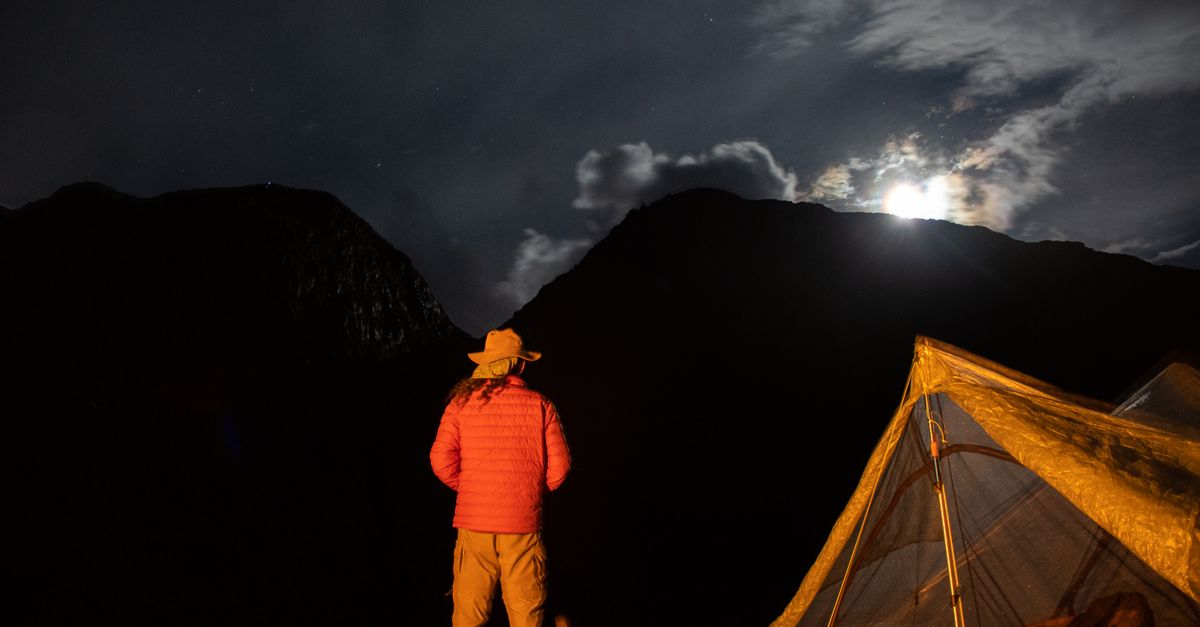
Leave No Trace Camping UK: The Best Gear for Wild Camps That Leave No Sign (2026)
Wild camping anywhere in the UK is a privilege built on trust. In Scotland, statutory access rights keep vast areas of open land available to responsible…
Leave No Trace Camping UK: The Best Gear for Wild Camps That Leave No Sign (2026)
Wild camping anywhere in the UK is a privilege built on trust. In Scotland, statutory access rights keep vast areas of open land available to responsible campers; on Dartmoor, a Court of Appeal ruling restored the right to wild camp on the commons; and almost everywhere else, pitching a tent comes down to a quiet agreement between you and the landowner. Leave No Trace (LNT) is the outdoor ethic that keeps that agreement intact — arriving without a footprint and leaving without one either. No fire scars, no flattened vegetation, no poorly buried waste surfacing in a stream. For this guide we researched manufacturer specifications, analysed verified owner reviews and compared the current UK market to find the kit that genuinely helps you leave nothing behind. Whether you are new to the concept of “leave no trace camping UK” or refining an existing kit list, the gear below is what makes the principles practical on British ground.
Quick Picks: Best Leave No Trace Camping Gear (2026)
| Product | Best For | Approx. Price |
|---|---|---|
| TheTentLab Deuce of Spades (Aluminium) | Digging proper cat holes at minimum weight | Around £20–£28 |
| TheTentLab Deuce of Spades (Titanium) | Gram-counters who still need rigidity | Around £35–£45 |
| Cleanwaste Go Anywhere Toilet Kit | Packing out waste where digging is impossible | Around £12–£18 per kit |
| MSR PocketRocket Deluxe | Fast, regulated cooking that replaces campfires | Around £60–£75 |
| Sea to Summit Wilderness Wash | Safe, concentrated cleaning away from water | Around £8–£12 |
What ‘Leave No Trace’ Actually Means on UK Ground
Leave No Trace began as a US backcountry programme, but its seven principles translate directly to British hills, lochs and valleys. At its core, LNT asks you to plan ahead, camp and travel on durable surfaces, dispose of waste properly, leave what you find, minimise campfire impacts, respect wildlife and be considerate of other visitors. What changes in the UK is the legal context — and it is considerably more fragmented than the American public-land model from which LNT emerged.
The Scottish Access Model
Scotland’s Outdoor Access Code (SOAC), underpinned by the Land Reform (Scotland) Act 2003, is the most permissive framework in the UK. It allows camping on most unenclosed land and waterways, provided you act responsibly. However, even within this open framework there are specific, non-obvious obligations. Human waste must be buried at least 30m from open water, paths and buildings per SOAC guidance — a distance that exists to prevent pathogen leaching into watercourses and to keep popular routes pleasant for other users.
Crucially, the right to camp does not extend everywhere without exception. Parts of Loch Lomond & The Trossachs operate camping management zones that are active between June and September. In these zones, you must obtain a permit (via the LLTNP app) and, significantly, you are required to pack out all human waste rather than bury it. The density of visitors in these areas during peak summer months makes traditional cat-hole burial unsustainable.
Dartmoor’s Restored Right
On Dartmoor, the Court of Appeal restored the right to wild camp on the commons in January 2024. This was a landmark moment for UK access, but it does not mean a free-for-all. Under the Dartmoor Commons Act 1985, campfires are banned without explicit landowner permission. The moor’s sensitive peatland and vegetation dry quickly, and a careless spark can smoulder for days in the peat, causing extensive ecological damage before it surfaces. A stove is therefore not just the convenient choice here — it is the legally responsible one.
SSSIs and the Access Gap
The most overlooked legal nuance in UK LNT discussions is the status of Sites of Special Scientific Interest (SSSIs). Natural England and NatureScot can prosecute for disturbance of protected habitats or species within an SSSI, and — critically — there is no automatic access right to SSSI land, even under Scotland’s SOAC. A walker may have the right to roam, but pitching a tent on protected ground can still constitute an offence. Before heading out, it is essential to check the Magic Map tool maintained by DEFRA, which overlays SSSI boundaries on Ordnance Survey data, so you know exactly where the protected zones lie.
How to Choose Leave No Trace Gear
The right equipment does the ethical heavy lifting for you. A proper trowel turns a messy disposal problem into a clean, dig-and-bury routine. A WAG bag lets you pack human waste out where the ground is too fragile or legally protected to dig. A reliable stove removes any temptation to build a fire on sensitive moorland. And a biodegradable soap — used correctly — lets you wash without contaminating the watercourses that wildlife and downstream communities depend on. None of this gear is glamorous, but each piece quietly prevents the most visible signs of wild camping: scorched ground, soiled hillsides, trampled vegetation and polluted streams.
When evaluating gear for LNT, the key criteria are weight (because you have to carry everything in and out), durability (because a broken tool in the field leads to corner-cutting), and regulatory alignment (because UK law and guidance differ from US practice in important ways). The reviews below address each of these factors.
TheTentLab Deuce of Spades (Aluminium) — Best Trowel for Cat Holes
Best for: Wild campers who need to dig a proper cat hole at minimum weight.
The consensus across UK outdoor forums and owner reviews is that the Deuce of Spades is the gold-standard cat-hole trowel. The aluminium model weighs just 21g, with a blade thickness of 1.6mm — stiff enough to break through compacted hilltop soil and rocky UK ground without the flex failure that plagues thinner or plastic alternatives. Reaching the 15–20cm minimum depth required by LNT UK and SOAC guidance is straightforward with the full blade length, and the tool’s rigidity means you are not fighting the trowel while trying to dig in difficult ground.
The design includes a notched blade that saws through roots, and a curved cross-section that aids scooping in compacted peat — a soil type common across the British uplands that can defeat flat-bladed trowels. These features matter because the practical reality of digging a cat hole on a Scottish hillside or Dartmoor tor is rarely the soft forest-floor scenario imagined in US guidance. UK soils are frequently rocky, root-bound, or waterlogged, and a trowel that bends or skips off the surface leads to shallow holes that fail the 15cm standard.
Standout strength: The weight-to-rigidity ratio is exceptional — it is the lightest trowel that genuinely meets the 15cm dig requirement without flexing in rocky UK soils.
Caveat: The aluminium version can show wear on the anodised finish after extended use in abrasive ground, though this is cosmetic rather than functional.
Verdict: The piece of kit that makes the “bury it properly” rule easy to follow at a weight you will never be tempted to leave at home.
Where to buy: Amazon UK and Ultralight Outdoor Gear (UOG), typically priced around £20–£28 for the aluminium model.
TheTentLab Deuce of Spades (Titanium) — Best for Gram-Counters
Best for: Ultralight backpackers who want every possible gram shaved without sacrificing digging performance.
The titanium edition of the Deuce of Spades takes the same proven design — notched blade for roots, curved cross-section for scooping — and machines it from titanium, dropping the weight to just 14g. That is a 7g saving over the aluminium model. For most campers this difference is academic, but for those building sub-base-weight kits where every item is scrutinised, it is a meaningful reduction. Titanium also offers excellent corrosion resistance, which is relevant if you are digging in wet peat or coastal environments where salt and moisture can degrade lesser materials over time.
The functional performance is identical to the aluminium version: the blade reaches the 15–20cm depth standard, the rigidity is sufficient for rocky ground, and the notched edge works the same way on roots. The higher price is the trade-off for the material upgrade.
Standout strength: At 14g it is among the lightest purpose-built trowels on the market, yet it retains the structural integrity needed for genuine UK hill conditions.
Caveat: At approximately £35–£45, it costs significantly more than the aluminium model for a 7g saving — a premium that is hard to justify unless you are actively counting every gram.
Verdict: A justifiable luxury for committed ultralighters; overkill for most weekend wild campers.
Where to buy: Amazon UK and Ultralight Outdoor Gear (UOG), typically priced around £35–£45.
Cleanwaste Go Anywhere Toilet Kit — Best WAG Bag System
Best for: Camping in fragile mountain terrain, above the treeline, or in Loch Lomond & Trossachs management zones where digging is not permitted.
The Cleanwaste Go Anywhere system is the most widely recommended WAG (Waste Alleviation and Gelling) bag kit in the UK. Each bag contains pWOW powder, a proprietary gelling and biocide agent that neutralises approximately 946ml of liquid waste — a capacity designed to handle a full solid waste deposit plus associated liquid. The gelling action is critical because it transforms liquid waste into a stable solid within the bag, preventing leaks and spills during transport, while the biocide component controls odour and bacterial growth.
The starter kit includes three bags, biodegradable toilet paper, and hand wipes — everything needed for a short trip where packing out is the responsible or legally required option. Refill bags are sold separately in packs of six for longer expeditions or repeat use.
The disposal route is the question UK buyers most frequently overlook, and it is where the Go Anywhere system stands out. Sealed bags are accepted at standard UK household waste facilities — not recycling — meaning you can dispose of them in a normal bin when you return to civilility. However, it is always worth confirming with your local council, as waste acceptance policies can vary between authorities. This household-waste disposal route is what makes WAG bags a practical reality for UK wild campers rather than just a theoretical solution.
Standout strength: The household waste disposal route makes carry-it-out genuinely practical, rather than leaving you with a biohazard you cannot responsibly get rid of.
Caveat: You are carrying your waste out in your pack, which some campers find psychologically uncomfortable even though the gelling and sealing system is effective.
Verdict: Essential kit for above-treeline camps, SSSI land, and Loch Lomond management zones where burial is off the table.
Where to buy: Cotswold Outdoor and Amazon UK, with starter kits typically around £12–£18 and refill 6-packs around £18–£25.
MSR PocketRocket Deluxe — Best Stove for Replacing Campfires
Best for: Wild campers who need a fast, compact stove that performs in cold Scottish conditions and eliminates any reason to light a fire.
The MSR PocketRocket Deluxe weighs 73g for the stove alone and achieves a manufacturer-stated boil time of 3.5 minutes per litre at sea level, or approximately 100 seconds per 500ml. That speed matters for LNT because a stove that is quick and reliable removes the temptation to build a fire for cooking or warmth — the single most impactful thing you can avoid doing on sensitive UK moorland and peatland.
The integrated pressure regulator is the feature that distinguishes the Deluxe from the standard PocketRocket. It maintains consistent gas output as the canister empties and pressure drops, which is particularly important in cold Scottish conditions where canister pressure naturally decreases. Without regulation, a stove that performed well at the start of a trip can become sluggish or fail entirely as the fuel runs low and temperatures drop — leading frustrated campers to consider fires as a backup. The regulator ensures consistent performance throughout the canister’s life.
The canister recycling caveat: This is the genuine LNT weakness of canister stoves, and it should be addressed honestly rather than hidden. Empty isobutane/propane canisters are made of steel but are not kerbside-recyclable in most UK council areas because they are pressurised gas containers that cannot be safely compacted by standard waste processing. This is where canister stoves fall behind alcohol stoves on pure LNT grounds — alcohol fuel bottles are standard plastic and widely recycled.
However, there are routes to responsible canister disposal. The Campingaz exchange scheme allows you to swap empty canisters for full ones at participating retailers. For other brands, canister puncture tools such as the Jetboil CrunchIt (approximately £8) or Vango and MSR’s own puncturing tools allow you to safely vent and pierce the empty canister, after which it can be recycled at scrap metal facilities. The CrunchIt works by threading onto the canister’s valve and driving a pin through the wall, making it safe for metal recovery. This extra step is the LNT price of using a canister stove, and responsible campers should factor it into their trip planning.
Standout strength: The pressure regulator makes it dependable in the cold, damp conditions that characterise Scottish wild camping, ensuring the stove is always a viable alternative to fire.
Caveat: Canister recycling requires extra effort and a puncture tool — if you are not willing to manage your canister waste, an alcohol stove may be the more responsible choice.
Verdict: The best balance of weight, speed and cold-weather reliability for campers who commit to handling canister waste properly.
Where to buy: Cotswold Outdoor, Go Outdoors, and Amazon UK, typically priced around £60–£75.
Sea to Summit Wilderness Wash — Best Biodegradable Soap
Best for: Campers who need to wash dishes, hands and themselves on multi-day trips without contaminating watercourses.
Sea to Summit Wilderness Wash is a concentrated biodegradable soap, and the 200ml bottle treats approximately 200 washes per the manufacturer’s specification. That concentration matters for LNT because it means you are carrying a small, lightweight bottle that lasts for extended trips — reducing the temptation to use larger quantities of less concentrated alternatives or, worse, conventional soaps that contain additives harmful to aquatic ecosystems.
The critical LNT point about this product — and biodegradable soap in general — is the most repeated error on UK camping forums and the single most common misconception in outdoor practice. “Biodegradable” does not mean “safe to use in streams or rivers.” Biodegradable soaps break down naturally over time in soil, where microbial action can process the compounds, but they do not break down quickly in water. Introducing even biodegradable soap directly into a watercourse adds nutrients and surfactants that can disrupt aquatic ecosystems, promote algal blooms, and harm fish and invertebrate populations.
Both SOAC and LNT UK specify that biodegradable soap must be used at least 60m from any water source. This means carrying water away from the stream or loch in a container, washing at a distance, and disposing of grey water by scattering it broadly over vegetation and soil where it can filter naturally. The 60m minimum exists to ensure that any soap residue is fully processed by soil microorganisms before it can reach the water table.
Standout strength: The concentration means a small bottle lasts, reducing both pack weight and the frequency of resupply — practical for LNT compliance on longer routes.
Caveat: The biodegradable label can create a false sense of security — if you do not already understand the 60m rule, the product’s marketing could lead you to use it incorrectly.
Verdict: A reliable, well-concentrated soap that does exactly what it claims, provided you respect the distance-from-water rule that makes biodegradable soap genuinely safe.
Where to buy: Cotswold Outdoor, Alpkit, and Amazon UK, typically priced around £8–£12.
UK Practical and Regulatory Notes
Beyond the gear itself, several UK-specific regulatory points shape how Leave No Trace principles should be applied on the ground.
Cat-hole depth and above-treeline practice: Both LNT UK and SOAC cite a minimum cat-hole depth of 15–20cm. This is deeper than many campers assume and is designed to ensure waste is buried below the active biotic layer where decomposition occurs, while remaining shallow enough to avoid the water table. However, Mountaineering Scotland’s 2023 guidance update increasingly recommends pack-out (using WAG bags) above the treeline on Scottish hills, where thin soils, slow decomposition rates, and high visitor pressure make burial unsustainable even at correct depth.
Toilet paper disposal: LNT UK explicitly states that toilet paper should be packed out, not buried or burned. This distinguishes UK guidance from older US practice, which historically permitted burial. Burning TP is a fire risk on dry moorland — a single smouldering piece of paper can ignite peat that burns for days. Burial is problematic because TP decomposes slowly in UK soils and is frequently exposed by animals, weather, or erosion, creating unsightly and unhygienic conditions on popular routes. The correct practice is to seal used TP in a ziplock bag and carry it out with your other waste.
Campfire legality in Scotland: While campfires are legal under SOAC in general terms, they are banned within Loch Lomond & Trossachs National Park camping management zones during the June–September permit period. Forestry and Land Scotland also issues seasonal fire-risk bans, particularly during dry spring and summer periods. These bans apply to all open fires, including those in fire bowls or on raised stands. A stove is always the safer LNT choice.
SSSI prosecution: Natural England and NatureScot have the power to prosecute for disturbance within SSSIs, and this applies to camping activity as well as more obvious offences like vegetation removal or wildlife harassment. There is no automatic access right to SSSI land even under SOAC, meaning that Scotland’s permissive access model does not override protected-site designations. The DEFRA Magic Map is the definitive tool for checking SSSI boundaries before you pitch.
Frequently Asked Questions
Can you wild camp anywhere in the UK?
No. Scotland is the only part of the UK where wild camping is permitted by statute, under the Land Reform (Scotland) Act 2003 and the Scottish Outdoor Access Code. On Dartmoor, the right to wild camp on the commons was restored by the Court of Appeal in January 2024. Everywhere else in the UK — including the Lake District, Snowdonia (Eryri), and the Peak District — wild camping requires landowner consent, though some national park authorities operate limited permit schemes for specific areas.
Is it legal to have a campfire while wild camping in Scotland?
Campfires are legal under SOAC in general terms, but they are banned within Loch Lomond & Trossachs National Park camping management zones during the active June–September permit period. Forestry and Land Scotland also issues seasonal fire-risk bans, particularly during dry periods. Even where fires are legal, LNT principles strongly favour stoves because of the lasting ground damage and fire risk associated with open flames on peat and moorland.
How deep should a cat hole be?
LNT UK and SOAC both cite a minimum cat-hole depth of 15–20cm. This depth ensures waste is buried below the surface biotic layer where decomposition occurs, while remaining shallow enough to avoid the water table. Many trowels, including the Deuce of Spades, have depth markings to help you gauge this. Above the treeline on Scottish hills, Mountaineering Scotland’s 2023 guidance increasingly recommends packing out waste entirely rather than burying it.
What should I do with toilet paper when wild camping in the UK?
LNT UK guidance is explicit: toilet paper should be packed out in a sealed bag, not buried or burned. Burning is a fire risk on dry moorland, and burial is problematic because TP decomposes slowly and is frequently exposed by animals or weather. This differs from older US practice that permitted burial, and it is one of the most important distinctions between UK and international LNT guidance.
Can I put WAG bags in the normal bin?
Yes — sealed WAG bags, such as the Cleanwaste Go Anywhere system, are accepted at standard UK household waste facilities, not recycling. The gelling and biocide agents stabilise the contents, making the sealed bag safe for normal waste streams. However, it is always worth confirming with your local council, as waste acceptance policies can vary between authorities.
How far from water should I wash with biodegradable soap?
Both SOAC and LNT UK specify a minimum distance of 60m from any water source when using biodegradable soap. Biodegradable does not mean safe in water — the soap breaks down in soil via microbial action, not in watercourses, and introducing it directly to streams or lochs can harm aquatic life. Carry water away from the source in a container, wash at distance, and scatter grey water broadly over vegetation.
Can I recycle empty gas canisters in the UK?
Empty isobutane/propane canisters are made of steel but are not kerbside-recyclable in most UK council areas because they are pressurised containers. The Campingaz exchange scheme allows you to swap empties for full canisters at participating retailers. For other brands, a canister puncture tool such as the Jetboil CrunchIt (approximately £8) allows you to safely vent and pierce the canister, after which it can be recycled at scrap metal facilities. This extra step is the LNT trade-off for using canister stoves rather than alcohol alternatives.
Do I need to check for SSSIs before wild camping in Scotland?
Yes. Even under Scotland’s permissive access model, SSSI designations override the general right to roam. Natural England and NatureScot can prosecute for disturbance within protected sites, and there is no automatic camping right on SSSI land. The DEFRA Magic Map tool overlays SSSI boundaries on Ordnance Survey data, allowing you to check whether your intended pitch falls within a protected zone before you set out.