Midge Repellent Homemade: Do DIY Blends Really Beat Smidge and Skin So Soft in 2026?
Every UK camper knows the moment: a still June evening beside a Scottish loch, the air thickening with a fine brown haze, and every patch of exposed skin…
Midge Repellent Homemade: Do DIY Blends Really Beat Smidge and Skin So Soft in 2026?
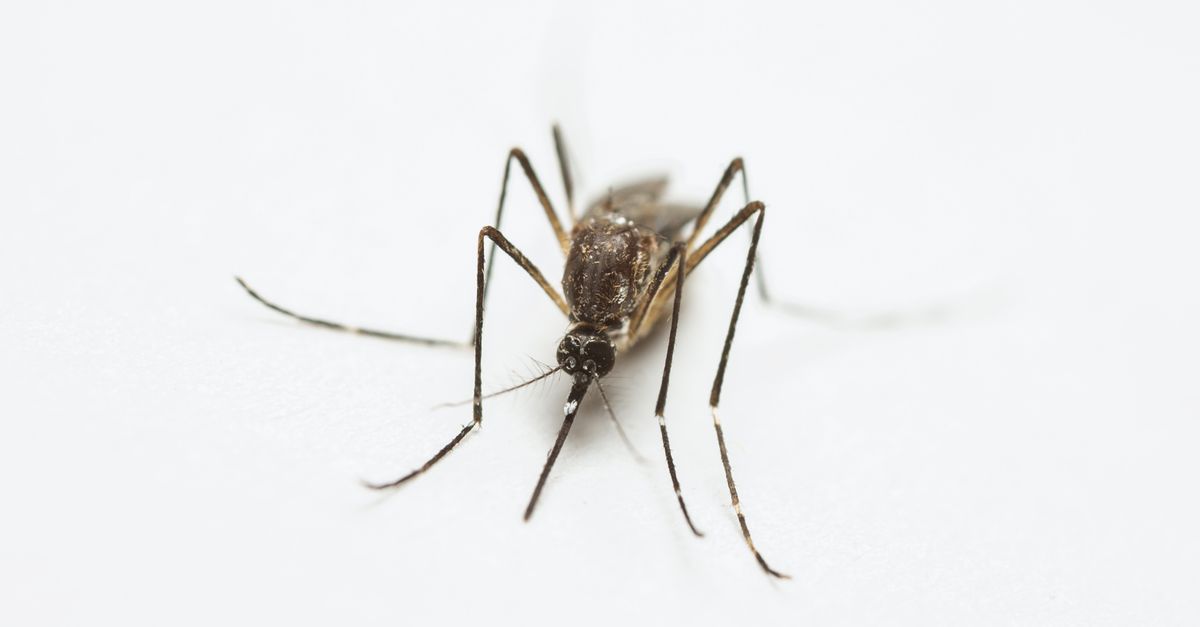
Every UK camper knows the moment: a still June evening beside a Scottish loch, the air thickening with a fine brown haze, and every patch of exposed skin suddenly alive. The Highland midge (Culicoides impunctatus) measures barely 1–3 mm, yet it can end a trip in minutes. Homemade midge repellent recipes are everywhere, but most share one fundamental flaw: they sit in exactly the low-concentration category this particular insect shrugs off. This guide looks honestly at the DIY approach, explains why the standard essential-oil spray fails, and weighs the homemade route against the repellents UK campers, hillwalkers and anglers actually rely on — Smidge, Avon Skin So Soft, Midge Magic, Incognito and Jungle Formula — so you can decide where your money, and your skin, is best spent in 2026.
At a Glance: The Quick Picks
| Product | Why it’s a quick pick |
|---|---|
| Smidge (20% Saltidin) | The Scottish benchmark — manufacturer-stated 8-hour protection, odourless and plastic-safe |
| Avon Skin So Soft Original Dry Oil | The cult favourite — around 4.4–4.5/5 from 15,000+ Amazon UK reviews, and cheap per application |
| Midge Magic | The best “natural” roll-on — essential-oil blend in a practical, no-waste applicator |
| Incognito | The IR3535 option — synthetic protection without DEET |
| Jungle Formula | The DEET classic — proven against mosquitoes, with real caveats against midges |
All five are widely stocked in the UK; the full cost breakdown, DIY included, appears further down.
Understanding the Midge: Why Culicoides Is a Different Opponent
What draws midges to you
Midges don’t bite randomly. Research by Alison Blackwell of the University of Edinburgh, one of the most-cited names in Culicoides host-seeking behaviour, has shown midges locate hosts through a combination of cues: carbon dioxide in your breath, body heat, sweat and dark clothing. That is why two people standing side by side can have wildly different evenings, and why the same person always seems to get eaten alive.
Conditions matter enormously. Midge season in the UK runs from May to September, peaking in June and July. The insects are most active at dawn and dusk, and they prefer still, overcast, damp weather. Met Office guidance on midges notes that they stop flying in winds above roughly 7 mph — which is why a breezy headland can be midge-free while a sheltered lochan fifty metres away is swarming.
Why midges outmatch mosquito repellents
Midges are smaller, more persistent and far less deterred than mosquitoes. Many repellents that work perfectly well against mosquitoes — especially low-concentration citronella sprays — simply bounce off a hungry midge. Before committing to any homemade recipe, it’s worth understanding the mechanism: repellents work by creating a vapour layer at skin level that interferes with the insect’s ability to home in on host cues. Where a mosquito might turn away, a small, determined midge pushes straight through a weak vapour cloud. That is why the bar for “good enough” is so much higher in Scotland than in a mild southern-English garden.
The Actives That Actually Work
Three synthetic actives dominate the registered repellent market in the UK, and one plant-derived compound is increasingly discussed. Knowing them helps you read any label, homemade or otherwise.
DEET is the global standard, effective against an enormous range of biting insects. It works by masking the human odours that attract insects. But it has two drawbacks for midge country: some research indexed on PubMed suggests DEET can underperform against Culicoides compared with mosquitoes, and it degrades certain plastics — watch straps, sunglass frames, tent seams and phone cases can all suffer.
Icaridin — also called picaridin, and branded as Saltidin — is the modern alternative. It offers comparable efficacy to DEET against many biting insects, without the plastic damage and with no noticeable smell. Smidge uses it at 20%, and it has become the default recommendation for long days in serious midge territory.
IR3535 is an amino-acid-derived synthetic, used in products such as Incognito. It’s one of the three main synthetic actives and a solid choice for those who want an alternative to DEET.
PMD (para-menthane-3,8-diol) is the key compound in oil of lemon eucalyptus. The US Centers for Disease Control and Prevention lists PMD as an effective plant-derived repellent — but for mosquitoes. As we’ll see, that distinction matters for midges.
Homemade Midge Repellent: The DIY Reality
The classic essential-oil recipe and why it fails
The most-shared homemade recipes follow the same template: a clean 120 ml spray bottle, around 60 ml of water, around 30 ml of witch hazel or vodka to help the oils disperse, then 50–75 drops of essential oil in any combination — citronella, lavender, tea tree, eucalyptus. Shake before every use, because oil and water separate quickly.
Do the maths and the problem appears immediately. Fifty to seventy-five drops is roughly 2.5–3.75 ml of oil in about 90 ml of base liquid — a blend sitting at around 3–4% essential oil. That is exactly the low-concentration category that fails against Culicoides impunctatus. At 3–4%, the vapour layer is simply too weak to mask the carbon dioxide, heat and sweat cues midges track. You can expect around 30–60 minutes of protection at most, meaning reapplication around 8–10 times more often than Smidge — in practice, you’d be re-spraying almost constantly.
Safety: dermal limits are per-oil, not blanket
It’s tempting to think “more oil, stronger repellent,” but skin safety argues against it. The standard reference here is Tisserand & Young’s Essential Oil Safety, which sets maximum dermal use levels for individual oils. Clove oil, for example, is limited to around 1%, and thyme oil to around 1.5%. There is no single blanket maximum for “essential oils” — each oil has its own ceiling, and exceeding an individual oil’s limit risks skin irritation, especially over long exposure or on sensitive skin.
The one DIY route with evidence: PMD at around 30%
If you want to make your own repellent with any credible evidence behind it, the only route with meaningful support is a PMD formulation at roughly 30% concentration. A practical homemade approach means diluting a PMD concentrate or oil of lemon eucalyptus — standardised to PMD — with a simple carrier such as water plus a little vodka or witch hazel to help it disperse, to a final concentration of around 30%.
Two honest caveats. First, the CDC’s PMD guidance is built on mosquito evidence; the midge-specific research for Culicoides is thinner, and it’s important to name that gap rather than paper over it. Second, the CDC notes that PMD concentrations above 10–15% increase the risk of skin irritation, and that it should not be used on children under three. A 30% DIY blend therefore sits deliberately above that comfort threshold — effective, but strictly an adult product, and one worth patch-testing first. Even then, a PMD blend still needs reapplication every 30–60 minutes.
The Best Midge Repellents You Can Buy in 2026
Smidge (20% Saltidin): the Scottish benchmark
Best for: all-day protection in serious midge country.
Smidge is the product Scottish outdoor communities measure everything else against. Its 75 ml bottle contains 20% Saltidin — the trade name for icaridin, also known as picaridin. The manufacturer states an 8-hour duration per application, which puts it in a different league from any DIY essential-oil spray. It is odourless, which matters when you’re eating, and it’s plastic-safe: where DEET can melt watch straps and glasses frames, icaridin won’t.
The honest caveat is cost — around £0.15 per application, roughly half as much again as Avon Skin So Soft — and that 8-hour figure is manufacturer-stated rather than independently verified. Still, for anyone spending a full day on the hill, the trade-off buys you protection you don’t have to think about.
Where to buy: widely stocked across the UK — Amazon UK, Boots, Go Outdoors and Cotswold Outdoor typically all carry it.
Avon Skin So Soft Original Dry Oil: the cult classic
Best for: budget-conscious short stints and evenings out.
Skin So Soft has achieved near-legendary status among Scottish anglers and campers, and the owner-review consensus backs up the folklore: it holds around 4.4–4.5 out of 5 from more than 15,000 Amazon UK reviews. A 150 ml bottle works out at roughly £0.10 per application, making it the cheapest mainstream option here.
The crucial caveat is regulatory. Skin So Soft is not a registered repellent — its label carries no active biocidal claim, because it isn’t sold as an insect repellent. The perceived duration of around 2–3 hours is based on user experience rather than any official standard, so treat it as an unverified figure. For a barbecue by a loch it’s a brilliant, pleasant-smelling option; for a full day on the ridge, it’s a gamble.
Where to buy: Amazon UK and Boots are the easiest stockists.
Midge Magic: the natural roll-on
Best for: those who want a “natural” label in a convenient format.
Midge Magic is an essential-oil roll-on, marketed on its natural credentials and its practical, no-waste applicator. If you want to move beyond a DIY bottle and carry something neat in a pocket, it delivers that.
The honest caveat is that it holds no regulatory repellent registration, so you’re relying on essential oils without a registered active ingredient. Expect a protection window typical of essential-oil blends — short, and requiring frequent reapplication. It’s a convenience upgrade on a homemade spray, not a leap in effectiveness.
Where to buy: Amazon UK and outdoor retailers such as Go Outdoors and Cotswold Outdoor typically stock it.
Incognito: the IR3535 option
Best for: synthetic protection without DEET.
Incognito builds its formula around IR3535, one of the three main synthetic repellent actives, in a pleasant, low-odour base. For anyone who dislikes DEET’s feel or its effect on plastics, it’s a credible off-the-shelf middle ground with a registered active at its core.
The caveat is that IR3535’s published evidence base against Culicoides specifically is thinner than icaridin’s, so it’s a reasonable all-rounder rather than a midge specialist. It’s a solid choice for mixed trips where you’re facing both midges and mosquitoes.
Where to buy: Boots, Amazon UK and larger outdoor retailers.
Jungle Formula: the DEET classic
Best for: mosquito-heavy trips abroad.
Jungle Formula is a long-established DEET-based repellent, and against mosquitoes it’s thoroughly proven — which is why it remains a travel-bag staple. If you’re heading somewhere tropical, it’s a dependable pick.
Against Scottish midges specifically, the caveats stack up. Some published repellency research indexed on PubMed suggests DEET can underperform against Culicoides compared with mosquitoes, so the best-known ingredient in the world may not be your best midge tool. Add DEET’s plastic-damaging tendencies — keep it away from watch straps and glasses frames — and it becomes clear that Jungle Formula is an excellent general repellent, but not necessarily your smartest midge specialist.
Where to buy: Boots, Amazon UK and Go Outdoors are typical stockists.
The Cost of Repelling: DIY vs Off-the-Shelf
The cost-per-hour picture is revealing, because the cheapest options per application are often the least effective over time. All figures below are hedged approximations based on typical UK prices, checked in early 2026.
| Option | Approx. cost per application | Duration | Effective cost per hour |
|---|---|---|---|
| Smidge 75 ml | around £0.15 | around 8 hours | around £0.02/hour |
| Avon Skin So Soft 150 ml | around £0.10 | around 2–3 hours (unverified) | around £0.04–0.05/hour |
| DIY PMD 30% blend | around £0.08 | around 30–60 minutes | around £0.08–0.16/hour |
The headline: Smidge looks the priciest per squirt, but per hour of actual protection it works out considerably cheaper — around £0.02/hour, versus £0.08–0.16/hour for a homemade PMD blend that needs constant reapplication. A 3–4% essential-oil DIY spray isn’t in this table because its protection window of 30–60 minutes, with effectiveness that fails the Culicoides test, makes a cost-per-hour figure meaningless.
UK-Specific Notes: Regulation, Stockists and the PMD Gap
Three things are worth understanding before you buy in the UK.
First, regulation. Products sold with an insect-repellent claim in the UK carry a biocidal product registration, which is why Smidge, Incognito and Jungle Formula can state a duration and an active ingredient. “Natural” products like Midge Magic and Avon Skin So Soft carry no such registration and make no active biocidal claim — the absence of that claim on the label is the single most useful thing to check.
Second, the PMD gap. As covered above, the CDC’s endorsement of PMD rests on mosquito evidence. Since the UK’s main biting pest is Culicoides impunctatus, and midges are harder to repel than mosquitoes, a homemade PMD blend is the best-supported DIY route — but it is not a certified solution for this specific insect.
Third, stockists. The products in this guide are typically available across Amazon UK, Boots, Go Outdoors and Cotswold Outdoor, with outdoor specialists carrying the fuller midge ranges during the May–September season.
Frequently Asked Questions
How long does homemade midge repellent last? A standard 3–4% essential-oil blend gives around 30–60 minutes of protection at most, and requires reapplication roughly 8–10 times more often than Smidge. A PMD blend at around 30% lasts the same sort of window but with much stronger evidence of effectiveness. By comparison, Smidge’s manufacturer states 8 hours per application.
Is Avon Skin So Soft a proper repellent? No — it is not a registered insect repellent, and its label carries no active biocidal claim. Its reputation rests on a huge owner-review consensus of around 4.4–4.5 out of 5 from more than 15,000 Amazon UK reviews, and on decades of informal field use. Treat its roughly 2–3 hour perceived duration as unverified.
DEET or icaridin for Scottish midges? Icaridin is the better choice. It offers comparable efficacy to DEET, is odourless, and is plastic-safe — whereas DEET can melt watch straps, glasses frames and phone cases. Some research also suggests DEET underperforms against Culicoides compared with mosquitoes, which weakens the case for making DEET your midge specialist.
Can I make a PMD repellent at home safely? Yes, but with real cautions. Dilute PMD or oil of lemon eucalyptus to around 30% for credible repellency, but note the CDC’s guidance that concentrations above 10–15% increase the risk of skin irritation, and that PMD should not be used on children under three. It is an adult product, and worth patch-testing before a full outing.
Why do midges bite some people more than others? Midges locate hosts using carbon dioxide in breath, body heat, sweat and dark clothing, if you produce more of those cues — running warm, sweating, wearing dark colours — you’re a more conspicuous target. That’s also why standing in a breeze above roughly 7 mph, which grounds midges, is the most reliable personal protection.
When is midge season in the UK? May to September, peaking in June and July. Midges are most active at dawn and dusk in still, overcast, damp conditions, and stop flying in winds above roughly 7 mph. Planning a trip for a breezy, dry afternoon rather than a calm dusk can make a dramatic difference.
The Bottom Line
So, is homemade midge repellent worth it in 2026? The blunt answer is: only the PMD route, and only if you accept its limitations. A 3–4% essential-oil blend — the recipe that dominates Pinterest and Reddit — sits in exactly the concentration category that Culicoides impunctatus ignores, offers 30–60 minutes of weak protection, and costs more per effective hour than the product it’s trying to replace. A homemade PMD blend at around 30% has genuine evidence behind it, but it needs frequent reapplication and carries an irritation risk that rules it out for children under three. If you want the best protection for a full day in midge country, Smidge remains the benchmark; if you’re just heading out for a short evening, Avon Skin So Soft is the budget cult classic. The cheapest option in the long run is the one that actually keeps working — and in 2026, that still isn’t homemade.