The Best Portable Wood Fired Pizza Ovens in the UK (2026)
There is no shortcut to a proper Neapolitan pizza: the leopard-spotted crust, puffy cornicione and smoky, blistered base are all the result of intense…
The Best Portable Wood Fired Pizza Ovens in the UK (2026)
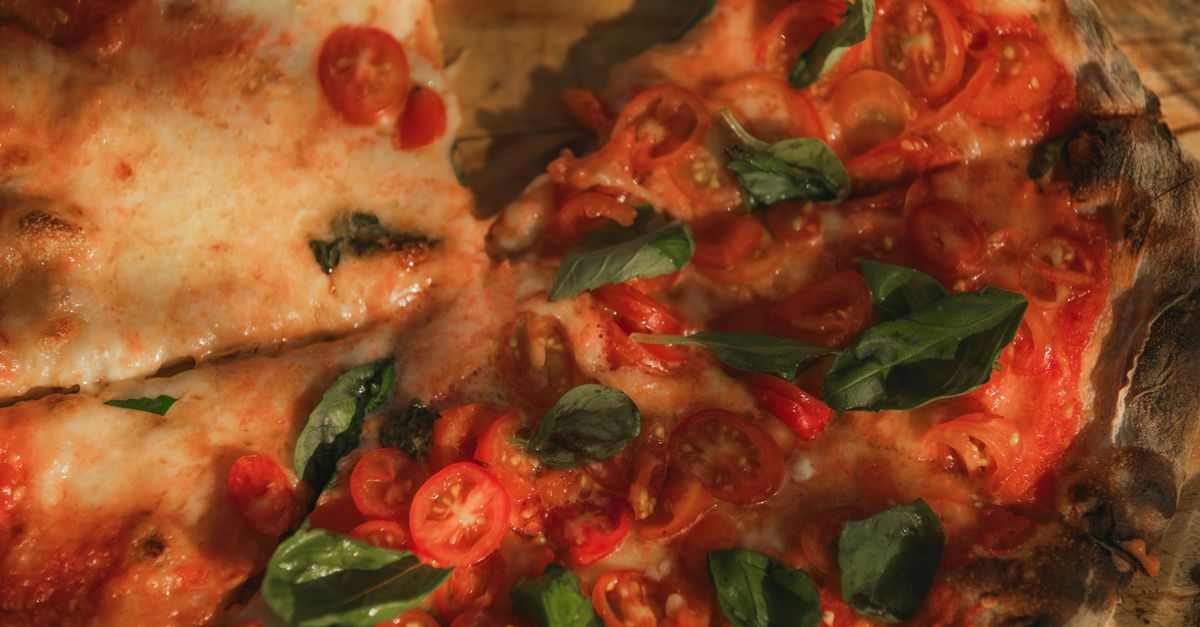
There is no shortcut to a proper Neapolitan pizza: the leopard-spotted crust, puffy cornicione and smoky, blistered base are all the result of intense heat that a normal kitchen oven simply cannot produce. A dedicated portable wood fired pizza oven reaches temperatures of 400–500°C — several times hotter than a domestic fan oven — which is why these compact outdoor cookers have become one of the fastest-growing garden-cooking categories in the UK. Serious Eats, a widely cited culinary authority, documents the Neapolitan requirement as exceeding 430°C ambient for authentic leopard char, providing a clear editorial benchmark for what these ovens need to achieve.
British brands dominate the space, with Edinburgh’s Ooni and Dorset’s Gozney setting the pace, though Yorkshire-based Delivita and several international alternatives broaden the field. This guide covers the best portable wood fired pizza ovens available in the UK as of 2026. Our recommendations are grounded in manufacturer specifications, expert reviews from established publications, and the aggregated consensus of thousands of owner reviews across retail sites and communities such as Reddit’s r/pizza and r/ooni.
Quick Picks
| Pick | Product | Best for | Approximate price |
|---|---|---|---|
| Overall | Ooni Karu 16 | Big batches and 16-inch capacity | Around £600–£900 |
| Dual fuel | Gozney Roccbox | Wood and gas included in-box | Around £450–£600 |
| Value | Ooni Karu 12 | First-time buyers, fast heat-up | Around £250–£380 |
| Pellet convenience | Ooni Fyra 12 | Set-and-forget wood fuel | Around £250–£380 |
| Traditional aesthetics | Delivita Wood-Fired Oven | Design-led outdoor cooking | Around £600–£700 |
| Budget alternative | Pizzello Forte | Sub-£250 dual-fuel entry point | Around £110–£250 |
What to Look For in a Portable Wood Fired Pizza Oven
Fuel type: wood, charcoal, pellets or dual fuel
The biggest decision is how you will fire the oven, because each fuel type changes the cooking experience, the flavour profile and the amount of attention required.
Hardwood logs are the traditional choice: they produce the most pronounced wood-smoke flavour and reach peak heat fastest, which matters when you want to get cooking quickly. However, they demand active management — you feed the fire, chase the heat and wait for the flames to lick the dome before launching your pizza. According to Ooni’s own fuel guide, hardwood logs are ideal for reaching that initial surge of high heat.
Charcoal, by contrast, burns longer and more consistently than loose logs. Ooni’s fuel guide recommends charcoal for extended cooking sessions where steady, sustained heat matters more than a rapid temperature spike. Charcoal’s consistency makes it the practical choice when you are cooking multiple pizzas in succession and cannot tend the fire constantly.
Wood pellets (used by the Ooni Fyra 12) flow automatically from a gravity-fed side hopper, making them the cleanest and easiest solid fuel to handle. There is no splitting kindling, no arranging logs and no guessing when to refuel — the hopper feeds pellets at a steady rate, maintaining temperature with minimal intervention.
Many current models are dual fuel: they burn wood or charcoal as standard and accept a separately purchased gas burner add-on, turning the oven into a gas-fired unit for weeknight convenience. The Gozney Roccbox is unusual at its price tier in that it includes both the wood burner and the gas burner in the box — no separate purchase required.
Cooking capacity: 12-inch versus 16-inch
Portable ovens come in two broad sizes, and the choice affects heat-up time, fuel consumption and how many people you can serve.
12-inch models like the Gozney Roccbox, Ooni Karu 12 and Ooni Fyra 12 take a standard 12-inch pizza and are the sweet spot for two to four people. Their smaller cooking chamber heats up faster and uses less fuel, making them more economical for everyday use. A 12-inch stone also reaches cooking temperature more quickly because there is less thermal mass to heat.
16-inch models such as the Ooni Karu 16 and Bertello Grande give you extra room for larger pies, side-by-side cooking of smaller items, or a tray of roasted vegetables. However, they weigh more, take longer to reach temperature and consume more fuel. The 16-inch capacity only genuinely matters when you are cooking for five or more guests; for smaller households, the extra space is largely unused. If you regularly cook for a crowd, the compromise in weight and heat-up time is worth it.
Insulation and build quality
Heat retention is everything in a wood fired oven. Without excellent insulation, the oven loses heat faster than the fire can replenish it, resulting in undercooked bases and frustratingly long waits between pizzas.
Double-walled stainless steel construction with an insulating air gap or filling between the walls is the standard approach. The Ooni Karu 16 uses a fully insulated double-walled stainless steel body, while the Gozney Roccbox wraps its cooking chamber in fibreglass insulation with a silicone-armoured exterior, per Gozney’s official materials specification. Both approaches keep the outer shell safer to touch and the inner chamber hot enough for proper Neapolitan cooking.
A thick cordierite baking stone is critical because cordierite withstands thermal shock — it will not crack when heated rapidly from cold to 500°C. The Ooni Karu 16 uses a 1-inch thick cordierite stone; a thicker stone stores more heat, which translates to crisper bases after successive pizzas. Cheaper ovens with thin stones drop temperature quickly between pies, meaning your third pizza takes longer to cook than your first.
Portability and storage
If the oven needs to live in a shed between uses or travel to a friend’s garden, weight matters. The Ooni Fyra 12, at approximately 10 kg, is the lightest wood-fuel Ooni and genuinely portable by one person. The Ooni Karu 12 at approximately 12.2 kg is similarly manageable. At the heavier end, the Gozney Roccbox weighs approximately 20 kg and the Ooni Karu 16 approximately 20.4 kg — both are portable but realistically a two-person lift for any distance. The Bertello Grande sits between these at approximately 18 kg.
Accessories budget
Factor in accessories when comparing prices. A typical bundle — comprising a turning peel for rotating pizzas mid-cook, an infrared thermometer for reading stone surface temperature, and a protective cover for storage — adds approximately £50–£100 to your total spend. These are not optional luxuries: a turning peel is essential for even cooking (you cannot rotate a pizza by hand at 500°C), and an infrared thermometer tells you when the stone is genuinely ready rather than when the air inside the oven merely feels hot.
Product Reviews
Ooni Karu 16
Best for: Big batches, 16-inch capacity and serious heat retention
The Ooni Karu 16 is the flagship of Ooni’s multi-fuel range and the most capable all-rounder for those who cook for groups. Its 16-inch capacity accommodates a full-size pizza or multiple smaller items side by side, making it the practical choice when feeding five or more people.
Key specifications include a fully insulated double-walled stainless steel body, a 1-inch thick cordierite baking stone, a manufacturer-stated maximum temperature of 500°C, and multi-fuel capability — it burns wood or charcoal as standard and accepts an optional gas burner add-on. The oven weighs approximately 20.4 kg. It features an analogue thermometer built into the body, giving you a visual read on internal air temperature without needing a separate probe. Note that there is no digital display; the analogue thermometer is the sole built-in temperature indicator.
The standout strength here is the combination of 16-inch capacity with genuine insulation. The double-walled body and thick stone mean the Karu 16 holds heat through extended cooking sessions, producing consistent results from the first pizza to the tenth. The multi-fuel flexibility lets you start with hardwood for flavour, switch to charcoal for consistency during a long session, or drop in the gas burner for a quick weeknight cook.
The honest caveat is weight and heat-up time: at approximately 20.4 kg, it is not something you casually carry to a picnic, and the larger stone takes longer to reach cooking temperature than a 12-inch equivalent.
Where to buy: Ooni ships direct and the Karu 16 is also stocked at John Lewis, Lakeland and Amazon UK.
Verdict: The best premium 16-inch portable wood fired oven for UK buyers who regularly cook for crowds and want multi-fuel flexibility.
Ooni Karu 12
Best for: First-time buyers who want multi-fuel capability without the premium
The Ooni Karu 12 is the smaller sibling in Ooni’s multi-fuel range, offering the same fuel flexibility as the Karu 16 in a lighter, cheaper and faster-heating package. It is the model most often recommended to newcomers in Reddit’s r/ooni community.
Key specifications include a 12-inch cooking capacity, a manufacturer-stated maximum temperature of 500°C reached in approximately 15 minutes per Ooni’s official specifications, and a weight of approximately 12.2 kg. Like the Karu 16, it is multi-fuel: wood and charcoal as standard, with an optional gas burner available separately.
The standout strength is the balance of speed, weight and price. At approximately 12.2 kg, it is light enough for one person to move and store. The 15-minute heat-up time means you can decide to cook pizza and be launching dough within a quarter of an hour — a significant practical advantage over heavier 16-inch models. The smaller stone also uses less fuel per session, keeping running costs down.
The honest caveat is capacity: a 12-inch pizza feeds one to two people comfortably, so cooking for a group means sequential batches with waits between each pie.
Where to buy: Ooni ships direct; also stocked at John Lewis, Lakeland and Amazon UK. Typically priced in the approximately £250–£380 mid-range band.
Verdict: The ideal entry point for buyers who want authentic wood-fired pizza with multi-fuel flexibility at a manageable weight and price.
Ooni Fyra 12
Best for: Set-and-forget wood-fired cooking with minimal fuel management
The Ooni Fyra 12 takes a different approach to wood-firing: instead of logs or charcoal, it burns hardwood pellets fed automatically from a gravity-fed hopper on the side of the oven. This makes it the most hands-off solid-fuel option in Ooni’s lineup.
Key specifications include a 12-inch cooking capacity, pellet-only fuel system, a gravity-fed hopper that supplies pellets to the burn chamber without any auger or electronics, and a weight of approximately 10 kg — making it the lightest wood-fuel Ooni available.
The standout strength is convenience. The gravity-fed hopper means you fill it with pellets, light the fire, and the oven maintains its own fuel supply. There is no splitting kindling, no arranging logs, no tending a fire mid-cook. Pellets are also the cleanest solid fuel to handle — they come in sealed bags, produce minimal ash and are easy to store. At approximately 10 kg, the Fyra 12 is genuinely portable by one person.
The honest caveat is fuel lock-in: the Fyra 12 is pellet-only. You cannot burn logs or charcoal, and there is no gas burner option. If you want the traditional experience of feeding a wood fire or the flexibility to switch fuels, this is not the right model.
Where to buy: Ooni ships direct; also available at John Lewis, Lakeland and Amazon UK. Typically priced in the approximately £250–£380 mid-range band.
Verdict: The simplest path to wood-fired pizza for buyers who value ease of use above fuel flexibility.
Gozney Roccbox
Best for: Dual-fuel convenience with both burners included in the box
The Gozney Roccbox, from Dorset-based Gozney, is the strongest competitor to Ooni at the premium tier. Its defining feature is that it ships with both the wood burner and the gas burner included in the box — a convenience differentiator that no other oven at this price point matches.
Key specifications, per Gozney’s official materials, include fibreglass insulation and a silicone-armoured exterior, a 12-inch cooking capacity, and a weight of approximately 20 kg. Both the wood burner and gas burner are included, meaning you can switch between wood-fired weekend cooking and gas-powered weeknight convenience without purchasing any additional accessories.
The standout strength is that dual-fuel-in-box inclusion. Every other multi-fuel oven in this guide requires a separate gas burner purchase — typically an additional cost on top of the oven’s price. The Roccbox gives you both from day one. The fibreglass insulation and silicone exterior also make it exceptionally well-insulated; the silicone skin stays cooler to the touch than bare stainless steel, which is a genuine safety advantage in a busy garden or on a small patio.
The honest caveat is weight: at approximately 20 kg, it is as heavy as the larger Ooni Karu 16 despite only offering 12-inch capacity. The rugged build quality that makes it so durable also makes it the heaviest 12-inch oven in this guide.
Where to buy: Gozney ships direct; also stocked at John Lewis, Lakeland and Amazon UK. Typically priced in the approximately £450–£600 premium dual-fuel band.
Verdict: The best dual-fuel option for buyers who want both wood and gas capability from the moment the box arrives, with no hidden accessory costs.
Delivita Wood-Fired Oven
Best for: Traditional aesthetics and British craftsmanship
The Delivita Wood-Fired Oven, from Yorkshire-based Delivita, is the choice for buyers who want their oven to look as good as it cooks. Where Ooni and Gozney lean into modern stainless steel and silicone finishes, Delivita embraces a traditional clay-and-steel dome aesthetic that stands out visually in any garden.
Key specifications include a 12-inch cooking capacity, a hand-crafted clay and steel dome construction, and a design ethos rooted in traditional wood-fired oven aesthetics. The brand is UK-based, operating out of Yorkshire.
The standout strength is the combination of visual appeal and authentic construction. The clay dome delivers genuine thermal mass — clay absorbs and radiates heat differently from stainless steel, producing a cooking environment that many enthusiasts argue gives more authentic results. The hand-crafted nature means each oven has a individual character that mass-produced stainless steel ovens cannot replicate.
The honest caveat is that the clay dome requires more careful handling than a stainless steel body. Clay is more fragile to impacts and thermal shock than metal, and the traditional design means there is no gas burner option — this is a wood-only oven.
Where to buy: Delivita sells direct and via Lakeland. Typically priced around £600–£700.
Verdict: The best choice for buyers who prioritise traditional design and British craftsmanship over multi-fuel flexibility.
Pizzello Forte
Best for: Budget-conscious buyers seeking dual-fuel capability
The Pizzello Forte is the budget entry in this guide, frequently cited in UK Amazon reviews as a viable sub-£250 alternative to the premium brands. For buyers who want to try wood-fired pizza without committing £400 or more, it is the most accessible option.
Key specifications include a 12-inch cooking capacity and dual-fuel capability, meaning it can burn wood and also accept gas. It is frequently mentioned in aggregated UK Amazon reviews as a competitive budget option.
The standout strength is price. Coming in at typically under £250, it removes the financial barrier to entry that keeps many people from trying wood-fired pizza. The dual-fuel capability at this price point is particularly notable — even some premium models require a separate gas burner purchase.
The honest caveat is build quality and heat retention. Budget ovens typically use thinner materials and less insulation than premium models, which means faster heat loss between pizzas and potentially less consistent results across a large batch. The cordierite stone is likely thinner than the 1-inch stone in the Ooni Karu 16, meaning it stores less heat and recovers more slowly.
Where to buy: Widely available on Amazon UK. Typically priced under £250.
Verdict: A reasonable starting point for curious beginners, provided expectations are calibrated to the price point.
Bertello Grande
Best for: 16-inch multi-fuel cooking with US-origin design
The Bertello Grande is a US-origin brand with UK availability via Amazon UK, offering a 16-inch multi-fuel alternative to the Ooni Karu 16. It is aimed at the same crowd-feeding use case but brings a different design philosophy.
Key specifications include a 16-inch cooking capacity, multi-fuel capability, and a weight of approximately 18 kg. The brand originates from the United States and is available to UK buyers through Amazon UK.
The standout strength is the 16-inch capacity at a slightly lower weight than the Ooni Karu 16 — approximately 18 kg versus approximately 20.4 kg. That makes it marginally easier to move while still offering the same large-pizza capability. The multi-fuel design gives buyers the same wood-and-gas flexibility as the Karu 16.
The honest caveat is brand familiarity and support in the UK. As a US-origin brand, Bertello does not have the same UK-based customer service infrastructure as Ooni or Gozney. Warranty claims and replacement parts may involve longer shipping times than buying from a domestic manufacturer.
Where to buy: Available via Amazon UK. Typically priced in the approximately £600–£900 top-tier 16-inch band.
Verdict: A viable 16-inch alternative to the Karu 16 for buyers who prioritise weight savings over UK-based support.
Budget Alternatives and Seasonal Stock
Beyond the models above, two budget options deserve mention. The VonShef pizza oven is a reliable budget alternative typically priced at approximately £110–£160, offering a dependable entry point that is permanently available rather than seasonally stocked.
The Aldi Cuoco is a Specialbuy that appears as a seasonal special — it has no permanent listing and stock is limited when it does appear. While it typically falls in the same approximately £110–£160 budget band, its availability is unpredictable. If you miss a Cuoco drop, the VonShef or the Pizzello Forte are the reliable alternatives at similar price points.
UK Practical and Regulatory Notes
No specific UK certification is required for solid-fuel outdoor ovens. Unlike gas appliances, which fall under Gas Safe regulations, wood-fired pizza ovens do not need a particular safety mark to be legally sold or used outdoors in the UK.
However, there is an important caveat for renters and flat-dwellers: check your rental property or flat lease terms before purchasing. Some tenancy agreements and leasehold contracts prohibit the use of open-flame appliances on balconies or shared outdoor spaces. This applies regardless of whether the oven is technically classified as portable — the restriction is about the open flame, not the appliance category. If you rent, a gas-only model (or an oven used exclusively with the gas burner) may be more acceptable to landlords and managing agents, though you should still confirm.
For fuel, only use kiln-dried hardwood — never treated, painted or laminated wood, which releases toxic chemicals when burned and can taint food. Kiln-dried hardwood has a moisture content below 20%, which means it burns cleanly, reaches high temperatures efficiently and produces minimal smoke. Wet or seasoned-but-not-kiln-dried wood contains excess moisture that cools the fire, creates excessive smoke and leaves creosote deposits on the oven interior.
Never place a portable wood fired oven on a wooden table or surface. The radiated heat from the oven’s base can scorch or ignite wooden furniture. Always use a stone, metal or purpose-built stand. This is one of the most frequently reported safety issues in owner reviews across Reddit’s r/pizza and r/ooni communities.
FAQ
What type of wood should I use in a portable wood fired pizza oven?
Use only kiln-dried hardwood — species like oak, ash or beech with a moisture content below 20%. Never use treated, painted or laminated wood, as the chemicals release toxic fumes when burned and can contaminate food. Kiln-dried wood is readily available in bags from UK supermarkets, DIY stores and fuel suppliers, and it burns cleanly enough to reach the 400–500°C temperatures needed for authentic Neapolitan pizza.
Do I need a pizza peel?
Yes, a peel is essential. You need a launching peel to transfer the raw pizza from your work surface onto the hot stone, and a turning peel to rotate the pizza during cooking for even charring. At 500°C, the stone temperature is far too hot to work near by hand, and attempting to move a pizza without a peel will result in burns and ruined dough. A turning peel specifically — the small, round-headed tool — is what you use to spin the pizza every 20–30 seconds during its 60–90 second cook.
Can I use a portable wood fired oven on a balcony?
Only if your lease or tenancy agreement permits open-flame appliances. Many flat leases and rental contracts explicitly prohibit open-flame cooking on balconies, regardless of whether the appliance is portable. Check your specific terms before purchasing. If open flames are prohibited, an oven used exclusively with a gas burner may be more acceptable, but you should still confirm with your landlord or managing agent first.
How long does it take for a wood fired pizza oven to heat up?
Heat-up time depends on the oven size and fuel type. The Ooni Karu 12, for example, reaches 500°C in approximately 15 minutes per Ooni’s official specifications. Larger 16-inch ovens like the Karu 16 take longer because the bigger stone has more thermal mass to heat. Pellet-fired ovens like the Ooni Fyra 12 are similarly quick to reach temperature thanks to the consistent fuel supply from the gravity-fed hopper. In all cases, the stone surface temperature — not the air temperature inside the oven — determines when you can start cooking, which is why an infrared thermometer is a recommended accessory.
Are portable wood fired pizza ovens safe to use on wooden tables?
No, never place a wood fired oven on a wooden surface. The radiated heat from the oven’s base can scorch, discolour or even ignite wooden furniture. Always position the oven on a stone, concrete, metal surface or a purpose-built stand designed to withstand high temperatures. This is a frequently reported issue in owner communities, and the risk applies even to well-insulated ovens — the base of the oven still gets significantly hotter than any wooden surface can safely tolerate.
What is the difference between charcoal and hardwood logs for fuel?
According to Ooni’s fuel guide, hardwood logs reach peak heat faster, making them ideal for getting the oven up to temperature quickly. Charcoal, on the other hand, burns longer and more consistently, making it the better choice for extended cooking sessions where you want steady, sustained heat without constantly feeding the fire. Many experienced cooks use logs to build initial heat, then switch to charcoal for the long cooking session.
How much do accessories cost on top of the oven?
A typical accessories bundle — comprising a turning peel, an infrared thermometer and a protective cover — adds approximately £50–£100 to your total spend. Some premium ovens include certain accessories in the box (the Gozney Roccbox, for instance, includes both fuel burners), but peels and thermometers are almost always separate purchases regardless of which oven you choose.