The Best Wood-Fired Pizza Oven Kits for 2026: DIY Brick Domes, Portable Ovens and Built-Ins
Few things in the garden beat pulling a leopard-spotted margherita out of a scorching brick dome, especially when the smoke that flavoured it came from…
The Best Wood-Fired Pizza Oven Kits for 2026: DIY Brick Domes, Portable Ovens and Built-Ins
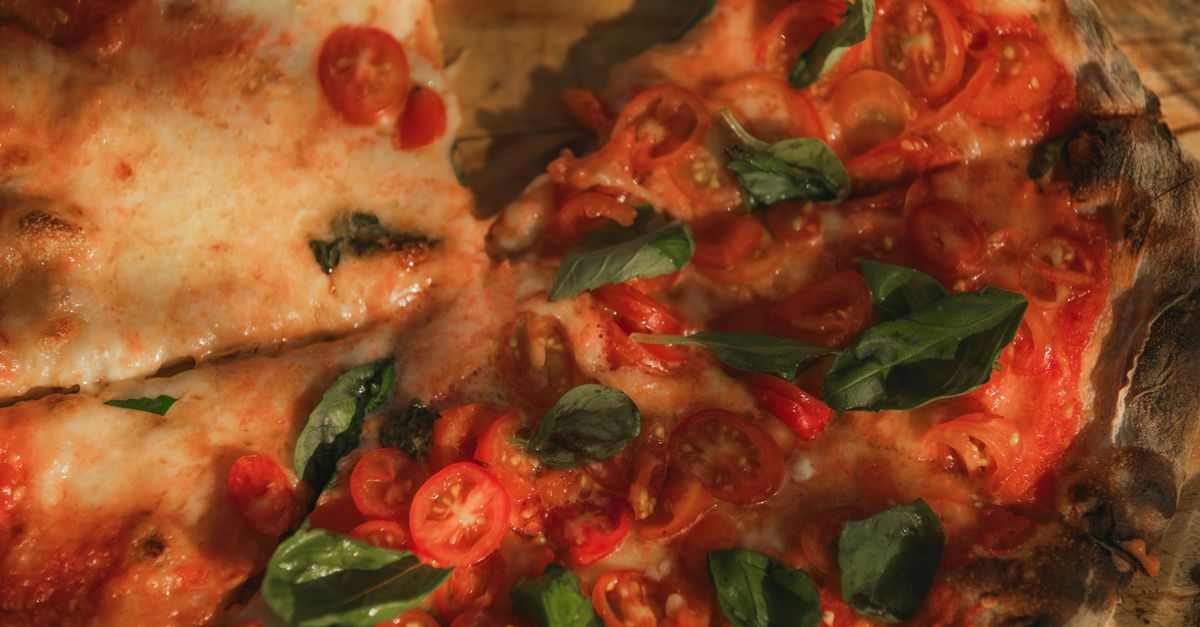
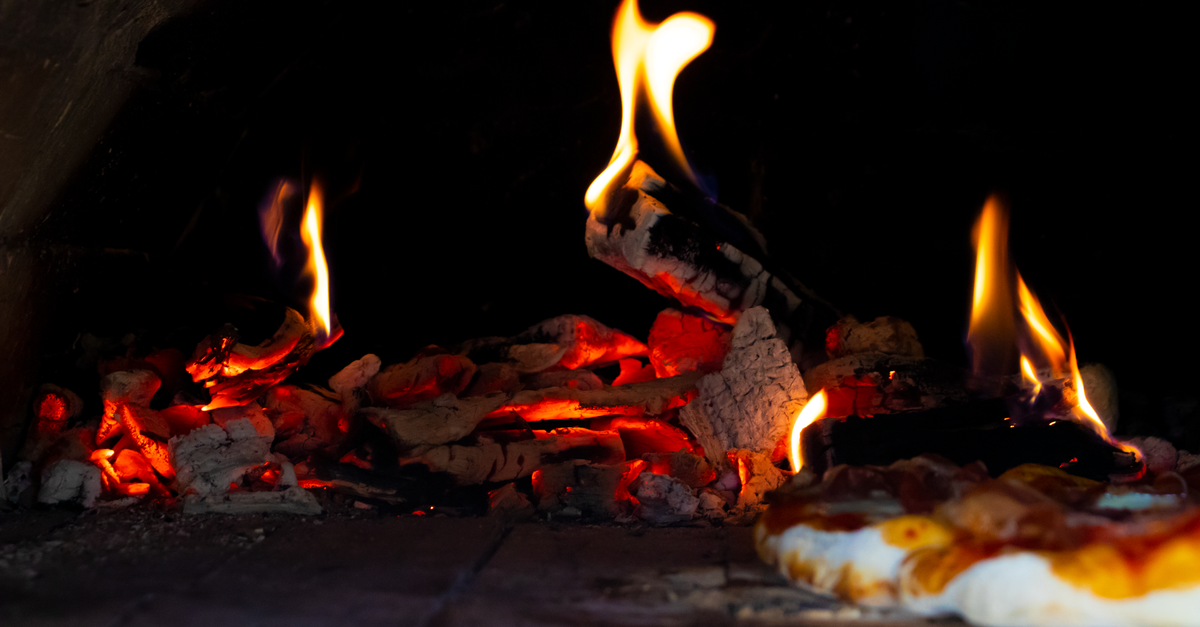
Few things in the garden beat pulling a leopard-spotted margherita out of a scorching brick dome, especially when the smoke that flavoured it came from wood you watched burn. A wood-fired pizza oven kit is the most popular route to that moment, but “kit” means two very different things in the UK market in 2026: a delivery of refractory bricks and clay that you assemble into a permanent brick pizza oven kit, or a portable stainless-shell oven that cooks in minutes. This guide compares both routes — drawing on manufacturer spec sheets, aggregated owner-review ratings across UK retailers, and UK-specific factors including smoke control compliance and total build cost — to identify the best kits for every budget and skill level.
Last updated: January 2026.
Before You Build: UK-Specific Rules Every Buyer Must Check
This section covers the legal and practical points that most comparison articles skip entirely — and that can make a permanent installation illegal or uninsurable.
Smoke Control Areas (Clean Air Act 1993)
If you live in an urban or suburban area of England, Wales or Scotland, there is a strong chance your property falls within a Designated Smoke Control Area under the Clean Air Act 1993. Within these zones, it is an offence to emit smoke from a chimney — including an outdoor pizza oven flue — unless the appliance is DEFRA-exempted or you are burning an authorised smokeless fuel. Wood is not an authorised fuel in a smoke control area unless the specific appliance holds a DEFRA exemption. You can check whether your address falls within a smoke control area via your local council’s website or the national postcode checker maintained by gov.uk. None of the DIY brick kits reviewed here carry a DEFRA exemption; the Ooni Karu 12 does not either, though Ooni’s gas burner attachment (sold separately) sidesteps the issue entirely.
Planning Permission for Permanent Structures
A permanent masonry pizza oven built on a plinth in your garden is generally considered a garden structure under Permitted Development rights in England (governed by the Town and Country Planning (General Permitted Development) (England) Order 2015). Provided it does not exceed 2.5 metres in height, is not forward of the principal elevation, and the total area of outbuildings does not exceed 50% of the curtilage, no planning application is normally required. However, if your property is in a Conservation Area, is a Listed Building, or if your permitted development rights have been removed by a planning condition, you must apply. Always check with your Local Planning Authority before you pour a base. The gov.uk planning portal provides the definitive guidance.
Kiln-Dried Hardwood: The Only Safe Fuel
Regardless of whether you are in a smoke control area, using the wrong wood in any pizza oven is both a performance and a safety issue. The UK’s Air Quality (Standards) Regulations require that wood sold as fuel must have a moisture content below 20% (the “Ready to Burn” standard, administered by the Woodsure scheme). For pizza ovens specifically, kiln-dried hardwoods — oak, ash, beech and fruitwoods — are strongly preferred because they burn hotter and cleaner than softwoods and produce less creosote. Never burn treated, painted or MDF-derived timber; the combustion products are toxic and will damage refractory materials.
How We Picked: Research Criteria
To select and compare the products below, we examined:
- Manufacturer spec sheets — fuel type, materials, declared operating temperatures, included components, and warranty terms, sourced directly from each brand’s UK product pages.
- Aggregated owner-review ratings — drawn from UK retailer listings (Amazon UK, Ooni.com, and specialist stove retailers) where review counts were sufficient to identify consistent patterns.
- UK-specific factors — smoke control compliance, planning implications, total cost of ownership (kit price plus base, insulation, flue and tools), and UK mainland delivery terms.
- Value at each price tier — what you actually get for the money, including what is conspicuously absent from the box.
This is a research-based comparison, not a hands-on test. Every factual claim is attributed to a named source or hedged where figures could not be independently verified.
At a Glance: Top Picks Compared
| Product | Approx. price (Jan 2026) | Pizza capacity | Fuel | Time to pizza | Construction required | Key omission |
|---|---|---|---|---|---|---|
| Stove Wizard DIY Kit | around £200 | Up to ~12–16” (builder-determined) | Wood | 1–2 hrs first fire + curing | Full masonry build | Base, insulation, flue, tools |
| Alfresco Chef Kit | roughly £350–£450 | Typically ~12” | Wood | Faster build; similar cure | Pre-formed dome assembly | Base, insulation |
| Ooni Karu 12 | typically around £450 | 12” | Wood or charcoal (gas attachment sold separately) | Around 15 minutes per Ooni’s published specs | None — ready to use | Gas burner attachment |
| Gozney Dome | typically around £1,199–£1,499 | 16” | Wood or gas | Around 20 minutes per Gozney’s published specs | None — ready to use | Gas hose/regulator |
Prices are approximate and shift with retailer promotions; check the manufacturer’s website or your chosen retailer for the current figure before purchasing.
Build Your Own or Buy Ready-Made?
Before you spend anything, decide which kind of outdoor pizza oven kit you actually want, because the two categories suit completely different people.
DIY refractory kits (bricks, clay, or pre-cast dome panels) are for cooking enthusiasts who want a permanent garden feature. The payoff is an oven that becomes part of the garden, holds heat for hours, and gives you bragging rights. The cost is time, physical labour, and a list of extras — base, insulation, flue, tools — that rarely appears in the headline price. Based on manufacturer curing guidance (see The Stove Wizard’s product documentation and Bushman Ovens’ published build guides, both of which describe multi-day curing schedules), a realistic timeline for a first DIY dome build is one full weekend to lay the dome, plus a minimum of seven to ten days of incremental curing fires before you cook on it at full temperature. Budget an additional £150–£300 for base materials, insulation board, a flue liner and basic tools, depending on what you already own — prices sourced from UK builders’ merchants including Jewson and Buildbase at January 2026.
Ready-made ovens like the Ooni Karu 12 are for anyone who values speed and convenience. According to Ooni’s published product specifications, the Karu 12 reaches its target cooking temperature in around 15 minutes. It sets up on a table or stand, and packs away afterwards. You sacrifice the “I built this” satisfaction and the sheer thermal mass of a brick dome, but you get consistent results with far less fuss — and no planning or smoke-control risk if you use the gas attachment.
There is also a middle ground — pre-formed dome kits that assemble in an afternoon rather than a full weekend — and it is often the smart compromise for anyone who wants the look of a build your own pizza oven UK project without the full masonry commitment.
The Stove Wizard DIY Pizza Oven Kit: The Cheapest Brick Pizza Oven Kit on the UK Market
This is about as close as the UK market gets to an honest, no-frills masonry kit. Sold by The Stove Wizard, a UK stove and fireplace materials specialist, it delivers the core refractory materials for a traditional dome-style oven. Per The Stove Wizard’s product listing, the kit includes 30 premium clay fire bricks and four 25kg bags of refractory powdered fire clay, which together cover the oven base, dome and entrance arch.
What makes this kit appealing is its simplicity. You are not paying for branding, fancy packaging or pre-cast panels — just the two materials that actually matter in a wood-fired oven. According to The Stove Wizard’s product documentation, the clay fire bricks are rated for high-temperature refractory use; the refractory clay mortar is formulated to bond the dome and withstand the thermal shock of repeated heating and cooling cycles. The whole lot comes to around £200 at the time of writing per The Stove Wizard’s website — which is exceptional value for a permanent masonry oven. Delivery to most UK mainland addresses is included in that price, though The Stove Wizard’s listings note a surcharge of around £15 for parts of the Scottish Highlands and Islands and Northern Ireland.
Who should not buy this: This kit is not suitable for anyone unwilling to learn basic bricklaying. The Stove Wizard does not supply printed build instructions with the kit; you will need to source a build guide independently (several detailed UK dome-build guides are published by Bushman Ovens and the Forno Bravo community forum, both freely accessible online). If you want an oven this month rather than this season, look at the Ooni Karu 12 instead.
What’s Included (Per the Manufacturer’s Product Listing)
- 30 premium clay fire bricks — sufficient for the base, dome and entrance of a domestic-scale oven, per The Stove Wizard’s stated kit specification
- 4 × 25kg bags of refractory powdered fire clay — the mortar material you mix and apply as you lay each course
What You Will Still Need to Source
The seller’s listing is explicit that additional materials are required. Based on The Stove Wizard’s own guidance and standard UK dome-build references, the additional items are:
- A solid base — a concrete plinth or brick pier, level and strong enough to support the finished dome’s weight
- Insulation — ceramic fibre blanket or vermiculite board over the dome; essential for heat retention and significantly reducing fuel consumption
- A flue or chimney — to draw smoke safely away; twin-wall flue liner sections are available from UK chimney specialists including Flue King and Specflue
- A dome former — The Stove Wizard’s own product page suggests using an inflated exercise ball as a temporary former, laid over with bricks and then deflated and removed once the mortar has set
- Tools — trowel, spirit level, rubber mallet and heat-resistant gloves; The Stove Wizard sells long-cuff stove gloves for roughly £17.50 a pair per their current product listing
Curing: Do Not Skip This Step
Per standard refractory manufacturer guidance (including the curing schedule described in Forno Bravo’s published oven-build documentation, which is widely cited in UK DIY oven communities), a new brick dome must be cured with a series of progressively hotter fires over at least seven to ten days before it is used at full pizza-cooking temperatures. Skipping or rushing the curing process risks cracking the dome.
Verdict: This is the most economical route to a genuine masonry oven in the UK. Aggregated owner reviews on The Stove Wizard’s retailer listings consistently praise the material quality and value while noting the build is more labour-intensive than first-timers expect. Factor in the full cost of extras — realistically an additional £150–£250 for base, insulation, flue and tools — before comparing the headline price to a ready-made oven.
Warranty: Check The Stove Wizard’s current product listing for stated warranty terms on the refractory materials, as these are subject to change.
The Alfresco Chef Wood-Fired Pizza Oven Kit: The Fastest DIY Build
The Alfresco Chef kit occupies the middle ground between a raw materials delivery and a fully assembled oven. Rather than individual bricks, it supplies pre-formed dome components that fit together in an afternoon, making it the most practical portable pizza oven kit compromise for buyers who want the aesthetic of a masonry oven without a full weekend of bricklaying.
Pricing sits at roughly £350–£450 depending on the specific configuration and retailer at the time of writing — check the Alfresco Chef website or UK outdoor living retailers for the current figure. At that price point, you are paying for the convenience of pre-formed components and a faster assembly process.
Who should not buy this: Buyers who want the maximum thermal mass of a full hand-laid brick dome will find the pre-formed approach a compromise. Check the current product listing carefully for what is and is not included — base and insulation are typically sourced separately.
Warranty and delivery: Refer to the Alfresco Chef product listing for current UK delivery estimates and warranty terms before purchasing.
The Ooni Karu 12: The Best Portable Pizza Oven Kit for Instant Results
The Ooni Karu 12 is the rational choice for anyone who wants wood-fired pizza without a construction project. It is a multi-fuel portable oven — wood, charcoal, or gas with the separately sold gas burner attachment — and according to Ooni’s published product specifications, it reaches its target cooking temperature in around 15 minutes. It accommodates pizzas up to 12 inches, which Ooni’s spec sheet confirms as the maximum stone size.
Pricing is typically around £450 at the time of writing per Ooni’s UK website; check Ooni.com or Amazon UK for the current price, as Ooni runs periodic promotions. The gas burner attachment is sold separately — budget approximately an additional £70–£90 for it per current UK retailer listings — and a compatible gas hose and regulator will add a further small cost depending on your setup.
Who should not buy this: The 12-inch capacity is a genuine limitation if you regularly cook for more than two or three people and want larger pizzas. The Gozney Dome (reviewed below) handles a 16-inch pizza per Gozney’s published specs and is worth considering if capacity matters. Additionally, if you are in a smoke control area and plan to use wood rather than gas, the Karu 12 does not hold a DEFRA exemption — the gas attachment is the compliant route in those zones.
Warranty: Ooni offers a three-year warranty on the Karu 12 when registered on their website, per Ooni’s stated warranty terms at the time of writing. Verify the current terms on Ooni.com before purchasing.
Delivery: Ooni ships directly to UK mainland addresses, typically within a few working days per their website; check Ooni.com for current lead times.
The Gozney Dome: The Premium Built-In Option
The Gozney Dome is the top-tier option in this comparison — a dual-fuel (wood and gas) oven with a 16-inch cooking capacity, per Gozney’s published product specifications. According to Gozney’s spec sheet, it reaches cooking temperature in around 20 minutes. It is a ready-to-use oven, not a construction project, and it shows in the finish quality.
Pricing is typically around £1,199–£1,499 depending on the bundle and retailer at the time of writing — check Gozney’s UK website for the current configuration and price. Note that a compatible gas hose and regulator are not always included and should be budgeted for separately.
Who should not buy this: The price point is a significant step up. Unless you regularly cook for larger groups, want the 16-inch capacity, or specifically value the dual-fuel flexibility and premium finish, the Ooni Karu 12 delivers wood-fired pizza at a considerably lower cost.
Warranty: Gozney offers warranty coverage on the Dome; check Gozney’s current UK terms on their website, as warranty periods and conditions are subject to change.
Full Comparison: Total Cost of Ownership
| Product | Kit/oven price | Estimated extras | Realistic total | Construction time | Max pizza size |
|---|---|---|---|---|---|
| Stove Wizard DIY Kit | around £200 | around £150–£300 (base, insulation, flue, tools) | around £350–£500 | 1–2 weekends + 7–10 days curing | Builder-determined |
| Alfresco Chef Kit | roughly £350–£450 | around £50–£150 (base, insulation) | roughly £400–£600 | Afternoon assembly + curing | Typically ~12” |
| Ooni Karu 12 | typically around £450 | around £70–£90 (gas attachment, optional) | typically around £450–£540 | None | 12” |
| Gozney Dome | typically around £1,199–£1,499 | Minimal (gas hose/regulator) | typically around £1,250–£1,550 | None | 16” |
All prices are approximate and should be verified against current retailer listings before purchase.
Frequently Asked Questions
How much does a DIY brick pizza oven really cost once you add the base, insulation and flue?
The Stove Wizard kit starts at around £200 for the core refractory materials, but that is only the beginning. A concrete base or brick plinth, ceramic fibre insulation blanket, a twin-wall flue liner section and basic tools add realistically around £150–£300 depending on what you source and where, based on prices at UK builders’ merchants including Jewson and Buildbase at January 2026. A realistic all-in budget for a complete DIY brick dome build using the Stove Wizard kit is therefore around £350–£500 — still considerably less than a ready-made Ooni or Gozney, but not as cheap as the headline kit price suggests.
Can I use a wood-fired pizza oven in a smoke control area?
Almost certainly not with wood as the fuel, unless the specific appliance holds a DEFRA exemption — and none of the brick kits reviewed here do. In a smoke control area, burning wood in a non-exempt appliance is an offence under the Clean Air Act 1993. The practical solution is to use the Ooni Karu 12 or Gozney Dome with their gas attachments, which do not produce smoke. Check your postcode against your local council’s smoke control area register or the gov.uk guidance before purchasing any wood-burning appliance.
Is a brick dome oven better than a portable Ooni?
It depends entirely on what you value. A hand-laid brick dome has far greater thermal mass — it holds heat for hours and can cook multiple successive pizzas without temperature drop — but it takes weeks from build to first cook, requires planning and legal checks for permanent installation, and costs more in total once extras are included. The Ooni Karu 12 reaches cooking temperature in around 15 minutes per Ooni’s published specs, requires no construction, and packs away when not in use. For most UK buyers who want excellent pizza without a major project, the Ooni is the more practical choice. For buyers who want a permanent garden centrepiece and are willing to invest the time, a brick dome is genuinely rewarding.
How long does a new brick oven take to cure, and why does it matter?
Per standard refractory manufacturer guidance — including the curing schedules published by Forno Bravo and referenced in Bushman Ovens’ UK build documentation — a new brick dome must be cured with a series of progressively larger fires over a minimum of seven to ten days before it is used at full pizza-cooking temperatures. The purpose is to drive residual moisture out of the refractory mortar and bricks gradually; firing at full temperature too soon risks cracking the dome. Do not skip or rush this process regardless of how eager you are to cook.
Does the Ooni Karu 12 need any assembly?
Minimal. Per Ooni’s product documentation, the Karu 12 requires only basic setup — attaching the chimney and door — before first use. There is no construction involved. If you want to use gas rather than wood or charcoal, the gas burner attachment is purchased separately for approximately £70–£90 at the time of writing, per current UK retailer listings.
What wood should I use in a pizza oven?
Use kiln-dried hardwood with a moisture content below 20%, which meets the UK’s Woodsure “Ready to Burn” standard. Oak, ash, beech and fruitwoods (apple, cherry) are the most commonly recommended for pizza ovens because they burn hot and clean. Never use treated timber, MDF offcuts, softwoods or any wood with paint or preservative — these produce harmful combustion products and will damage refractory surfaces.
Prices quoted throughout are approximate and based on manufacturer and retailer listings checked in January 2026. Retail prices change frequently; always verify the current price on the manufacturer’s website or your chosen UK retailer before purchasing.