Wild Camping Wales: The Essential Guide for 2026
Wild camping in Wales: the trespass laws that catch newcomers out, where to pitch discreetly in Eryri and beyond, and the gear for fickle Welsh weather.
Wild Camping Wales: The Essential Guide for 2026
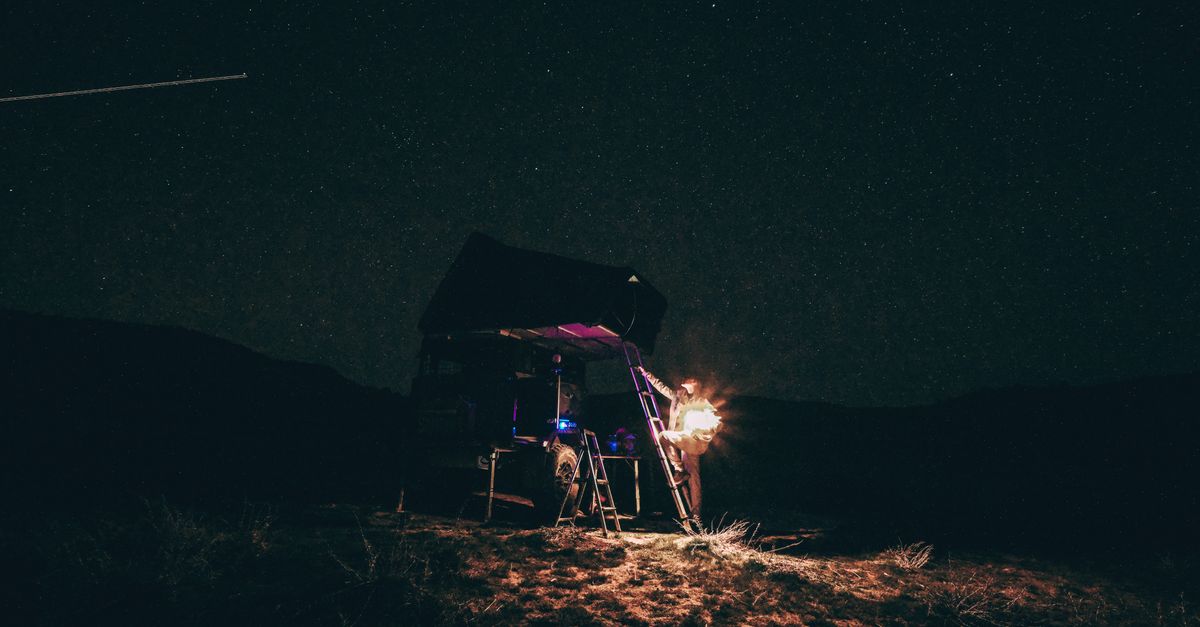
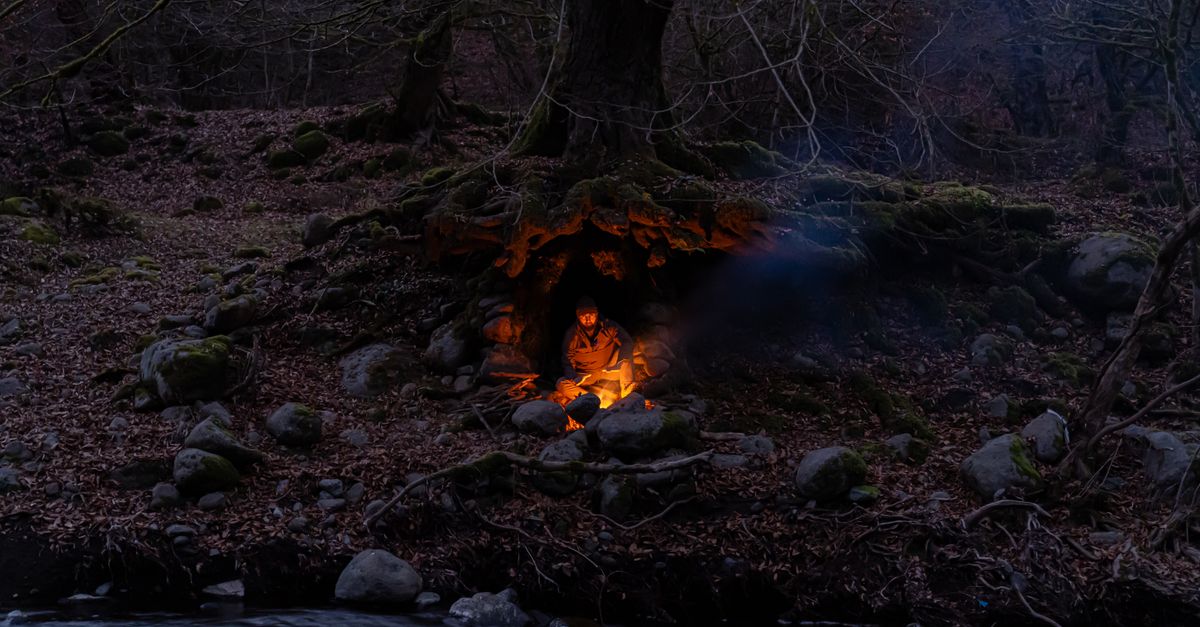
There’s a moment, just before the sun cracks the horizon over a Welsh ridge, when the world feels entirely your own. Wild camping in Wales offers that exact feeling — a chance to swap the hum of traffic for the sound of a stream and the glow of streetlights for a canopy of stars. Whether you’re aiming for the rugged flanks of Eryri (Snowdonia) or the quieter valleys of Bannau Brycheiniog (formerly the Brecon Beacons), getting the gear right and understanding the legal landscape is the difference between a brilliant night out and a miserable, cold one.
Below, you’ll find everything you need for a successful wild camp in Wales in 2026 — from the legal nuances that catch out newcomers, to the specific tents, sleeping mats and stoves that the UK outdoor community and expert publications consistently recommend for the job.
At a Glance: Quick Picks for Welsh Wild Camping
| Product | Best For | Typical Price |
|---|---|---|
| MSR Hubba Hubba NX 2 | Semi-freestanding shelter for multi-day routes | Around £500–£530 |
| Hilleberg Anaris | Tunnel design for serious weather protection | Around £580–£620 |
| Decathlon Quechua MH100 | Budget entry point for first-timers | Around £60–£70 |
| Therm-a-Rest NeoAir XTherm NXT | Sub-zero ridge nights | Price varies by retailer |
| Jetboil Flash | Fast boil times and fuel efficiency | Price varies by retailer |
Is Wild Camping Legal in Wales?
This is the first question every newcomer asks, and the answer demands precision. The single most important distinction to grasp is the difference between civil trespass and criminal offending.
The Civil vs. Criminal Distinction
Wild camping without the landowner’s permission is civil trespass in Wales. That means the landowner has an absolute right to demand your immediate departure — and there is no legally guaranteed “tolerance” threshold, no matter how discreet or responsible you are. Trespass at this level is a matter between you and the landowner; it is not, in itself, a police matter.
However, trespass can escalate to a criminal offence. Under the Criminal Justice and Public Order Act 1994, if a camper causes damage or refuses to leave when asked, the situation becomes aggravated trespass — and that is a criminal matter. The line between the two is straightforward in principle: camp without permission and you may be asked to leave (civil); cause damage or dig your heels in and you risk arrest (criminal).
What the National Park Authorities Say
The Eryri (Snowdonia) National Park Authority is explicit on its official website: wild camping requires landowner permission. There is no softening of that message in their published guidance — they do not endorse a grey area, even if one exists in practice. Campers who want to stay on the right side of the line should treat that position as definitive.
Bannau Brycheiniog — the official name for the range formerly known as the Brecon Beacons, following the 2023 rebrand — should be referred to in that form first, with the old name in parentheses if clarity is needed. The rebrand reflects a broader shift toward Welsh-language place names across the national parks, and using the correct forms matters when you’re researching access guidance, as official communications increasingly use the new names exclusively.
The Countryside Code (Welsh Edition)
The Countryside Code as published by Natural Resources Wales is the relevant code of conduct for anyone heading into the Welsh hills. Crucially, there is a separate Welsh edition that is distinct from the version published for England — the two are not interchangeable, and the Welsh version reflects devolved land management responsibilities. Familiarising yourself with the NRW edition specifically is the correct starting point for responsible access.
The Scotland Comparison
It’s worth understanding why Welsh wild campers operate in such a legally precarious position compared to their Scottish counterparts. The Land Reform (Scotland) Act 2003 establishes a statutory right of access that includes wild camping — a legal framework that simply has no equivalent in Wales. Scottish campers can pitch on most unenclosed land as of right; Welsh campers cannot. Any discussion of “the right to roam” in Wales must be qualified by the absence of this legislation.
Where to Wild Camp in Wales: Location Guide
The obvious summits — Yr Wyddfa (Snowdon), Pen y Fan — are the worst possible choices for a discreet wild camp. They see heavy footfall, regular ranger patrols, and zero tolerance for overnight stays. The locations below are where experienced wild campers actually go.
Carneddau Plateau (Eryri)
The Carneddau are the northernmost of Eryri’s major ranges, a broad, rolling plateau that sees far fewer walkers than the Glyderau or the Snowdon massif. The terrain is expansive and genuinely remote in places, with enough distance from roads and settlements to make a multi-night route feasible. Because the plateau is wide rather than narrowly ridge-bound, you can pitch well away from established paths and sightlines. For campers planning a two- or three-night traverse, the Carneddau offer some of the best combinations of remoteness and navigational clarity in the national park.
Rhinogydd (OL18 Map)
The Rhinogydd — covered on OS Explorer map OL18 (Harlech/Bala) — are widely regarded among experienced wild campers as Wales’s most genuinely remote area. The terrain is pathless and bouldery, demanding solid navigation skills and a tolerance for slow, physically demanding progress. That difficulty is precisely what keeps footfall low. If you’re confident with a map and compass and want a spot where you’re unlikely to see another tent, the Rhinogydd deliver an experience that feels closer to the Scottish Highlands than anything else in Wales.
Cambrian Mountains
The Cambrian Mountains — the sprawling upland area between Eryri and Bannau Brycheiniog — are lightly regulated and sparsely populated. There is no national park designation covering the bulk of the range, which means the de facto tolerance for discreet wild camping is often higher than in the heavily managed parks. The landscape is expansive moorland and forestry, with plenty of spots well away from roads and dwellings. This is the region to consider if you’ve grown frustrated by the formality of the national parks and want a more relaxed overnight experience — though the same legal principles of trespass still apply.
The Right OS Maps
For route-planning, you need the correct Ordnance Survey Explorer sheets at 1:25,000 scale. Three are essential for the locations above:
- Explorer OL17 (Snowdon/Conwy Valley) — covers the central Eryri massif including the Carneddau approaches from the north.
- Explorer OL18 (Harlech/Bala) — covers the Rhinogydd and surrounding terrain.
- Explorer OL12 (Bannau Brycheiniog) — covers the national park of the same name.
These maps show the field boundaries, water sources, contour detail and access land designations that you need to select a responsible pitch. Don’t rely solely on digital mapping — a physical map is a non-negotiable backup in terrain where phone batteries die quickly in the cold.
How to Choose Wild Camping Gear for Wales
Welsh weather is famously fickle. You can experience four seasons in a single day — sunshine, horizontal rain, gale-force winds, and a frosty morning — sometimes within the space of a few hours. Your gear needs to be lightweight enough to carry over rough ground, durable enough to survive being pitched on stone or heather, and warm enough for sub-zero ridge nights.
Tent design is the first decision. Semi-freestanding tents (which use a combination of poles and pegging points for structure) are popular because they can be pitched on rocky ground where pegs won’t hold. True geodesic designs — with poles crossing multiple times to create a self-supporting structure — offer superior wind resistance on exposed summits but tend to be heavier. Tunnel tents, which rely entirely on pegging tension to hold their shape, are exceptionally stable in wind when pitched end-on to the prevailing conditions but demand good ground and careful technique.
Sleeping mat R-value measures thermal resistance — the higher the number, the more insulation the mat provides between you and the cold ground. An R-value of around 3 is fine for summer use; for Welsh shoulder seasons and winter, you want significantly more. Ground temperature saps body heat faster than air temperature, which is why a high R-value mat matters more than a thicker sleeping bag in many conditions.
Stove choice comes down to speed, weight and cold-weather performance. Integrated canister stoves — where the pot locks onto the burner — are fast and fuel-efficient but can struggle in freezing temperatures, because the isobutane/propane mixtures in standard canisters lose vapour pressure below approximately 4 °C. That’s a significant limitation for Welsh winter camping, where overnight lows routinely drop well below that threshold.
Tent Reviews
MSR Hubba Hubba NX 2
Best for: Multi-day routes where weight matters but you want a liveable two-person shelter.
The MSR Hubba Hubba NX 2 is a semi-freestanding two-person, three-season tent that has become a fixture on UK wild camping kit lists. It uses DAC Featherlight NSL poles — not the Easton Syclone poles found on some older MSR specifications; check the current manufacturer page to confirm. The semi-freestanding design means the pole structure supports most of the tent’s shape, but you’ll still need to peg out the vestibule points for a taut pitch. The manufacturer-stated minimum weight is approximately 1.59 kg, which is competitive for a two-person shelter at this price point.
The tent’s MSRP typically sits at around £500–£530, positioning it as a serious investment. The trade-off for the low weight and spacious interior is that the near-vertical inner walls catch wind on exposed ridges — this is not a true geodesic design, and the pole geometry doesn’t shed gusts as effectively as a crossed-pole structure. The r/UKhiking community consensus on Reddit consistently flags wind noise as an issue in high winds, with several owners reporting that the tent flexes noticeably in gusty conditions on open ground.
Caveat: Not the best choice for exposed, high-level pitches in storm conditions — pitch below the ridge line or in a sheltered hollow if high winds are forecast.
Verdict: A superb lightweight option for valley and lee-side camping, but understand its wind limitations before you commit.
Where to buy: Typically stocked at Cotswold Outdoor, Ellis Brigham and Alpkit — compare prices across all three before purchasing.
Hilleberg Anaris
Best for: Experienced campers who want a tunnel tent that can handle serious Welsh weather when pitched correctly.
The Hilleberg Anaris is a two-pole tunnel design — not a single-pole tent, a distinction that matters because the two-pole geometry provides significantly more headroom and structural stability than a single-hoop shelter. The manufacturer-stated minimum weight is 1.2 kg, making it lighter than the Hubba Hubba NX 2 despite its more weather-focused design. The tent uses Kerlon 1000 fabric — Hilleberg’s proprietary coated nylon, not silnylon — which the manufacturer rates for a higher tear strength than standard tent fabrics, meaning it’s more resistant to damage from wind-borne debris or accidental snagging on rough ground.
The MSRP is typically around £580–£620, placing it at the premium end of the market. Trail Magazine has reviewed the Hilleberg range favourably for UK conditions, which is a meaningful endorsement given the publication’s long-standing focus on British hillwalking and backpacking.
The critical limitation is that tunnel tents require precise pegging to achieve their structural geometry. The Anaris depends on tension across its peg points to hold the poles in shape — on rocky ground where pegs won’t go in cleanly, you’ll need extra guy lines and creative anchoring (wrapping guys around boulders, using deadman anchors in soft ground). If you can’t achieve a taut pitch, the tent’s wind-shedding advantage disappears.
Caveat: Poor on rocky ground without extra guys and careful site selection — this is a tent that rewards skill and punishes haste.
Verdict: A beautifully engineered shelter for those who know how to pitch a tunnel tent properly; invest the time to learn before taking it onto a Welsh ridge.
Where to buy: Typically stocked at Cotswold Outdoor and Tiso — check both for current availability and pricing.
Decathlon Quechua MH100
Best for: First-timers and occasional campers who want a functional tent without a four-figure outlay.
The Decathlon Quechua MH100 — note that Quechua is the correct brand name, as Decathlon’s in-house outdoor sub-brand — weighs approximately 2.4 kg and typically costs around £60–£70. That weight is significantly higher than the MSR or Hilleberg options (roughly 800 g heavier than the Hubba Hubba NX 2 and over a kilogram heavier than the Anaris), which makes it less appealing for long multi-day routes. However, for a single overnight camp accessed via a relatively short walk-in, the weight penalty is manageable and the price is unmatched.
The MH100 is a straightforward design that does the basics: it keeps the rain out, provides a sleeping area, and pitches quickly. It won’t offer the wind resistance of a tunnel or geodesic tent, and the materials are heavier and less refined than premium alternatives. But for someone testing whether wild camping is for them before committing to a £500+ tent, it’s the logical starting point.
Caveat: The weight makes it impractical for serious multi-day backpacking — plan shorter approach walks.
Verdict: The best value entry point in the category; buy it for your first few trips, then upgrade if you’re hooked.
Where to buy: Stocked directly at Decathlon stores and via the Decathlon website.
Sleep System
Therm-a-Rest NeoAir XTherm NXT
Best for: Sub-zero Welsh ridge nights where ground insulation is the difference between sleeping and shivering.
The Therm-a-Rest NeoAir XTherm NXT has a manufacturer-stated R-value of 7.3 — a figure that places it among the highest-rated sleeping mats on the market. To put that in context, an R-value of 7.3 means the mat provides exceptional thermal resistance, suitable for winter conditions and sub-zero temperatures. For Welsh ridge camping in the shoulder seasons or winter — when ground temperatures can drop well below freezing even if the daytime air temperature feels mild — this level of insulation is not overkill. Ground chill is a more significant factor than many campers realise: your body compresses the insulation in your sleeping bag beneath you, reducing it to near-zero, which means the mat alone is responsible for preventing heat loss into the ground.
The NXT iteration of the XTherm represents a refinement of the earlier design, with improvements to noise (earlier NeoAir mats were notoriously crinkly) and pack size. The reflective internal layers that provide the mat’s impressive R-value also mean it packs down smaller than you might expect for something this warm.
Caveat: The high R-value makes it over-specified for high summer — if you only camp in July and August, a lighter, lower-R-value mat would save weight and money.
Verdict: The gold standard for cold-weather Welsh wild camping; buy it once and it will serve you from October through to May.
Where to buy: Typically stocked at Cotswold Outdoor, Ellis Brigham and Tiso — compare across retailers for the best current price.
Cooking System
Jetboil Flash
Best for: Fast, fuel-efficient boil-ups for dehydrated meals and hot drinks — minimal faff, maximum speed.
The Jetboil Flash is an integrated canister stove system, meaning the burner and pot lock together as a single unit for efficient heat transfer. The manufacturer claims a boil time of 100 seconds for 500 ml of water — a figure that reflects the system’s designed-in efficiency, with a flux ring on the pot base capturing heat that would otherwise be lost to the surrounding air. For wild camping, where you’re typically boiling water for rehydrated meals and hot drinks rather than simmering sauces, this speed and efficiency translates directly into fuel savings and less time spent standing in the cold.
The critical limitation to understand is how isobutane/propane canisters perform in cold weather. The fuel inside standard canisters is a blend of isobutane and propane, both of which are stored as liquid under pressure and vaporise to feed the burner. Below approximately 4 °C, the vapour pressure of these fuel blends drops significantly, meaning the stove burns weaker, slower, and in extreme cases may struggle to sustain a flame at all. This is directly relevant to Welsh winter and shoulder-season camping, where temperatures routinely fall below that threshold. In cold conditions, you can mitigate this by keeping the canister inside your jacket or sleeping bag before use, or by using a canister with a higher propane content — but the fundamental limitation remains.
Caveat: Not suitable for cold-weather use below around 4 °C without active canister warming — plan an alternative cooking method for winter trips.
Verdict: Unbeatable for three-season speed and efficiency; understand its cold-weather limits before relying on it for a January bivvy.
Where to buy: Typically stocked at Cotswold Outdoor, Ellis Brigham, Tiso and Alpkit — widely available across UK outdoor retailers.
UK Retail Anchors: Where to Buy
When price-checking the gear above, the following UK-based retailers are the key stockists to compare:
- Cotswold Outdoor — major national chain with a wide range of premium brands; frequent sales and a member discount scheme.
- Tiso — Scottish-based retailer with a strong reputation for technical outdoor gear; stocks brands like Hilleberg and Therm-a-Rest.
- Alpkit — UK-based and a certified B-Corp, meaning the company meets independently verified standards of social and environmental performance. Worth supporting on principle, and they stock a growing range of third-party brands alongside their own-brand gear.
- Ellis Brigham — long-established outdoor retailer with a strong mountain-sports focus; a reliable source for MSR, Hilleberg and Jetboil products.
Always compare prices across at least two of these retailers before purchasing, as stock levels and promotional pricing can vary significantly. Prices in this guide are hedged approximations based on typical MSRP at the time of writing in 2026 — actual retail prices may fluctuate.
Frequently Asked Questions
Can I wild camp legally in Wales without asking permission?
No. Wild camping without landowner permission is civil trespass in Wales. The landowner has an absolute right to ask you to leave at any time, and there is no legally guaranteed tolerance period. If you cause damage or refuse to leave when asked, it becomes aggravated trespass under the Criminal Justice and Public Order Act 1994, which is a criminal offence. The only way to wild camp with full legal certainty is to obtain the landowner’s consent in advance.
How does wild camping in Wales differ from Scotland?
Scotland has the Land Reform (Scotland) Act 2003, which gives a statutory right of access that includes wild camping on most unenclosed land. Wales has no equivalent legislation — there is no legal right to wild camp anywhere in Wales. Scottish campers can pitch as of right; Welsh campers are always technically trespassing unless they have permission, regardless of how discreet or responsible they are.
What does the Eryri National Park Authority say about wild camping?
The Eryri National Park Authority explicitly states on its official website that wild camping requires landowner permission. Their guidance does not endorse a grey area or a tolerance threshold. Campers should treat this as the definitive position and either seek permission or use designated campsites within the park boundary.
Which OS Explorer maps do I need for wild camping in Wales?
For the locations covered in this guide, you need OS Explorer OL17 (Snowdon/Conwy Valley) for the Carneddau and central Eryri approaches, OL18 (Harlech/Bala) for the Rhinogydd, and OL12 (Bannau Brycheiniog) for the Brecon Beacons national park. All three are 1:25,000 scale, which provides the contour detail, water sources and boundary information needed to select a responsible, discreet pitch.
Will my Jetboil Flash work in winter conditions in Wales?
The Jetboil Flash uses isobutane/propane canisters, which lose vapour pressure below approximately 4 °C. In Welsh winter conditions — where overnight temperatures routinely drop below freezing — this means the stove will burn weaker and slower, and may struggle to sustain a flame. You can mitigate this by warming the canister inside your clothing before use, but for reliable winter cooking you may need a liquid-fuel stove or a canister stove with a pressure regulator designed for cold conditions.
What R-value sleeping mat do I need for Welsh wild camping?
For summer use (June–August), an R-value of around 3 is typically sufficient. For shoulder seasons (spring and autumn), look for an R-value of 4–5. For winter camping on Welsh ridges, where ground temperatures can drop well below zero, you want an R-value of 6 or higher — the Therm-a-Rest NeoAir XTherm NXT’s R-value of 7.3 is designed for exactly these conditions. Remember that your sleeping bag’s insulation is compressed beneath you, so the mat is your primary barrier against ground chill.
Is the Bannau Brycheiniog the same place as the Brecon Beacons?
Yes. The national park was officially rebranded as Bannau Brycheiniog in 2023. The new name is the correct form to use when researching access guidance, contacting the park authority, or referring to the area in route planning. The old name — Brecon Beacons — is still widely understood and can be used parenthetically for clarity, but the official designation is now Bannau Brycheiniog.