Snowdonia Wild Camping Map: Eryri Rules and Where It's Tolerated
Where wild camping is tolerated in Eryri (Snowdonia), the Welsh legal position, an area-by-area guide, and the rules that keep it accepted.
Snowdonia Wild Camping Map: Eryri Rules and Where It’s Tolerated
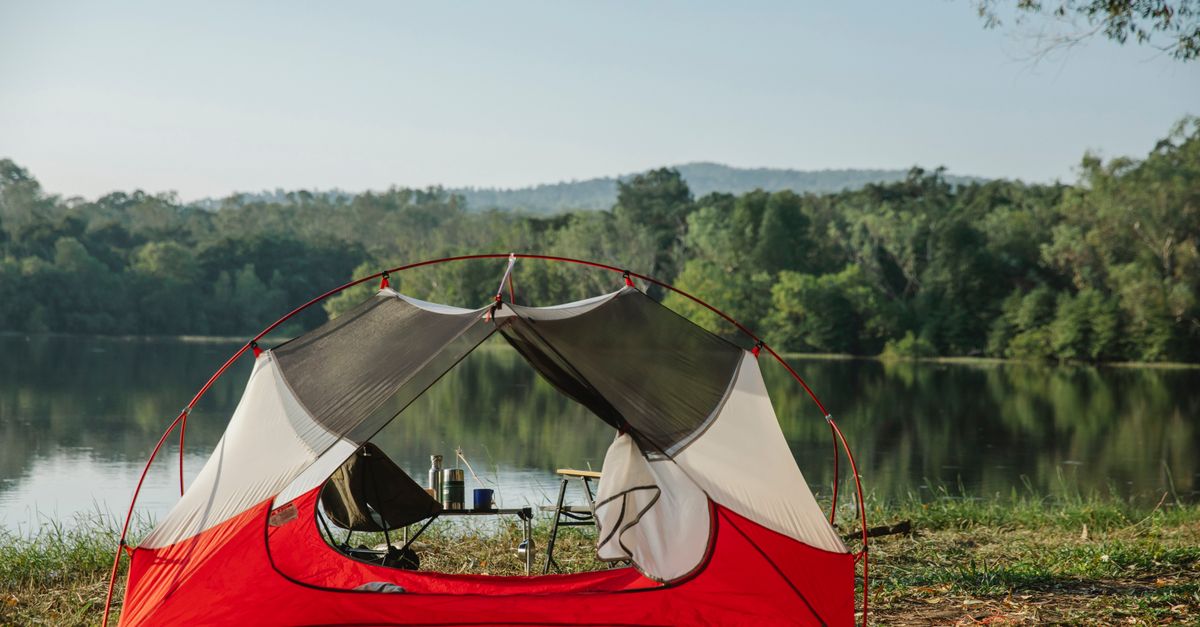
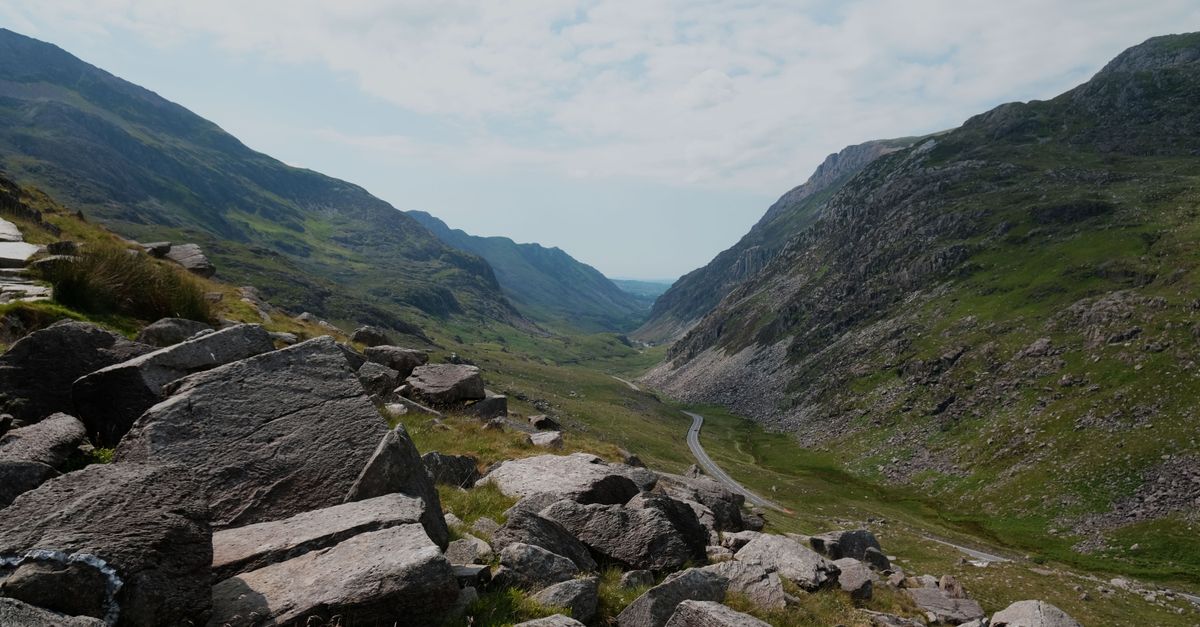
Eryri — the national park most people still search for as Snowdonia — has some of the finest high camping in Britain, and one of its worst reputations for camping gone wrong. The two facts are connected. This guide is based on desk research: National Park Authority and National Trust guidance, Natural Resources Wales material, Ordnance Survey mapping and published walking sources rather than first-hand testing. Below you will find the Welsh legal position stated plainly, an area-by-area breakdown, the places to avoid outright, and the rules the tolerance depends on.
Quick Reference
| Area | Tolerance | Notes |
|---|---|---|
| High ground, Carneddau and Glyderau | Generally tolerated if responsible | Remote, high, away from honeypots |
| Yr Wyddfa (Snowdon) main paths and summit | Actively discouraged | The most heavily damaged ground in the park |
| Valley floors, laybys, lakeshores | Not tolerated | Enclosed farmland; active enforcement in places |
A Note on the Name
The National Park Authority formally adopted Eryri as the park’s name and Yr Wyddfa for the mountain in 2022. Both Welsh names are now used in official signage and guidance. Most search traffic and most maps in circulation still say Snowdonia and Snowdon, so you will meet both; they refer to the same places.
The Legal Position
There is no right to wild camp in Wales. Like England, Wales has no equivalent of Scotland’s statutory access right. The Countryside and Rights of Way Act 2000 provides a right of access on foot to mapped open access land in England and Wales, but camping is expressly excluded from it. Pitching a tent without the landowner’s permission is a civil trespass.
What you have instead is a tolerance for genuinely responsible high-level camping, extended in practice by landowners including the National Trust, Natural Resources Wales and private farmers. The National Park Authority’s published position is that wild camping requires the landowner’s permission, while acknowledging that discreet, high, one-night camping that leaves no trace is generally accepted.
That tolerance is noticeably thinner in Eryri than in the Lake District, for a specific reason: the park has suffered heavily from roadside and lakeside camping, abandoned tents and fire damage, particularly during the surge in visitor numbers from 2020 onward. Landowner patience is a finite resource and a good deal of it has already been spent.
Much of the park is working farmland. Sheep farming on the Welsh uplands is marginal, and campers pitching in fields, leaving gates open, letting dogs run near stock or lighting fires cause real financial harm. That is the context to hold in mind.
Where It Is and Is Not Accepted
The same convention applies as elsewhere in Britain: above the highest enclosing wall, on open mountain, out of sight of roads and houses. Below that, you are on farmland.
Carneddau. The broad, high plateau north of the Ogwen valley is the most sensible wild camping ground in the park — genuinely remote by Welsh standards, large, and away from the honeypots. Ground near Llyn Dulyn and Melynllyn and the high ground around Foel Grach and Carnedd Llewelyn is used. There is a mountain refuge near Foel Grach, which is emergency shelter rather than accommodation. Note the Carneddau carries semi-wild ponies and grazing sheep; keep dogs on leads and pitch clear of stock.
Glyderau. High ground around Llyn y Cwn between Glyder Fawr and Y Garn, and the plateau near Castell y Gwynt, is spectacular and very exposed. The rock is broken and flat pitches are scarce — this is a place to arrive with a plan and a small tent.
Rhinogydd. The rough, heathery, pathless country south of Trawsfynydd is the quietest ground in the park and the least likely to bring you into contact with anyone at all. Navigation is genuinely hard here; it is not a beginner’s wild camp.
Arenig and Aran ranges. Quiet, high, and generally accepted if you are discreet. Note that access on the Aran ridge has a history of negotiated permissive routes with local farmers — stay on established paths and be especially careful about camping and gates in this area.
Yr Wyddfa (Snowdon). Be direct about this one: camping on and immediately around Yr Wyddfa is actively discouraged, and camping at the summit is a persistent problem the park explicitly asks people not to add to. The main paths — Llanberis, Pyg, Miners, Watkin — carry enormous footfall, the ground is heavily eroded, and the summit area sees abandoned tents and human waste. If you want a high camp with a Wyddfa view, camp elsewhere and walk to it.
Where Not to Camp
- Laybys along the A5, A498 and Llanberis Pass. Roadside camping and campervan overnighting is the single biggest source of friction in the park, and some areas carry parking restrictions and active enforcement.
- Llyn Padarn, Llyn Gwynant, Llyn Ogwen shorelines. Lakeside pitches are not covered by the tolerance.
- Enclosed fields anywhere. Working farmland; ask a farmer directly if you want to camp low, and many will say yes for a small fee.
- Cwm Idwal. A National Nature Reserve of considerable scientific importance, with fragile arctic-alpine plant communities. Do not camp there.
- Anywhere near the summit of Yr Wyddfa.
- On archaeology. Eryri is dense with cairns, hut circles, old quarry workings and slate infrastructure. Quarry ground in particular is genuinely dangerous — unstable spoil, open shafts and unroped drops.
The Rules the Tolerance Depends On
- Arrive late, leave early. Pitch near dusk, be gone soon after dawn.
- One or two tents, one night. Larger groups should book a campsite.
- No fires. Ever. Upland Wales includes deep peat and dry summer heath, and fire damage in the park has been severe. Use a stove.
- Carry everything out — all litter, all food waste.
- Bury human waste at least 30m from water, around 15cm deep, and carry out all paper and hygiene products.
- Dogs on leads near livestock. Sheep worrying is a criminal offence and farmers are entitled to act to protect stock. Lambing season runs roughly February to May.
- Gates as you find them, and never climb walls — Welsh drystone walls are expensive to rebuild.
- Move on politely if asked.
Practical Notes
- Weather. Eryri is among the wettest places in Britain, and the mountains generate their own weather quickly. Check the Met Office mountain forecast for Snowdonia specifically rather than a valley town forecast.
- Wind. High pitches on the Glyderau and Carneddau are savagely exposed. A tent’s wind stability matters far more than its temperature rating, and a sheltered pitch beats a scenic one.
- Water. Filter or treat everything. Sheep graze the whole of this ground, and old mine and quarry workings mean some streams carry metal contamination — take from flowing water high on the hill, not from standing pools below workings.
- Navigation. OS Explorer OL17 (Snowdon/Yr Wyddfa) and OL18 (Harlech/Bala) cover most of it. The Rhinogydd and the Carneddau plateau in cloud are serious navigational propositions.
- Welsh place names. Learning to read the basics helps enormously with the map: llyn is a lake, cwm a valley or corrie, bwlch a pass, carnedd a cairn or peak, afon a river, mynydd a mountain.
- Parking. Popular trailhead car parks fill very early and roadside parking is restricted in many places. Plan where you leave the car before you plan the pitch.
FAQ
Is wild camping allowed in Snowdonia (Eryri)? Not as a legal right. Wales, like England, has no statutory right to camp — the Countryside and Rights of Way Act 2000 grants access on foot to mapped open access land but specifically excludes camping, so pitching without the landowner’s permission is a civil trespass. In practice, discreet, high, one-night camping that leaves no trace is generally tolerated by landowners. That tolerance is thinner here than in the Lake District because of sustained problems with roadside and lakeside camping, so the standard expected is high.
Can I camp on Snowdon (Yr Wyddfa)? It is strongly discouraged, and camping at or near the summit is a specific problem the National Park asks people not to contribute to. The main routes carry very heavy footfall, the ground is badly eroded, and the summit area suffers from abandoned tents and human waste. If you want to wake up high with a view of Yr Wyddfa, camp on the Carneddau or Glyderau instead — the views are arguably better and the ground can absorb it.
Where is the best wild camping in Eryri? The Carneddau is the most sensible choice: high, broad, genuinely remote, and away from the honeypots, with recognised ground near Llyn Dulyn and around Carnedd Llewelyn. The Glyderau offers dramatic but very exposed pitches near Llyn y Cwn. For real solitude the Rhinogydd south of Trawsfynydd sees almost nobody, though the navigation there is demanding and it suits experienced hill walkers rather than a first wild camp.
Do I need permission to wild camp in Wales? Strictly, yes — the land belongs to someone, and camping without their permission is trespass. For high mountain ground, asking is usually impractical and discreet responsible camping is tolerated instead. For lower ground, valley floors and anywhere near a farm, asking is both practical and the right thing to do; many Welsh hill farms will let you pitch for a small fee. If you are approached and asked to move on, pack up and go without argument.