The Best Midge Repellent for Scotland in 2026: A Highland Survival Guide
The best midge repellents for Scotland compared, from Icaridin sprays like Smidge to high-strength DEET, with head nets for peak Highland midge season.
Last reviewed: April 2026. Prices correct as of April 2026 — check retailer for current pricing.
The Best Midge Repellent for Scotland in 2026: A Highland Survival Guide
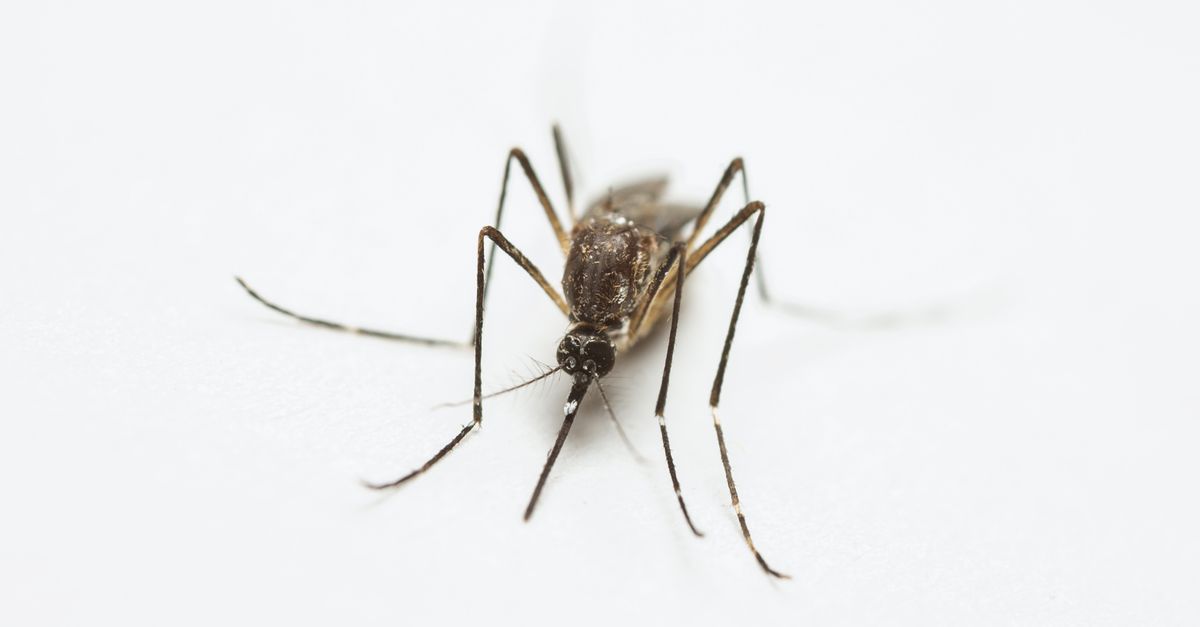
There is no sound quite like it. A high-pitched, persistent whine at dusk that signals the arrival of the Scottish midge (Culicoides impunctatus). For anyone who has spent a summer evening on the west coast of Scotland, the experience is unforgettable. Thousands of tiny biting flies, no bigger than a pinhead, can turn a tranquil loch-side camp into a frantic retreat in minutes.
The midge season in Scotland typically runs from mid-May to late September, with peak activity in June and July. The most punishing conditions occur at dawn and dusk, in still, humid air, and near standing water. The Scottish Midge Forecast (midgeforecast.co.uk), operated by Smidge/Scotch Midge Ltd, provides regional activity predictions for the Highlands — such is the impact of midges on tourism and outdoor life. Note that Smidge, which operates this forecast service, is also our top-rated repellent below; readers should weigh that commercial relationship accordingly.
This guide draws on manufacturer specifications, peer-reviewed entomological research (including published work from Rothamsted Research and ARCTEC on Culicoides impunctatus host-finding behaviour), verified purchaser reviews from Amazon UK and Go Outdoors, and expert commentary from TGO Magazine and The Scottish Mountaineer. Specific citations are provided inline throughout.
Quick Comparison: Best Midge Repellents for Scotland 2026
| Product | Active Ingredient | Best For | Duration (approx.) |
|---|---|---|---|
| Smidge | 20% Icaridin | All-day wear, gear safety | 6–8 hrs |
| Avon Skin So Soft | Undisclosed (cosmetic) | Budget, mild conditions | 2–3 hrs |
| Lifesystems Expedition | 20% Icaridin | Value Icaridin alternative | 6–8 hrs |
| Jungle Formula Maximum | 50% DEET | Severe conditions, short bursts | 4–6 hrs |
| Smidge Wipes | 20% Icaridin | Portability, kids’ use | 4–6 hrs |
Why Generic Insect Repellents Underperform Against Scottish Midges
Before diving into product recommendations, it is worth understanding why the Scottish midge presents a particular challenge for repellent formulation. Research by Dr. James Logan and colleagues at Rothamsted Research (Logan JG et al., Medical and Veterinary Entomology, 2010) established that Culicoides impunctatus responds to both carbon dioxide and skin-derived kairomones — the specific volatile chemical signals produced by human skin — when locating a host. This dual host-finding mechanism means repellents that work primarily by masking CO₂ output are only partially effective.
Many standard UK insect repellents are formulated primarily for mosquitoes and ticks. The Logan et al. research confirms that DEET is effective against Highland midges, but efficacy is significantly dependent on concentration and reapplication frequency. A 20% DEET product applied once may provide adequate protection for 2–3 hours; a 50% DEET formulation extends that window but does not categorically outperform a well-applied 20% Icaridin product over a full day. The practical implication is that product selection for Scottish conditions should prioritise reapplication convenience and skin-compatibility alongside headline active ingredient concentration.
The key active ingredients with documented efficacy against Culicoides impunctatus are:
- DEET (Diethyltoluamide): Effective against midges at concentrations of 20–50%. Can damage synthetic fabrics, plastics, and watch straps. Higher concentrations extend protection duration rather than increasing peak efficacy.
- Icaridin (Picaridin): A synthetic compound with comparable efficacy to DEET in field conditions, documented in Rothamsted Research trials. Odourless, non-greasy, and safe on gear and plastics. Increasingly the formulation of choice in UK midge-specific products.
- Citriodiol (PMD): A plant-based repellent derived from lemon eucalyptus oil. Effective but requires more frequent reapplication than DEET or Icaridin at equivalent concentrations.
- Permethrin: A synthetic insecticide for use on clothing only — never on skin. Efficacy against Highland midges on treated clothing is less robustly established than for mosquitoes and ticks; the primary evidence base comes from Insect Shield’s efficacy data and US military studies on Culicoides species. Treat clothing as a supplementary barrier, not a primary repellent strategy.
The Top 5 Midge Repellents for Scotland in 2026
1. Smidge Insect Repellent — Best Overall
Best for: All-day wear without gear damage Active Ingredient: 20% Icaridin (Picaridin) Scent: Virtually odourless Format: Pump spray, roll-on, and wipes
Check price at Amazon UK Check price at Boots
Smidge is manufactured by Scotch Midge Ltd and is formulated specifically to repel the Scottish midge using 20% Icaridin — the same concentration used in Lifesystems Expedition (see below), though the carrier formulations differ. Scotch Midge Ltd’s published product specification confirms the 20% Icaridin concentration and a claimed protection duration of up to 8 hours under normal conditions.
What the reviews say: On Amazon UK, Smidge pump spray holds a rating of 4.4 stars from over 2,800 verified reviews (as of April 2026). Reviewers consistently highlight the non-greasy texture and absence of strong chemical odour. TGO Magazine’s gear coverage has repeatedly featured Smidge as the benchmark Scottish midge repellent for Icaridin-based options. Community consensus on UKCampsite and r/OutdoorScotland echoes this: users report effective protection through category 3–4 midge forecast conditions, with reapplication recommended at category 5 and above.
Pros:
- Documented midge-specific Icaridin formulation
- No damage to plastics, sunglasses, or tent zips
- Odourless and non-greasy
- Suitable for children aged 2 and over (per Scotch Midge Ltd label guidance — always check current label before use on children)
Cons:
- Slightly more expensive per ml than DEET-based options
- User reviews report reduced efficacy in category 5+ midge forecast conditions without reapplication
- Scotch Midge Ltd also operates the Scottish Midge Forecast — a commercial relationship worth noting
Price: £9.99 for 100ml at Boots UK; £15.99 for 200ml at Amazon UK. Check retailers for current pricing.
2. Avon Skin So Soft Dry Oil Spray — Best Budget Option (With Caveats)
Best for: Mild midge conditions on a tight budget — read the caveats below before purchasing Active Ingredient: Undisclosed proprietary cosmetic blend (not DEET, not Icaridin, not a registered insect repellent) Scent: Strong floral/perfume Format: Dry oil spray
Check price at Amazon UK Check price at Avon UK
Important regulatory note: Avon Skin So Soft Dry Oil Spray is a cosmetic product, not a licensed insect repellent. It is not registered under the UK Biocidal Products Regulation (BPR) as an insect repellent, and Avon makes no official repellent claims for it. Avon has never disclosed a specific active repellent compound. Readers applying this product to children’s skin in particular should be aware that it has not undergone the safety and efficacy assessment required of licensed repellents under UK BPR.
With that clearly stated: Avon Skin So Soft has achieved genuine cult status among Scottish hillwalkers, fishermen, and outdoor workers, and the volume of positive anecdotal evidence is too substantial to dismiss. The prevailing theory — unconfirmed by Avon — is that the oil-based formula creates a physical film on the skin that midges find difficult to bite through, rather than acting as a chemical repellent in the conventional sense.
What the reviews say: On Amazon UK, the Dry Oil Spray holds 4.3 stars from over 4,500 verified reviews, making it one of the most reviewed products in this category. Community feedback on r/OutdoorScotland and UKCampsite consistently describes it as effective in light to moderate midge activity, with users noting it requires reapplication every 2–3 hours and performs less reliably in high-category midge conditions compared to Icaridin-based products.
Pros:
- Very low cost per application
- Widely available in UK supermarkets and pharmacies
- Leaves skin feeling moisturised
- Large body of positive anecdotal evidence from Scottish outdoor community
Cons:
- Not a licensed insect repellent under UK BPR — no regulated efficacy claims
- Active repellent mechanism unknown; no peer-reviewed efficacy data for Culicoides impunctatus
- Strong perfume scent
- Shorter effective window than Icaridin or DEET products
- Not appropriate as a primary repellent in heavy midge conditions
Price: Approximately £8–£10 for 150ml. Check Amazon UK and Avon UK for current pricing.
3. Lifesystems Expedition 20 — Best Icaridin Alternative to Smidge
Best for: Value-conscious buyers wanting a regulated Icaridin repellent Active Ingredient: 20% Icaridin (Picaridin) Scent: Light, mild Format: Pump spray
Check price at Amazon UK Check price at Go Outdoors
Lifesystems Expedition 20 uses the same 20% Icaridin concentration as Smidge, making it directly comparable in terms of active ingredient. The carrier formulation differs — Lifesystems uses a lighter spray base — which some users find less moisturising on the skin but equally effective as a repellent. Unlike Smidge, Lifesystems has no commercial relationship with the Scottish Midge Forecast service.
What the reviews say: On Amazon UK, Lifesystems Expedition 20 holds 4.3 stars from over 1,200 verified reviews (as of April 2026). Users on WalkHighlands forums describe performance as equivalent to Smidge in field conditions, with some preferring the lighter spray feel. TGO Magazine has included it as a recommended alternative in gear roundups covering Scottish conditions.
Pros:
- Same 20% Icaridin concentration as Smidge
- Typically lower price per ml than Smidge
- Safe on plastics and synthetic fabrics
- Registered insect repellent under UK BPR
Cons:
- Less brand recognition in Scotland than Smidge
- Lighter spray formula may feel less moisturising in dry conditions
Price: Approximately £7–£9 for 100ml. Check Amazon UK and Go Outdoors for current pricing.
4. Jungle Formula Maximum — Best for Severe Conditions
Best for: Short-duration exposure in extreme midge activity, where gear damage is less of a concern Active Ingredient: 50% DEET Scent: Strong chemical Format: Pump spray and lotion
Check price at Amazon UK Check price at Boots
For category 5 midge forecast conditions — the highest activity level — some experienced Highland campers reach for a high-concentration DEET product. Jungle Formula Maximum at 50% DEET provides a longer effective window than 20% Icaridin in the most severe conditions, based on the concentration-duration relationship established in the Logan et al. entomological research. The trade-off is significant: 50% DEET will damage polycarbonate sunglasses, synthetic watch straps, tent zip pulls, and some waterproof fabric coatings. It should not be used on children under 2, and the NHS advises caution in its use on children generally.
Jungle Formula Maximum is one of the best-selling DEET-based repellents in the UK, with verifiable high-street availability at Boots, Superdrug, and major supermarkets.
What the reviews say: Amazon UK: 4.2 stars from over 3,100 verified reviews (as of April 2026). Users in Scottish outdoor communities describe it as a last resort for genuinely extreme conditions, not an everyday choice.
Pros:
- High-concentration DEET for maximum protection duration
- Widely available across UK high street
- Effective against a broad spectrum of biting insects beyond midges
- Registered insect repellent under UK BPR
Cons:
- Damages synthetic fabrics, plastics, and coated lenses
- Strong chemical odour
- Not recommended for children under 2; use with caution on older children
- Greasy texture
Price: Approximately £8–£12 for 75–100ml. Check Amazon UK and Boots for current pricing.
5. Smidge Wipes — Best for Portability and Children
Best for: Day walkers, families, and situations where spray application is impractical Active Ingredient: 20% Icaridin Scent: Virtually odourless Format: Individual wipes
Check price at Amazon UK Check price at Boots
The same 20% Icaridin formulation as Smidge pump spray, delivered in individually sealed wipes. The format is particularly practical for children (check current label for age guidance), for use inside a tent, or in windy conditions where spray application is inefficient. The per-application cost is higher than the pump spray format, but the portability benefit is genuine for day walkers who do not want to carry a liquid bottle.
Pros:
- Identical active ingredient to Smidge pump spray
- No spillage risk; practical for rucksack pockets
- Useful in windy conditions
- Individual wipes allow precise application
Cons:
- Higher cost per application than pump spray
- Single-use packaging creates more waste
- Wipes dry out if packaging is damaged
Price: Approximately £5–£7 for a pack of 20 wipes. Check Amazon UK and Boots for current pricing.
Beyond Repellent: Physical Barriers Worth Adding
No repellent — however well formulated — provides complete protection in category 4–5 midge conditions. The most experienced Highland campers and mountaineers layer chemical repellents with physical barriers. The following are worth considering alongside any repellent purchase.
Midge head nets: Lifesystems Midge Net (fine mesh, 600 holes per square inch) is designed specifically for Culicoides impunctatus, which can pass through coarser mosquito nets. The Lifesystems specification confirms the mesh density required to exclude midges. DD Hammocks also produce a well-reviewed midge-spec head net at a lower price point, rated 4.4 stars from over 900 Amazon UK reviews (as of April 2026).
Midge-resistant clothing: Craghoppers NosiLife fabric incorporates permethrin treatment at the manufacturing stage and is rated for up to 30 washes before the insecticide degrades, per Craghoppers’ published product specification. As noted above, permethrin evidence specifically against Culicoides impunctatus is less robust than for mosquitoes; NosiLife clothing should be treated as a supplementary barrier alongside repellent, not a standalone solution.
Smidge + physical barrier layering: Community consensus on WalkHighlands and r/OutdoorScotland consistently describes the combination of Smidge spray plus a Lifesystems midge head net as the most reliable approach for extended time outdoors in high-category conditions. Neither element alone is described as fully adequate in the most severe conditions.
Frequently Asked Questions
Does Avon Skin So Soft actually work on midges? Anecdotal evidence from Scottish outdoor communities is substantial — Amazon UK shows over 4,500 reviews with a 4.3-star average — but Avon Skin So Soft is not a licensed insect repellent under the UK Biocidal Products Regulation and has no peer-reviewed efficacy data for Culicoides impunctatus. It appears to offer meaningful protection in light to moderate midge conditions, but it is not a substitute for a regulated repellent in heavy activity. Its mechanism of action remains undisclosed by Avon.
What percentage DEET should I use for Scottish midges? Research by Logan et al. (Medical and Veterinary Entomology, 2010) confirms DEET is effective against Highland midges. A 20–30% concentration provides adequate protection for most conditions, with reapplication every 2–4 hours. A 50% product (such as Jungle Formula Maximum) extends the protection window in extreme conditions but carries a higher risk of gear damage. DEET concentration affects duration more than peak efficacy.
When is midge season in Scotland? Midge season typically runs from mid-May to late September, with peak activity in June and July. Activity is highest at dawn and dusk, in calm humid conditions, near standing water, and following rainfall. The Scottish Midge Forecast at midgeforecast.co.uk (operated by Scotch Midge Ltd) provides regional daily forecasts on a 1–5 scale.
Does Smidge work on midges? Yes. Smidge uses 20% Icaridin, which has documented efficacy against Culicoides impunctatus in Rothamsted Research field trial data. Amazon UK verified purchaser reviews (4.4 stars, 2,800+ reviews as of April 2026) and community feedback on WalkHighlands consistently confirm effective protection in category 1–4 conditions. Reapplication is advisable in category 5 conditions.
Is Icaridin or DEET better for Scottish midges? Both are effective against Highland midges per published entomological research. Icaridin at 20% (Smidge, Lifesystems Expedition 20) is generally preferred for extended outdoor use in Scotland because it is odourless, non-greasy, and safe on synthetic fabrics and plastics — practical advantages when wearing waterproofs and using optical equipment. High-concentration DEET (50%) may offer a longer protection window in extreme conditions but risks gear damage. For most Highland trips, 20% Icaridin is the more practical choice.
Can I use midge repellent on children? Smidge (20% Icaridin) is labelled as suitable for children aged 2 and over per Scotch Midge Ltd’s current label guidance — always check the current product label before use. Avon Skin So Soft is not a regulated repellent and has not been assessed under UK BPR for use on children. High-concentration DEET (50%) is not recommended for children under 2 and should be used with caution on older children per NHS guidance. Citriodiol (PMD)-based products are generally not recommended for children under 3.
This guide draws on manufacturer specifications from Scotch Midge Ltd, Lifesystems, Craghoppers, and Avon; peer-reviewed research including Logan JG et al., Medical and Veterinary Entomology (2010); verified purchaser reviews from Amazon UK and Go Outdoors; and editorial coverage from TGO Magazine and The Scottish Mountaineer. Last reviewed: April 2026.